



Leadership
Strategy, Digital Transformation & Executive Insights for IT Leaders

M&A success is decided in post-close execution. In this exclusive preview of his upcoming book Make IT Work: An IT Playbook for Mergers and Acquisitions, CIO Jason James covers repeatable playbooks, quick wins, and handling outages and human crises.

Bindu Chanagala, Vice President of Performance Insights at CommonSpirit Health, on why AI in healthcare moves only as fast as the governance around the data and the clinicians who act on it allow.
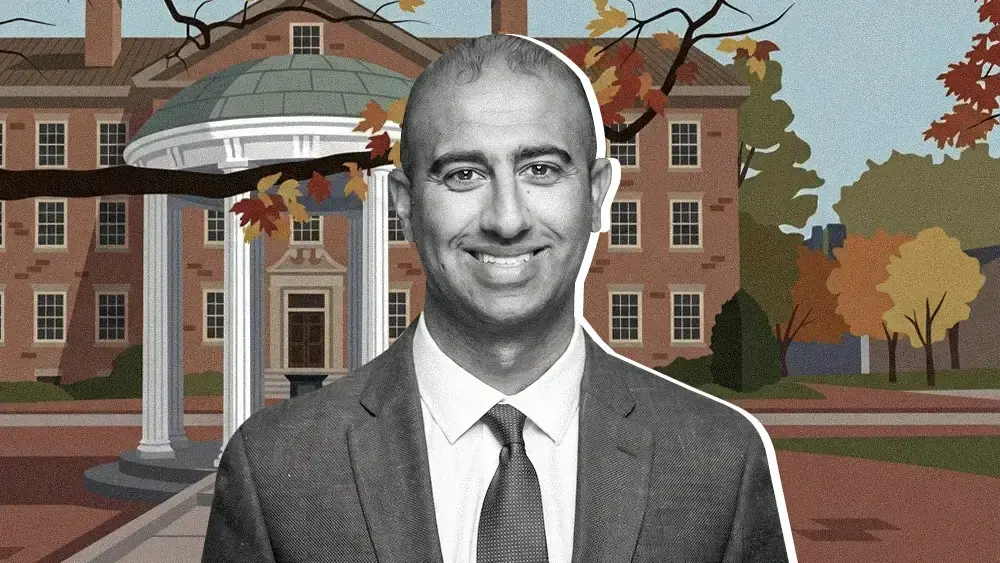

Rebecca Fox, Founder and Chief Technology Officer of Relentica and former Group CIO at NCC Group, on why technology leaders earn trust only by delivering, and why AI has raised the bar on what delivering means.

Winston Ma, Co-Founder of Dragon Global and former head of North America for China's sovereign wealth fund, on what CIOs building AI stacks can borrow from sovereign investors.

Milind Sathe, Vice President of Strategic Accounts at WinWire Technologies, on why treating agentic AI like a GenAI upgrade is a structural mistake and what CIOs must do differently.

Christoph Wargitsch, CEO of Wargitsch Transformation Engineers, on why CIOs must stop trying to control every AI activity and start governing only the elements that actually matter.

Tom Gomez, Managing Partner at Luminity Digital, on why agentic AI is forcing a structural rethink of who owns data, and why leading firms have already moved data authority closer to the CEO.

Paul Lavoie, VP of Innovation and Applied Technology at the University of New Haven, on how talent and service providers must adopt AI as the necessary orchestrator of a fractured software landscape.

Ari Harrison, VP of IT at BAMKO, explained how shadow AI became a roadmap for enterprise adoption and described a culture where employees engage with security rather than hiding from it.
Your AI agents learn from broken processes, hallway decisions, and sanitized meeting summaries. Here's how CIOs can govern what the model actually sees.

Zach Rossmiller, AVP and CIO at the University of Montana, on how structured change management and pillar-based execution transformed IT from a campus utility into a driver of enrollment growth.

Jorge Cardenas, CIO for the City of Brownsville, Texas, on why CIOs who master only one corner of the technology stack lose the ability to lead the whole.

Caroline Carruthers, Chief Executive of Carruthers and Jackson, on why new AI titles paper over the ownership gaps that only a strong CIO and CDO partnership can close.

Rob Zelinka, Technology Advisor at Leadership, Life & Legacy, on why misaligned AI messaging erodes the workforce trust that enterprise adoption depends on, and why honest intent is the only fix.

Wilf Russell, Chief Technology Officer at Livmor, on why the instinct to create new C-suite titles for AI repeats the same mistake enterprises made with data leadership.

Ryan J. Crosby, three-time CIO and Strategic Advisor at Zertain, on why owning P&L starts with mapping where revenue leaks across cross-functional workflows.