Technology Leaders Face A Higher Bar For Delivery As AI Adds Cost Before Returns
Rebecca Fox, Founder and Chief Technology Officer of Relentica and former Group CIO at NCC Group, on why technology leaders earn trust only by delivering, and why AI has raised the bar on what delivering means.

Every technology executive says they want trust, and almost none can explain how it forms or who answers for it when an automated system gets a decision wrong. In enterprise technology, trust gets built the slow way, through repeated delivery. What has changed is the difficulty of delivering anything at all. Flat growth, constant pressure to take cost out, and an AI wave that has added expense faster than returns have all raised the bar on what counts as a genuine result.
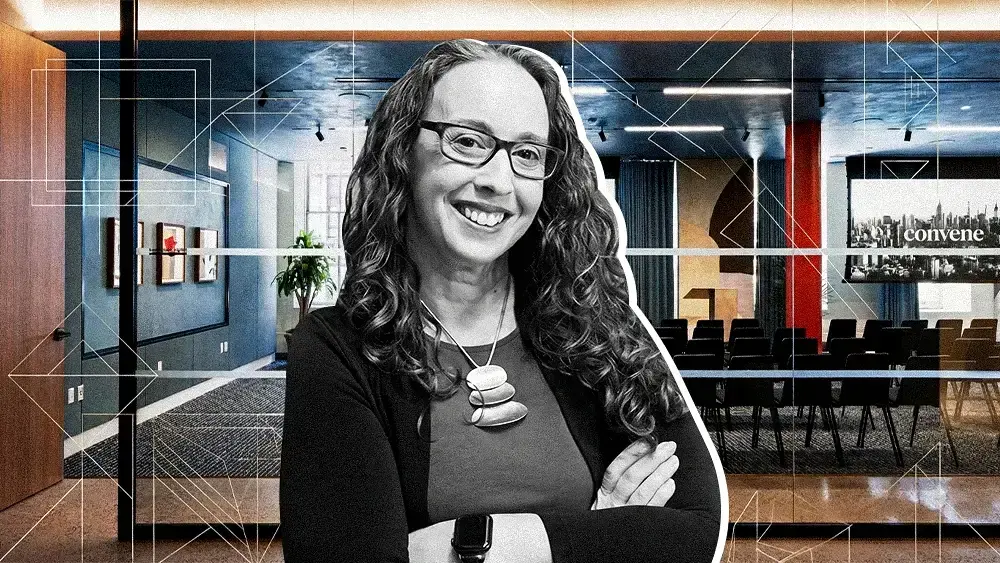
Rebecca Fox is the Founder and Chief Technology Officer of Relentica, a strategy and delivery consultancy that helps private equity investors and their portfolio companies turn technology into commercial results. She spent four years as Group CIO of NCC Group, the FTSE-250 cyber and digital assurance firm, and has led large-scale transformation programs at the UK's Ministry of Justice and elsewhere across more than two decades in technology leadership. That commercial vantage point shapes how she reads the current moment.
"Trust gets you through the boardroom when you start. After that, it comes from repeated delivery. It's always about delivery," Fox said. That conviction sits at the center of how she reads everything else: the stalled decisions, the disappointing AI returns, the arguments over governance. Each one comes back to whether technology leaders can still produce results their organizations can feel, at a time when producing them has rarely been harder.
Decisions on hold: Across the UK and Europe, Fox sees leaders sitting on major technology decisions until circumstances force their hand. "I think people are putting decisions off unless they really have to, unless there is a real burning platform, and everyone else is just trying to optimize what they've got," she said. The restraint is rational. Flat top-line growth, rising cyber and infrastructure costs, and broad economic unease have made any large commitment feel risky, so leaders postpone the decision and squeeze more from the systems already in place. She pointed to a client midway through an ERP change forced by a business-model pivot, and noted that without that pressure the same client would likely have carried on untouched rather than spend the money.
The commercial test: Fox applies a consistent filter to any technology spend, new or existing. "You're driving revenue, you're growing margin, or you're improving resilience," she said. "If you can say you're moving the needle on at least one of those, you will get a decision. If you can move it on two, even better." She's pointed about the corollary. Operational spend is still investment, and a line item that moves none of the three invites the obvious question of why it exists at all. That framing is increasingly how CIOs are asked to justify which spending earns its return, as boards lean on technology leaders to separate real value from AI marketing.
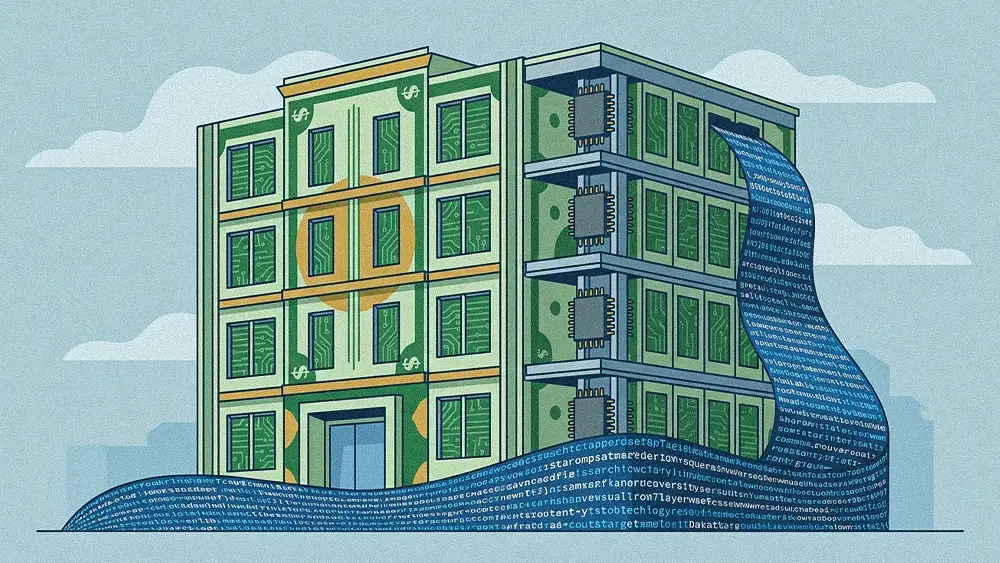
The return gap: The productivity story sold with AI, Fox argued, has largely not materialized, and for most organizations the tools have added cost rather than removed it. Everyone now pays for a copilot license or an assistant, which has squeezed margins rather than widened them. "I don't really think it's driven margin. I don't think we've seen it drive revenue either." The revenue gains, in her reading, have accrued mainly to the large AI vendors rather than to their enterprise customers, who face the same tools as their competitors and so gain little durable advantage.
Even software engineering, where the productivity case is strongest, comes with a bill. Teams may need fewer engineers, but the ones who remain burn through tokens, and the math only works if the extra output is genuinely better code. That makes the cost of running it a live question rather than a settled one.
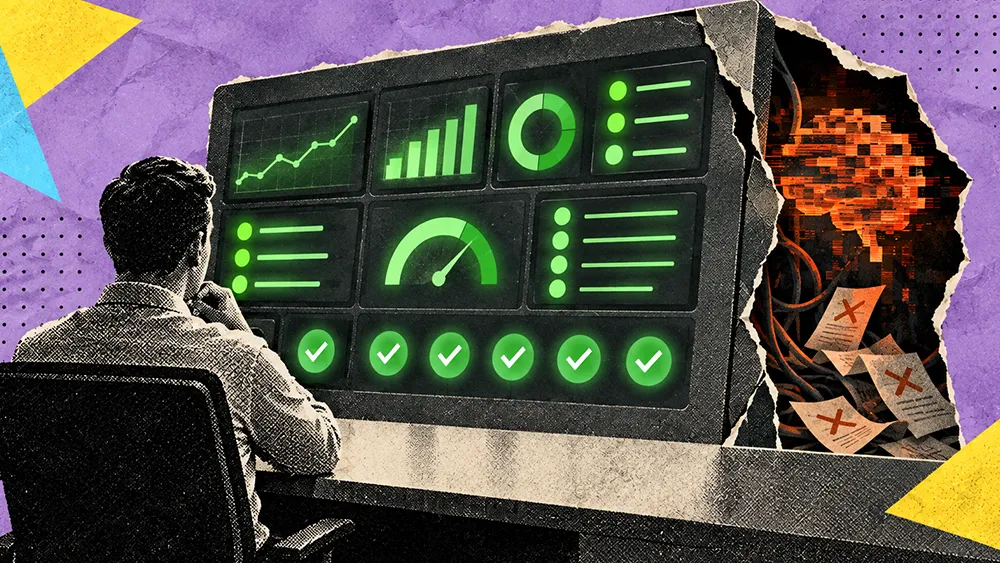
Her sharper warning is architectural. A bespoke process built on a given frontier model can break when the model underneath shifts, even slightly, undoing the testing and tuning that made it reliable. "That underlying model that we've got really no control over is going to catch a lot of people out," she said. "It's going to make things work differently to what they agreed originally." It's a failure mode with few precedents in conventional software, where code stayed put until someone changed it, and it is why she expects live AI systems to degrade after launch unless teams fund the upkeep to catch it.
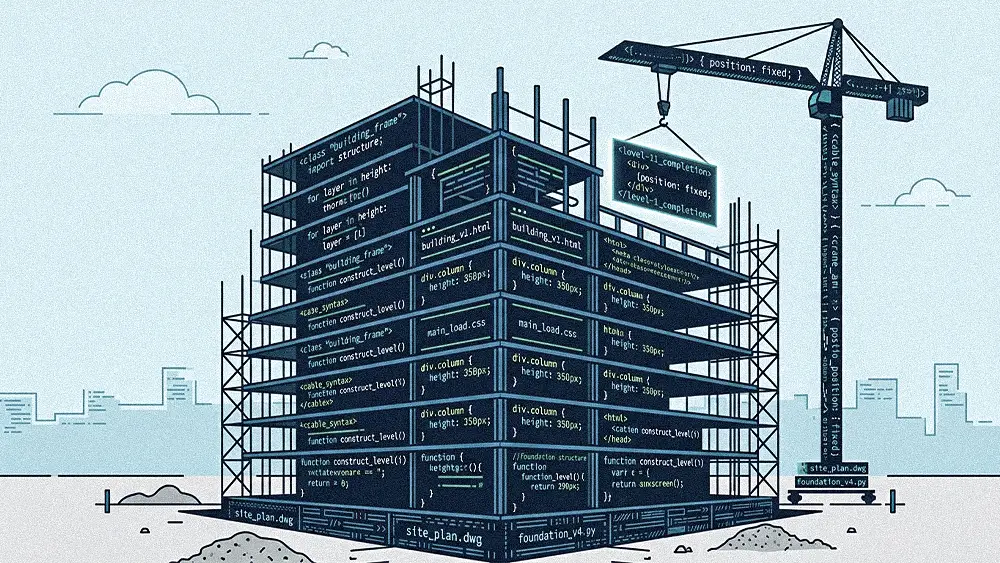
Fox's critique points somewhere constructive. The technology has arrived faster than the operating habits needed to govern it, and the gap surfaces as new debt accumulating beneath the systems teams rush to ship. Left unmanaged, that accumulation becomes the next cleanup project that eats years of capacity. What closes the gap, in her view, has less to do with restraint at the tool level and more to do with who gets to use the tools, and how well they're equipped to.
Enable the questions: But locking AI down is not the answer. Blocking access to assistants or coding tools, she argued, mostly stops capable people from doing better work. "I don't think it's the CIO's job to stop people working," she said. "Right now with AI, they need to be the enablers, giving people the tools, plugged into as much data as they can safely, and making sure they're trained." As she frames it, the CIO's role is to make it safe for people across the business to ask their own questions of the data, with the right guardrails and a deliberately higher risk tolerance than IT has historically allowed, rather than to write those questions from the center. Training is the piece she sees skipped most often. Rolling out a powerful tool without teaching people how to use it produces the same dead end as any platform nobody can log into on day one.
Where accountability lands: As more day-to-day decisions get made by software, Fox expects the harder question to be ownership rather than mechanics. Newer platforms increasingly log their own reasoning, recording why a given call was made and who approved it, which is a genuine shift from the bolt-on audit tools of the past. What that transparency doesn't resolve is who carries the outcome. She reached for the self-driving car: when one crashes, the fault could sit with the manufacturer, the software team, the owner, or the driver, and the lines blur fast. "It just becomes so opaque in terms of who actually is accountable," she said. "But ultimately it's got to sit with the person." Attach a named owner to each automated decision path, and keep a clear record of who signed off on it, so that speed at machine scale never outruns responsibility.
The delivery test: Trust in a technology leader runs on a short leash, Fox said. A credible plan buys goodwill once, maybe twice; after that, only shipped work sustains it. "It's about repeated delivery," she said. "The point you stop delivering, or the point you can't deliver, the trust goes straight away, no matter how much you've done." She set a technology version of Maslow's hierarchy underneath the point: can people use their systems every day, is the data where it should be, is the AI support actually landing. Those basics accumulate into credibility, and their absence erodes it just as steadily. She tied the difficulty to tenure as well, noting that senior technology leaders, CISOs especially, often aren't in post long enough to build what repeated delivery requires.
The hopeful note in Fox's account is that AI rewards something technology organizations have always struggled to force: getting people who never talk to each other into the same problem. She sees this as part of the modern CIO's remit, deliberately mixing teams that used to run in isolation.
"Something happens with AI that's never happened with any other system," she said. "The head of technology's responsibility is bringing people together, that cross-pollination. Unlike other applications, where the people in the warehouse worked one way and finance worked another, with AI that cross-pollination matters more than ever, because people aren't in silos anymore."

If this caught your attention, that’s not accidental.

The best editorial systems don’t happen by accident. Outlever builds them.