CHG's Melanie Colton On Working At The Intersection Of Product And Technology
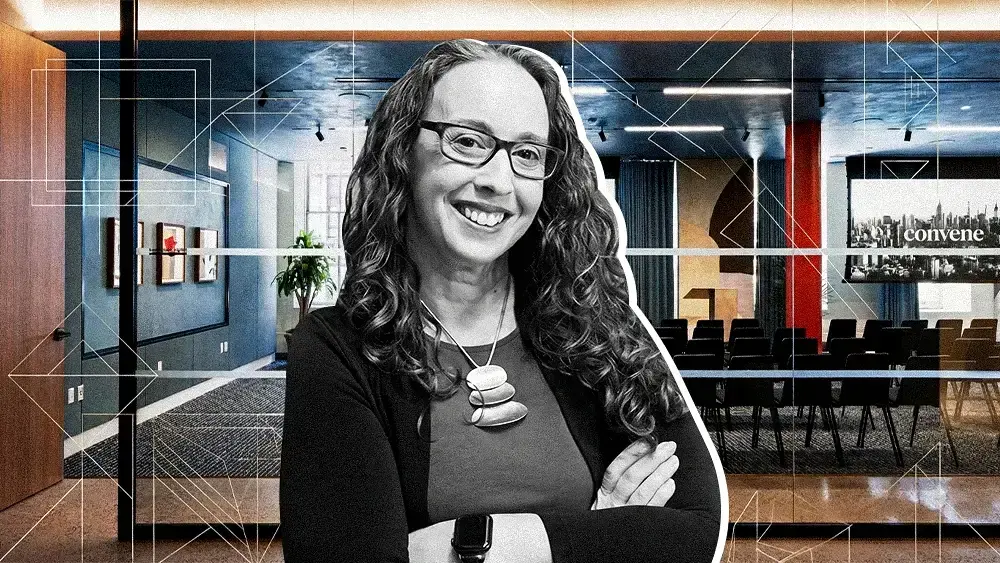
“A lot of what you are doing is positioning, explaining, and getting folks to understand things the way they need to through storytelling and building narratives.”

Technology chiefs are increasingly taking on another title: product leaders. But for Convene Hospitality Group’s Melanie Colton, the two have never been separate.
AI is rapidly changing how new innovations are shipped, and organizations are redesigning themselves to adapt. In the past, projects involved repeated handoffs between engineering and business teams. This led to slower release cycles and eroded trust between the two sides of the organization. Now, AI can simplify the process of bringing new features and capabilities to life. As a result, more enterprises are eliminating organizational gaps between developers and subject-matter experts.
But for Melanie, the newly-minted Chief Product and Technology Officer at CHG, it’s business as usual. Throughout her decades-long career at companies like Equinox and Hearst, Melanie was expected to keep customers at the forefront of product development: “I was always so embedded with the business,” she told CIOnews.
As the former Chief Technology Officer for news outlet Axios, for example, she would attend weekly editorial meetings and partner with reporters to launch new digital initiatives. Even in the early 2000s, when Melanie started her career at Condé Nast, she did everything from building a keyword-targeting tool to going on calls to help sell digital advertising.
This approach is becoming standard. For most technology teams, engagement with end users is table stakes. Now, the challenge is quickly, safely, and efficiently moving from idea to execution—especially as AI helps enterprises design, build, and scale their own custom applications. Future market leaders are likely to rely on a blend of homegrown solutions and off-the-shelf products, amping up the need for engineers to have a firm grasp of user pain points and market opportunities. They need to understand not just how to build something, but whether it solves a meaningful business problem.
“The job is to see the signal from the noise,” she said. “A lot of what you are doing is positioning, explaining, and getting folks to understand things the way they need to through storytelling and building narratives.”
That’s shifting the demands on individual contributors. According to Melanie, engineers now need a wide range of skill sets to support the full development process, from ideation to release: “You’re seeing more combined roles, and it allows you to have smaller, more impactful teams,” she said.
From method to breakthrough
Much of the use of AI in the hospitality industry today is “more a method than it is a breakthrough,” according to Melanie. While user interfaces may be changing, for example, back-end processes and systems still run the same. Brands have to think beyond status quo capabilities, like supporting agentic commerce.
For example, CHG is working to embed AI in ways that streamline the experience for customers without alienating the human touch so many of them seek out in premium brands. This ranges from capabilities like dynamic pricing to real-time intervention and personalized marketing.
“A lot more can be done,” she added. “Our ability to close and deliver for the client is going to be game-changing.”
Helping business counterparts meet the demands of customers with high expectations starts with making sure the data is available. Whether it’s the sales team building more personalized proposals or proactively alerting clients to upcoming maintenance in their buildings, the first step is accurate information delivered in real-time.
“We have to have killer data,” Melanie said. “It’s the foundation for everything. We’re not limited by the tech stack; we’re limited by the data.”
But at companies like CHG, technology adoption can’t come at the expense of reputation. Simplifying or upleveling the experience for users isn’t enough. For Melanie, “everything you touch has to feel like that’s the brand.” Users and technologists working side by side helps companies establish core development guidelines and keep brand identity at the heart of every innovation effort.
It’s another example of the inescapable tie between technology and product—and the need for leaders to operate with greater empathy: “A lot of what we do is enabling the company to operate and do its best work,” she said. “No one can do their job unless you are doing yours well, so you need to understand their needs and pain points.”

If this caught your attention, that’s not accidental.

The best editorial systems don’t happen by accident. Outlever builds them.