
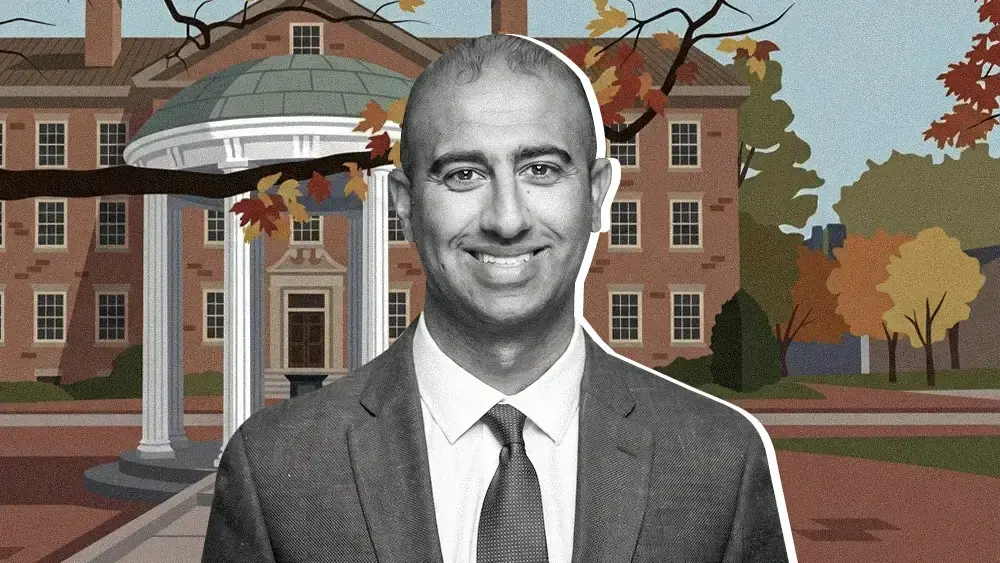
“Governance should not stand in the way of adoption if it's carefully thought through ... It’s what makes adoption sustainable and scalable. Governance is the foundation for adoption and the driver for people’s trust.”
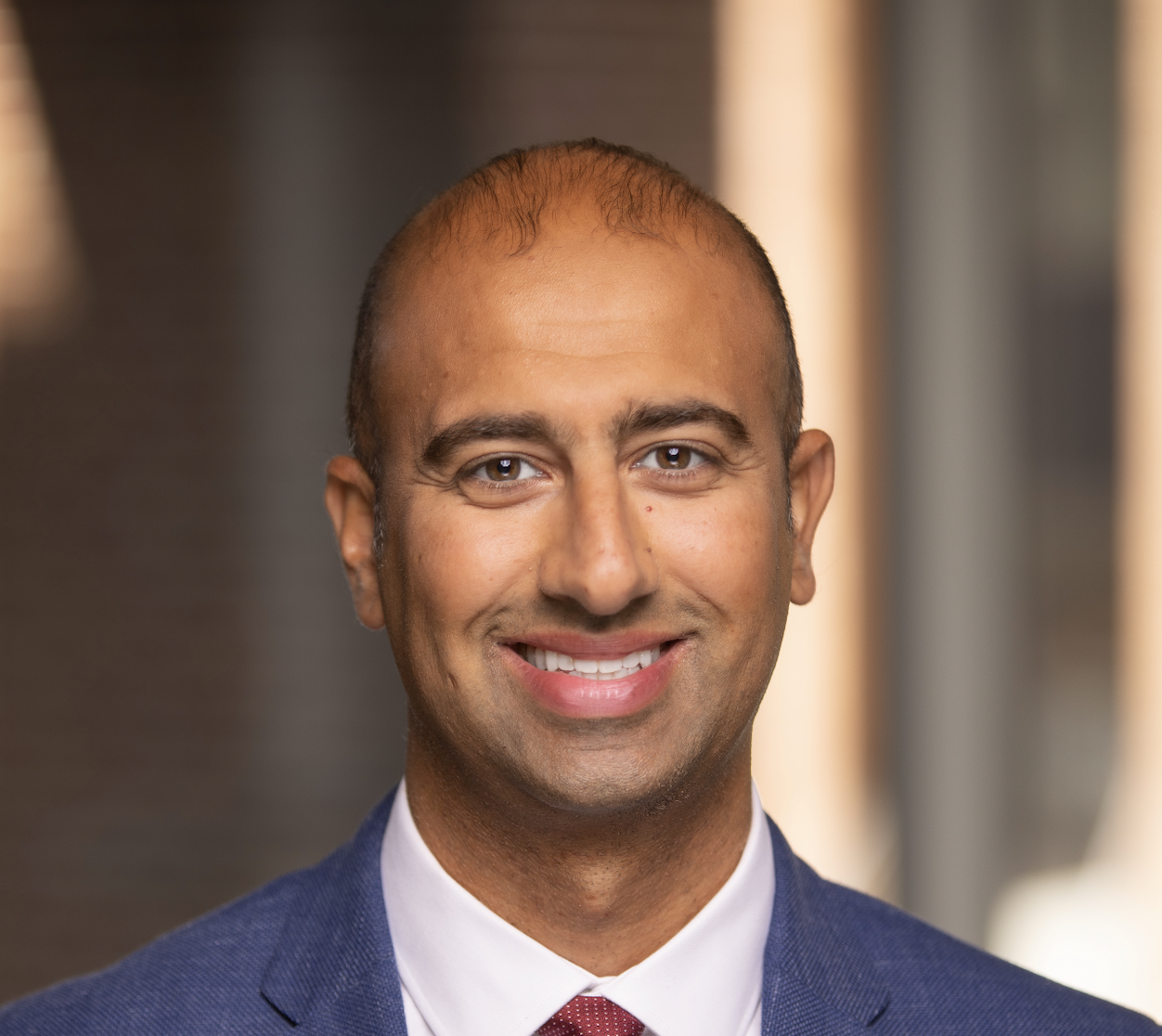
Higher education is emerging as a critical proving ground for how AI can be adopted responsibly. And institutions like the University of North Carolina at Chapel Hill are demonstrating that strong governance doesn’t have to stand in the way of rapid progress.
University leaders must navigate a broad spectrum of security, privacy, and compliance needs across students, faculty, researchers, state agencies, and local communities. But it’s a delicate balance. Over-regulating a nascent technology carries its own risks: moving too slowly to adapt systems, curriculum, and operations.
“Governance should not stand in the way of adoption if it's carefully thought through,” UNC Chief AI Officer Saif Khairat told CIOnews. “It’s what makes adoption sustainable and scalable. Governance is the foundation for adoption and the driver for people’s trust.”
UNC relies on a risk-based approach focused on four key fundamentals: privacy, accountability, ethics, and human judgment. High-stakes scenarios — such as those involving sensitive data or protecting academic integrity — receive rigorous oversight, while individual disciplines have autonomy to experiment within safe boundaries.
“Every discipline is going to be different in how it perceives and uses AI, so that breadth makes us stronger,” said Saif.
This risk-based approach extends to the infrastructure powering these AI use cases. According to Saif, selection is based on the end application rather than a default preference for open or closed-source models. Factors like the data involved and available safeguards influence which LLM to build on.
“Each has its own trade-offs around transparency, performance, cost, and even data stewardship,” he added. “We want to offer as much access to resources and tools as possible, allowing individuals to make the call and see what fits their needs.”
From Campus To Community
For Saif, access is key to ensuring AI’s benefits are broadly distributed.
A former software engineer, Saif came to UNC after helping countries and international organizations strategize around the use of AI, particularly in healthcare settings. That work highlighted AI’s potential to cause economic and societal instability if mismanaged. It also reinforced for Saif that trust must be central to successful AI adoption — a mindset that now guides his work at UNC.
“I had been unintentionally preparing for this. Although it wasn't in my definitive plan, it was the experiences I collected along the way that positioned me for this chapter,” he said.
For example, UNC launched the Digital Health Index, an AI-powered tool that helps identify communities at risk of losing access to healthcare and other critical resources by measuring gaps in their digital health infrastructure. Led by Saif and his team, the initiative highlights the unique role universities play in rolling out this technology.
“Universities mirror societies and bring every perspective to a given problem, which is both an advantage and a challenge,” he said. “We have to be thinking about the appropriate ways to integrate that tool within the different contexts of different stakeholders. It’s not one size fits all.”
Hand-In-Hand
At UNC, AI is also rapidly reshaping educational pathways. This year, the university launched the School of Data and Information Sciences, which connects data and AI to health, education, public policy, research, and other fields.
“Data and AI are not separate. They go hand-in-hand in every field,” Saif said.
Use cases like UNC’s AI-powered imagery tool that can assess storm-damaged neighborhoods to better direct recovery resources serve as examples of the unique opportunity universities have to bring together different disciplines, perspectives, and communities to test what responsible AI use looks like in practice.
“Our goal is not to chase technology, but to serve the communities that we are a part of,” Saif said. “We need people who can work with these technologies thoughtfully and responsibly, and help shape how these tools will be integrated in the future.”
When institutions like UNC create the conditions for people across disciplines to use AI thoughtfully and safely, they’re not just preparing for the future, but helping define it.

If this caught your attention, that’s not accidental.

The best editorial systems don’t happen by accident. Outlever builds them.