



Leadership
Strategy, Digital Transformation & Executive Insights for IT Leaders

M&A success is decided in post-close execution. In this exclusive preview of his upcoming book Make IT Work: An IT Playbook for Mergers and Acquisitions, CIO Jason James covers repeatable playbooks, quick wins, and handling outages and human crises.

Bindu Chanagala, Vice President of Performance Insights at CommonSpirit Health, on why AI in healthcare moves only as fast as the governance around the data and the clinicians who act on it allow.
Rebecca Fox, Founder and Chief Technology Officer of Relentica and former Group CIO at NCC Group, on why technology leaders earn trust only by delivering, and why AI has raised the bar on what delivering means.

Winston Ma, Co-Founder of Dragon Global and former head of North America for China's sovereign wealth fund, on what CIOs building AI stacks can borrow from sovereign investors.
Eli Potter argues enterprise AI needs its own checks and balances, borrowing separation of powers, red-teaming, and federalism from the U.S. Constitution.
AI can do the work. The harder question for CIOs in 2026 is whether it can do it economically. Todd Mazza on token costs, AI FinOps, and the case for a "token P&L."

Talking to the CFO about AI takes two answers, not one. Motti Finkelstein on separating AI value from cost, and the vocabulary that keeps programs funded.

Jeff Brzycki, former CIO at Autodesk and VeriSign, on why the integration and control layer that IT has long owned by default is becoming the strategic foundation of the agentic enterprise.

Christoph Wargitsch, CEO of Wargitsch Transformation Engineers, on why the boundaries between business and IT exist on paper but collapse in practice.
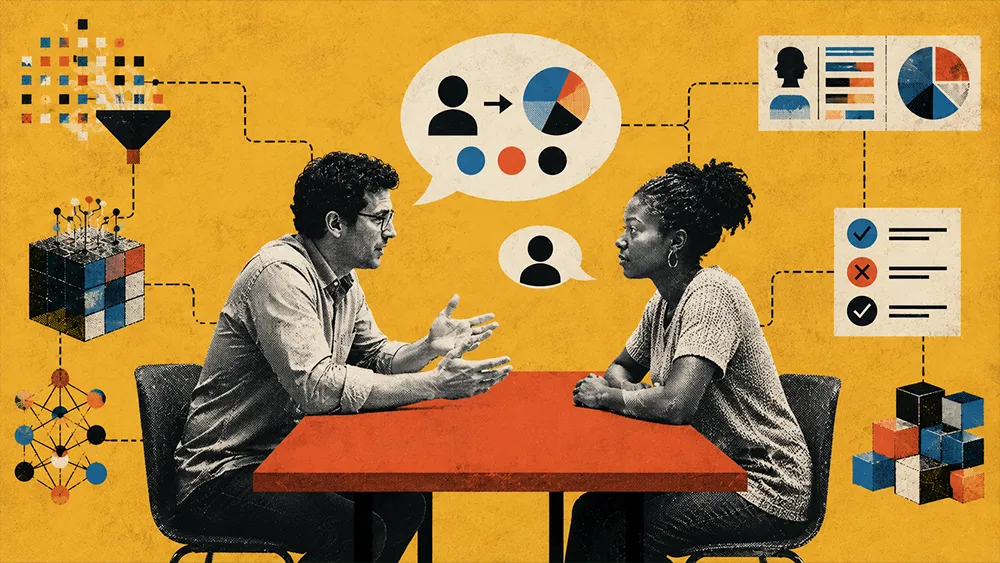
Caroline Carruthers, Chief Executive of Carruthers and Jackson, on why AI governance only works when it changes what people actually do, not what they say.
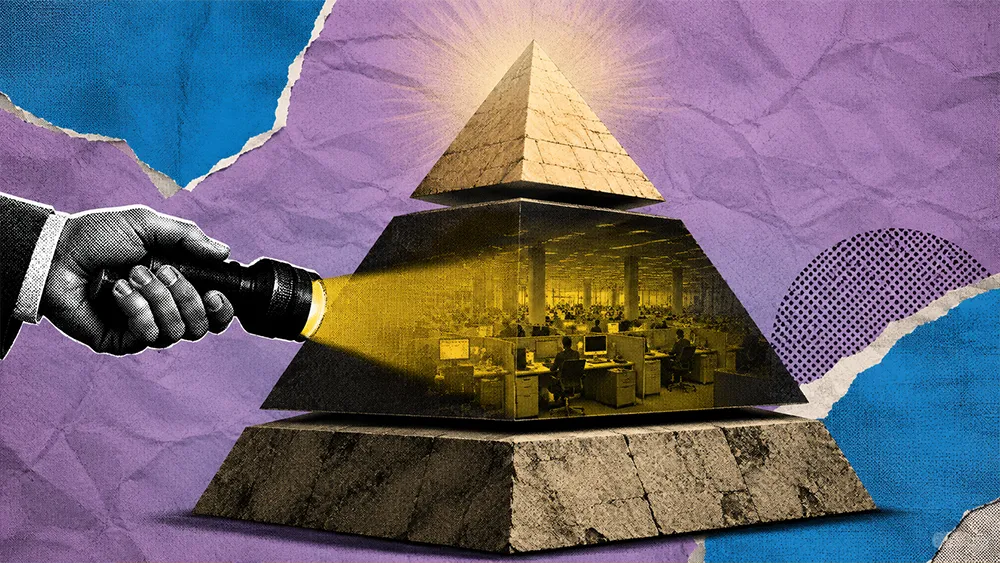
Eli Potter, VC/PE Executive Advisor and CIO, on why culture and accountability are hard systems inputs to AI transformation, not soft leadership considerations.

Alex Sasnouskikh, Tech Lead at Picnic Technologies, on why decision ownership is replacing implementation skill as engineering's core signal.

Humans are part of the AI supply chain—our prompts, labels, and approvals shape how models behave. Learn the 5 layers where human behavior determines whether AI becomes reliable infrastructure.

Nizar Zeidan, Chief of IT Site and Emergency Support at UNHCR, on why extreme field conditions are the only true test of infrastructure resilience.

Tim Bolam, VP of Project Delivery at DHL Supply Chain, on how integration is moving to the operating layer, and why most customers still underestimate how many interfaces they actually need.

Ann Dunkin, former CIO of the U.S. DOE and EPA, on why the shift from code execution to AI orchestration demands that CIOs rethink the bar for entry-level technical talent.