For The Modern CIO, Solid Infrastructure And Iterative Communication Come Before The AI Use Case
Veteran technology executive CIO Michael Spires on the evolving role of CIO as translator and orchestrator, aligning people, processes, and technology around shared business outcomes.


The stereotype of the CIO as the person who runs the servers and approves the software budget has been obsolete for years, but the role that replaces it is still poorly understood. The modern CIO is a translator and an orchestrator, the person who sits between the business and the technology aligning people, processes, and systems around a shared outcome. Technology is the easy part. Getting the human systems around it to move together is the work.
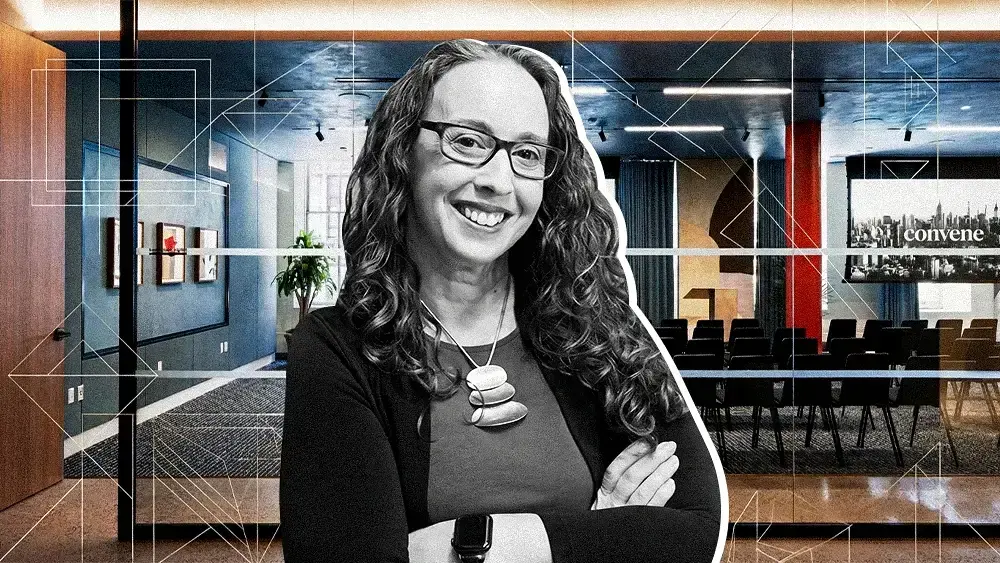
Michael Spires has experienced the role's evolution firsthand. He has nearly 30 years of expertise in technology and transformation leadership, including senior roles at The Hackett Group, Cognizant, Booz Allen Hamilton, and KPMG. His consulting background across dozens of Fortune 500 transformations shapes a view of the CIO role that centers on people and business outcomes rather than technology for its own sake.
"The CIO needs to be an equal voice at the table, understand the business, and help shape the outcome, not necessarily deciding the 'what', but influencing the 'how,'" he said. The framing of CIO as an influence on how the business achieves its goals defines the orchestrator model Spires is seeing come to the forefront.
Translator-in-chief: The central skill Spires describes as crucial for a CIO today is translation. The role sits between groups that don't understand each other, and the CIO's role is to make those vantage points legible to each other. "A big part of the job is translation. The business says what it wants in business terms. The technical team hears it in technical terms. Those aren't always the same thing," he explained.
Outcomes precede technology design: That translation work is why Spires argues the CIO has to genuinely understand the business, not just the technology. A CIO who only speaks technology can build systems that work perfectly, but solve the wrong problem. The value comes from understanding the business outcome well enough to shape how technology serves it. "My job is to make sure what gets built is actually what the business needed, not what got lost in translation," he said.
Beyond translating, the CIO has to get cross-functional teams moving in the same direction, which is harder than it sounds because different functions are measured on different things and optimize accordingly. Spires frames alignment as an iterative process rather than a one-time agreement. Teams don't align once and stay aligned. They drift as circumstances change, which means the CIO has to keep returning to the shared outcome and re-anchoring everyone to it. "It's constant communication, constant checking in, making sure everyone still understands what we're trying to accomplish and why," Spires shared.
The communication has to be iterative for the same reason. Understanding builds through repetition, through hearing the same message in different contexts until it becomes shared understanding rather than a memo someone acknowledged and forgot. When this doesn't happen, projects start to go wrong.
Hybrid work made the equity problem visible: The shift to hybrid work sharpened a CIO-level challenge that was always present, but easier to ignore when everyone shared an office: different employees experience the organization very differently depending on their role, location, and access to technology. Technology decisions that improve life for the remote knowledge worker do not automatically reach the person working in a freezer or on a job site. "You've got people who can work from home two days a week and people who physically cannot, because the job is in a warehouse. If all your technology investment goes toward making the remote experience better, you've just told a big part of your workforce that their experience matters less." In his view, the equity concern is a practical issue, because a workforce that feels divided by technology are harder to align around shared outcomes.
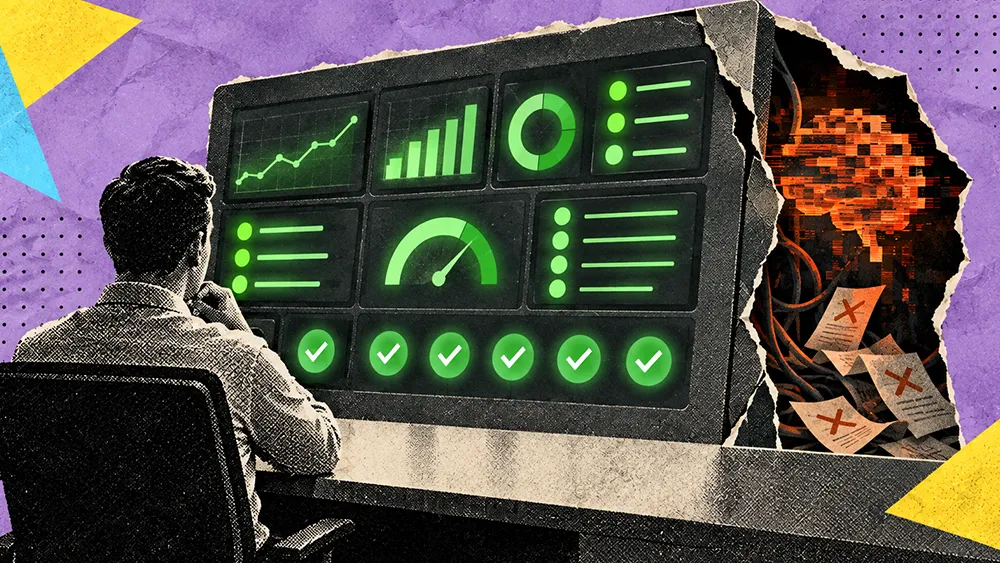
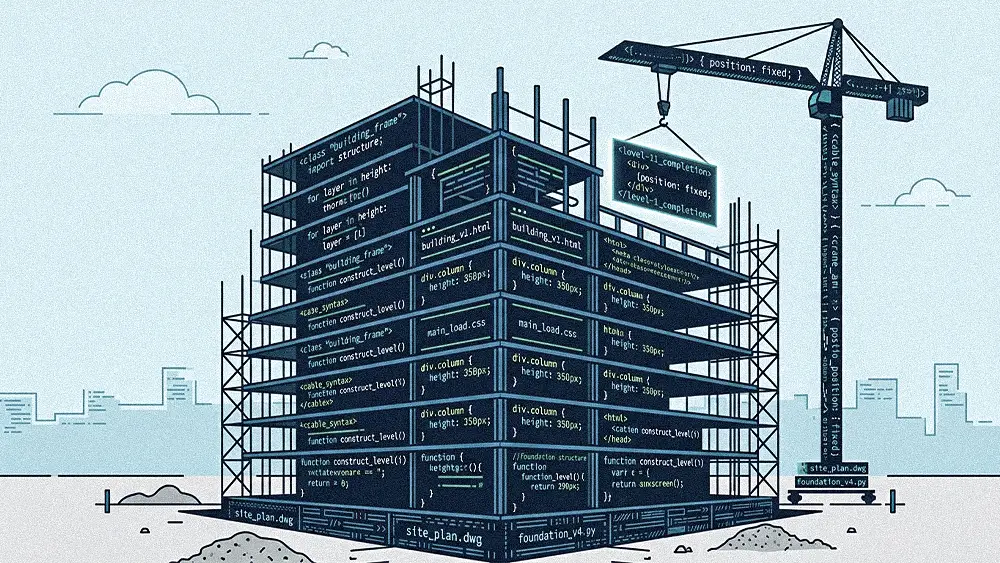
On AI specifically, Spires is measured. The excitement around the technology often outruns the organizational readiness to use it well, and he cautions that foundational infrastructure has to be in place before the more ambitious applications can deliver value. "Everybody wants to jump to the AI use case. But if your data is a mess, if your foundational systems aren't solid, you're building on sand. The unglamorous work of getting the infrastructure right is what makes the exciting stuff possible later," he said. The same iterative discipline that applies to alignment applies to technology adoption. Spires favors starting with solid foundations, communicating continuously, and building understanding across functions before layering on new capabilities.
His ultimate assertion is that transformation is ultimately a human achievement enabled by technology. The CIO who understands that, and who treats translation, alignment, and equity as the core of the job rather than as soft skills layered on top of the technical work, is the one positioned to make transformation succeed. The technology will keep changing. The human systems that determine whether the technology delivers are the constant, and orchestrating them is the enduring work of the role.

If this caught your attention, that’s not accidental.

The best editorial systems don’t happen by accident. Outlever builds them.