



Leadership
Strategy, Digital Transformation & Executive Insights for IT Leaders

M&A success is decided in post-close execution. In this exclusive preview of his upcoming book Make IT Work: An IT Playbook for Mergers and Acquisitions, CIO Jason James covers repeatable playbooks, quick wins, and handling outages and human crises.

Bindu Chanagala, Vice President of Performance Insights at CommonSpirit Health, on why AI in healthcare moves only as fast as the governance around the data and the clinicians who act on it allow.
Rebecca Fox, Founder and Chief Technology Officer of Relentica and former Group CIO at NCC Group, on why technology leaders earn trust only by delivering, and why AI has raised the bar on what delivering means.

Winston Ma, Co-Founder of Dragon Global and former head of North America for China's sovereign wealth fund, on what CIOs building AI stacks can borrow from sovereign investors.
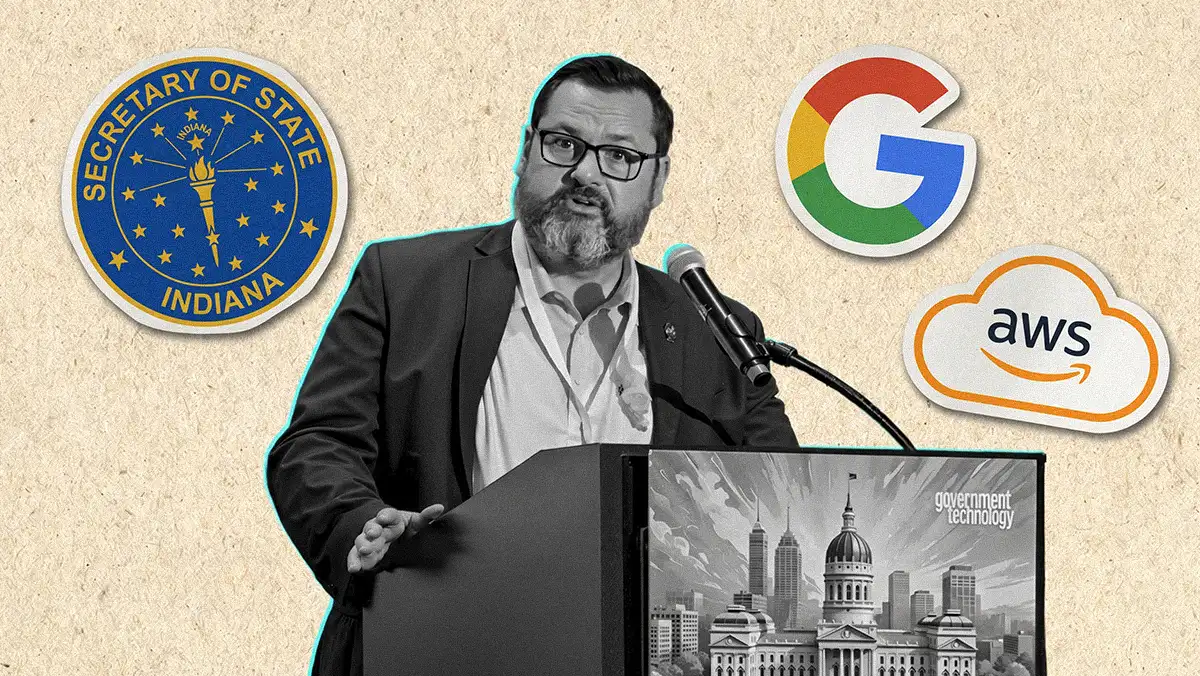
Robert Fulk, CIO for the Indiana Secretary of State, on how governed orchestration as the operating layer converts fragmented government AI experiments into production systems.
Brandeis University CIO, Jim La Creta on how decades of cultural habits undermine data governance even when the right systems are already in place.

Mir Ali, Head of Enterprise Data & AI Platforms at The Hershey Company, on why the gap between AI strategy and delivery comes down to execution discipline, not technology.

More CIOs are reporting to the CEO, managing larger budgets, and gaining more authority to rework operations around data and AI. The challenge? Not squandering the opportunity.

Jonathan Fozard, CIO at Florida State University, outlined how structured governance and shared language turn AI into coordinated campus-wide progress.

Julia Sears, CDTO at Altus Power, on how replacing AI mandates with peer-led experimentation and practitioner-driven proof build organic adoption across the organization.
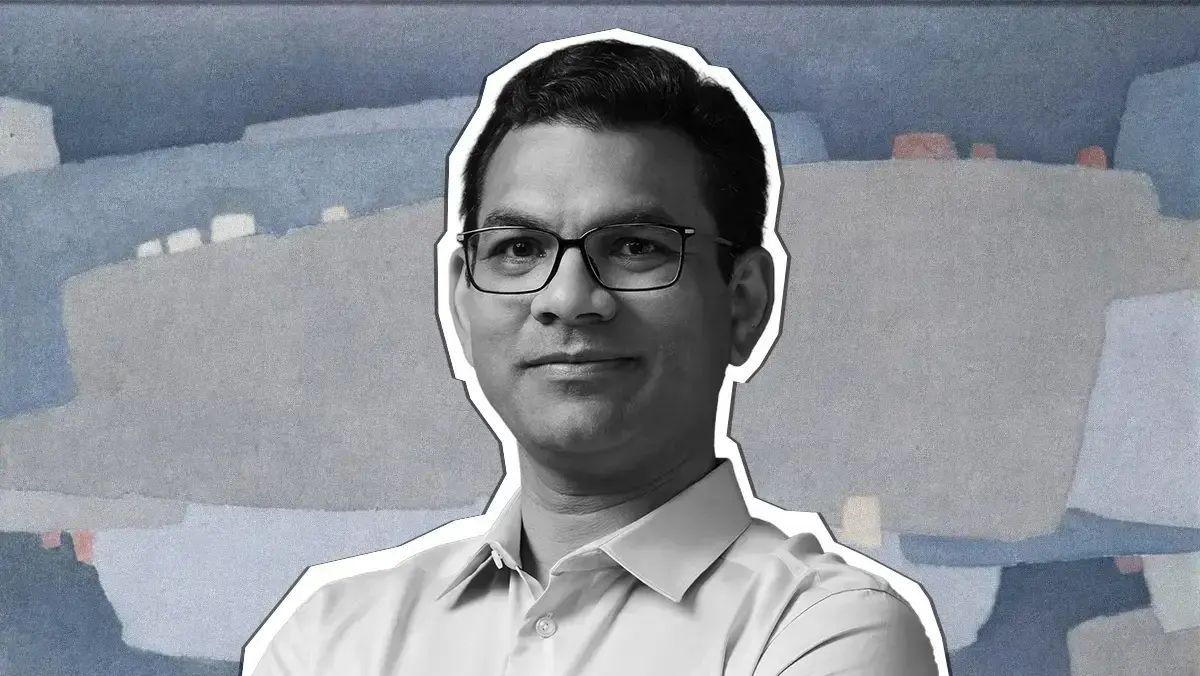

Dr. Ken Knapton, CIO at WIN Brands, on how structured friction, tech debt triage, and a 22-minute neuroscience rule shape his approach to conflict management.
Dr. Ken Knapton, CIO at WIN Brands, on how structured friction, tech debt triage, and a 22-minute neuroscience rule shape his approach to conflict management.

Vince Fattore, CIO of RoadSafe Traffic Systems, on succeeding with AI through talent development and redesigned operations.
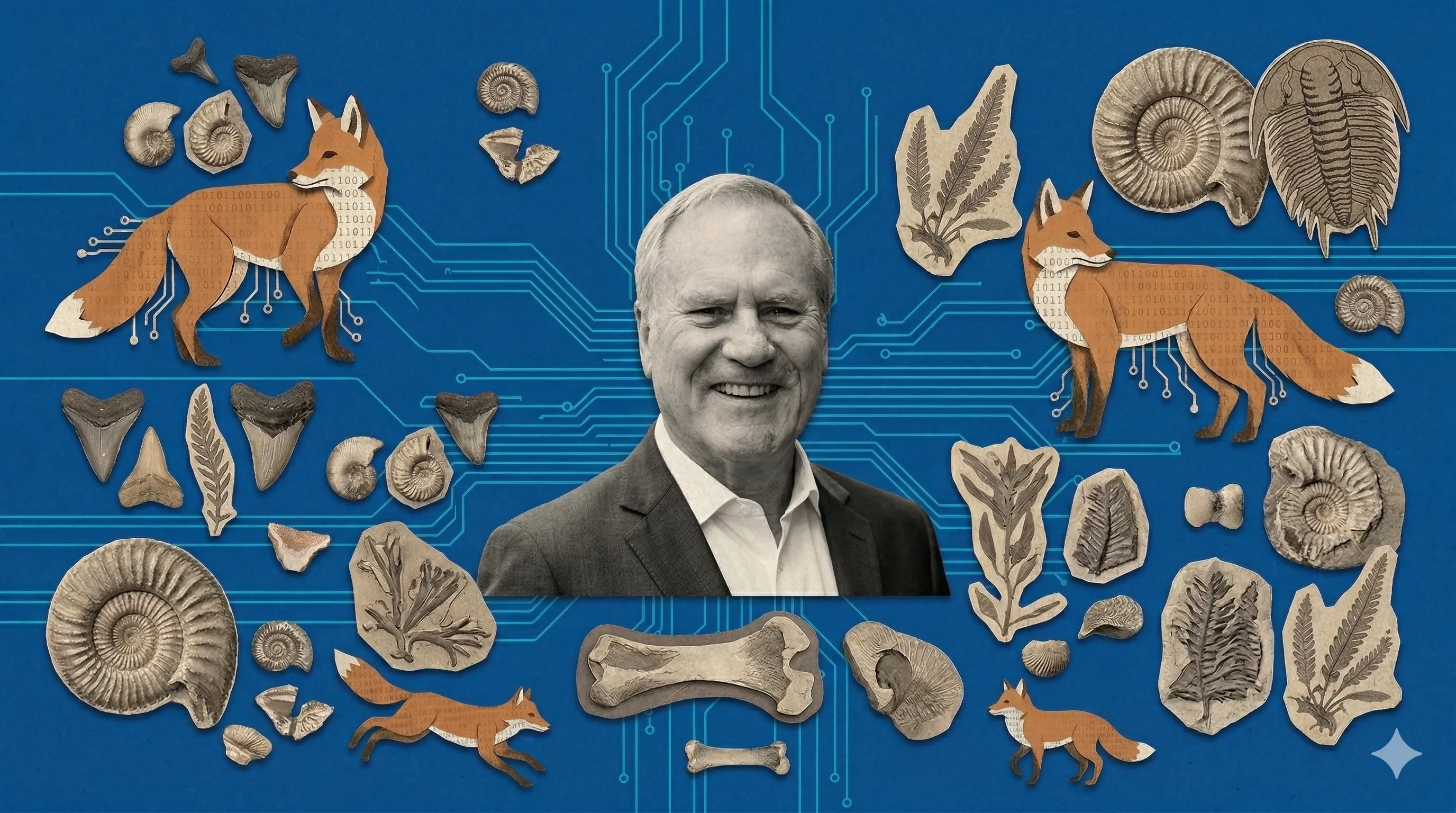
There's no standard pipeline for developing CIOs. Stuart Evans explains why seasoned leaders and AI-native technologists need each other, and what CIO development should look like moving forward.
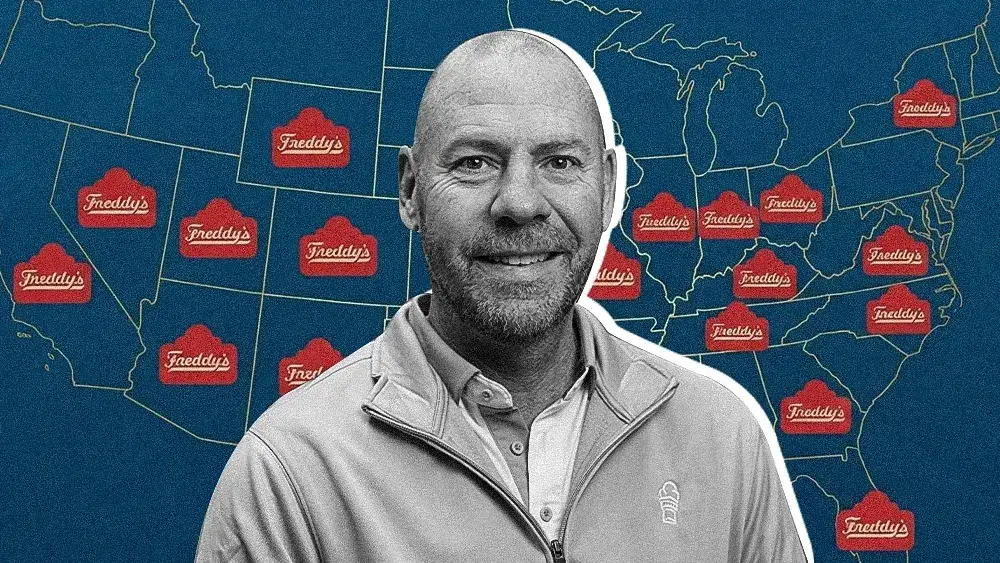
In an interview with CIO News, Todd Paladini discussed the role of data and AI in the restaurant industry, the importance of platforms, and why technology leaders need to get out of the "IT box".