Boards no longer choose CIOs for technical depth alone; they expect leaders who tie every technology decision to business value, communicate a clear vision, negotiate priorities, and show measurable impact.
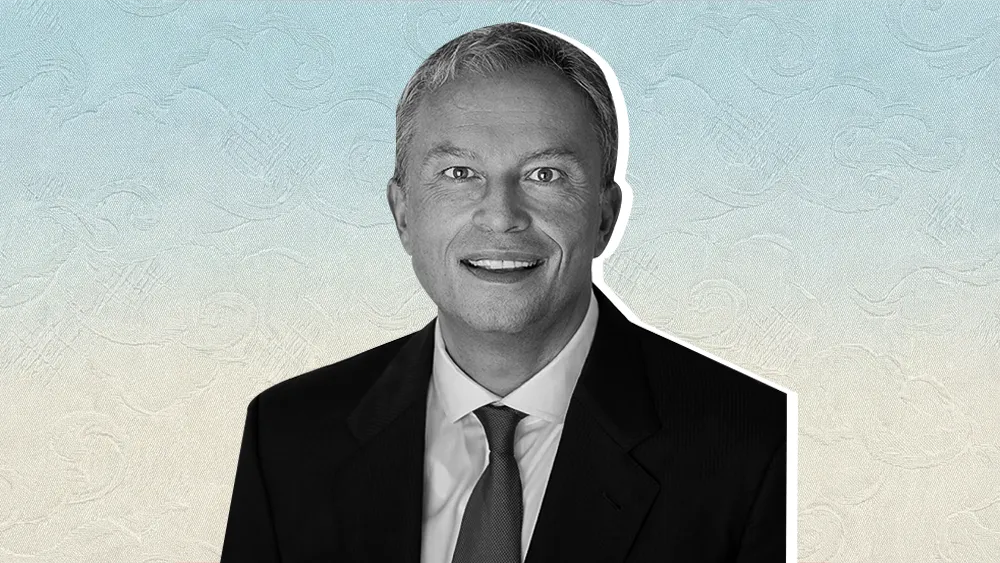
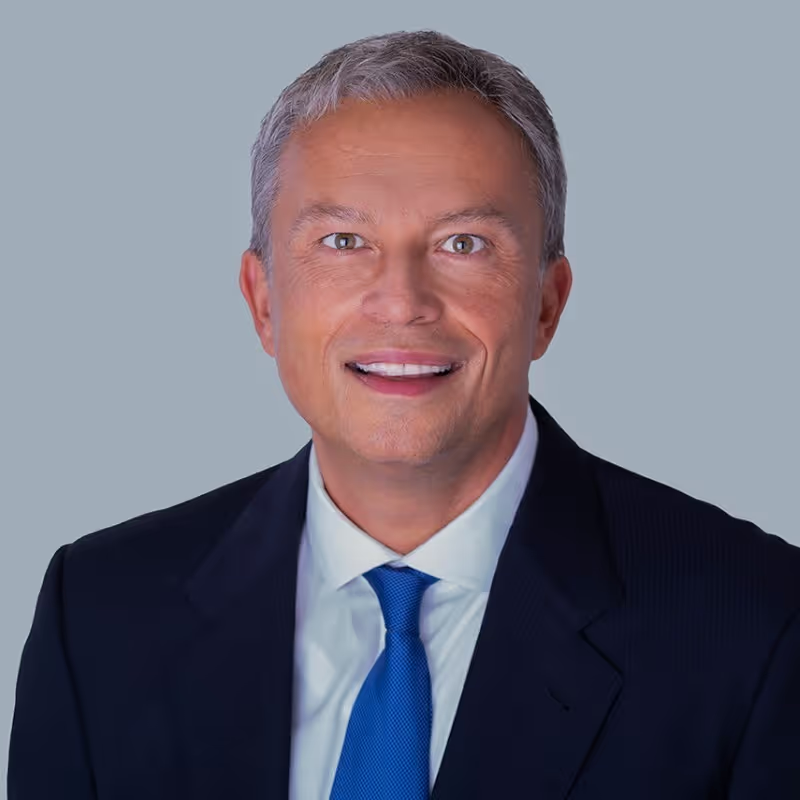
Manfred Boudreaux-Dehmer, former CIO at NATO and Single Point of Authority for cybersecurity, explained that the modern CIO is evaluated as a business leader who “sells” credibility, strategy, and outcomes across the executive team.
Success now depends on strategic alignment, constant communication, disciplined prioritization, and human-centered succession planning that protects continuity, trust, and long-term organizational value.
How technology leaders are chosen for the top job is undergoing a fundamental shift. The old model, which prized deep technical knowledge or a flawless operational record, has given way to one driven by business outcomes, strategic communication, and the ability to sell a vision. For Chief Information Officers in particular, the role has become less systems manager, more organizational salesperson.
Manfred Boudreaux-Dehmer recently completed his tenure as NATO's inaugural Chief Information Officer, where he also served as the Single Point of Authority for cybersecurity. Before NATO, he spent 11 years as Vice President of IT and Systems at Sierra Wireless, leading technology transformation across a publicly traded company through eleven acquisitions. With a Doctorate in Business Administration from the University of Reading and an MBA from Duke University, he has spent decades leading transformation at scale. He explained that how technology leaders are evaluated has changed as much as the role itself.
"The CIO job has become more and more of a sales job," he said. "What we're selling is the value of the organization, and we're selling it every day with credibility, communication, and results." As the role of the modern CIO has evolved, success is now defined by a deeper contribution that connects every initiative directly to the company's value proposition.
The shift is not just philosophical. As boards and executive teams increasingly evaluate technology leaders on business contribution rather than operational track record, the criteria for who gets the top job have changed with it. Boudreaux-Dehmer contrasted the old playbook with the new benchmark.
The new benchmark: "Five or ten years ago, my successor would have been someone with extensive enterprise architecture knowledge who had run successful projects on time and on budget. Those traditional skills are still important, but there is so much more that needs to be done now," Boudreaux-Dehmer said. The real questions have shifted toward business outcomes: “How does IT contribute to the value proposition of the business? How do we enable new business models? How do we use data to help the company reach new shores?”
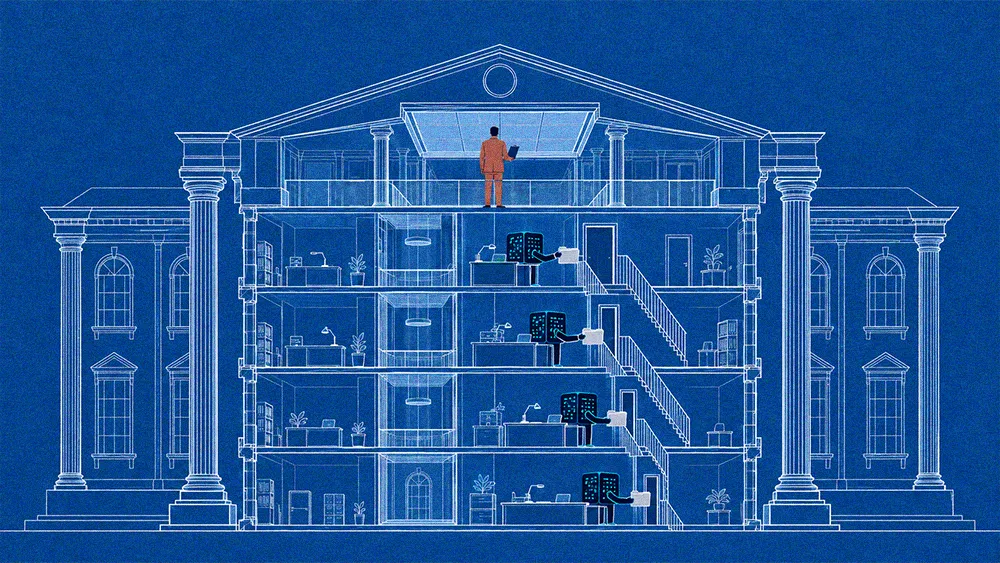
The emphasis on business outcomes demands a different kind of leader. The CIO's focus moves toward business impact and orchestration, requiring fluency in leadership and communication over technical depth. A campaign of strategic alignment and storytelling to rally the organization has become the new standard for the role.
Credibility and communication: "What we're also selling every day is really ourselves, with credibility, with doing what we say, with actively contributing to the success of the business." The daily act of selling credibility depends on constant visibility across the organization: "What's really important is the connection across the senior leadership team to commonly develop a strategy, and then to obsessively communicate that vision to everyone it touches. It requires constant communication across different channels, whether it's written, spoken, video, or in small group meetings," Boudreaux-Dehmer said.
Negotiation and foresight: Strategic communication must be paired with pragmatism and a forward-looking perspective. "Negotiation becomes more important because you simply cannot do everything for everyone. You have limited resources, so you must set priorities and boundaries, and that requires the ability to negotiate effectively," he explained. Anticipating future value is equally critical: "A leader almost needs a sixth sense to anticipate what new value technology can enable. You have to be able to play the game forward and see how you can harness that value for the organization," he added.
Beneath the strategy and communication sits something more durable. For Boudreaux-Dehmer, the real measure of leadership success is what remains after the leader has gone. This demands strategic succession planning rooted in a human-centric model, not an afterthought.
The human glue: "Succession planning, in its entirety, is about one thing: the continuity of the commitment of your people," he said. A tangible framework for cultivating talent helps embed knowledge and vision deep within the organization. Beyond process, leaders must navigate the human element of any transition, building trust through empathy and ensuring every employee feels their previous contributions are valued rather than dismissed.
Honoring the past: For any incoming leader, the first step is to resist the urge to dismantle what came before. "You need to honor the past. That means you should not come in and say everything done before was wrong. Even as things change, it's important to appreciate, accept, and honor what was done before," Boudreaux-Dehmer noted.
Perhaps the biggest test of this human-centric approach comes when a promising internal candidate is passed over for an external hire. That moment requires active management, not avoidance. "When an external hire is made, your internal candidates may be disappointed they didn't get the job, and that disappointment must be managed. The mentorship, coaching, and rotations used in succession planning are the very tools needed to maintain continuity through that challenge," Boudreaux-Dehmer said.
Ultimately, these same principles apply to a leader's own career path. When it's time for a change, the strategic focus must turn inward. The final sale a leader makes is a commitment to how they invest their own finite time. "That's a very personal decision. And then make a plan and go after it. Because there is a finite amount of time that is unknown to us. We should not waste it," he concluded.