How Freddy’s Frozen Custard & Steakburgers’ Inaugural CIO Creates IT Consistency Across 580 Restaurants
In an interview with CIO News, Todd Paladini discussed the role of data and AI in the restaurant industry, the importance of platforms, and why technology leaders need to get out of the "IT box".
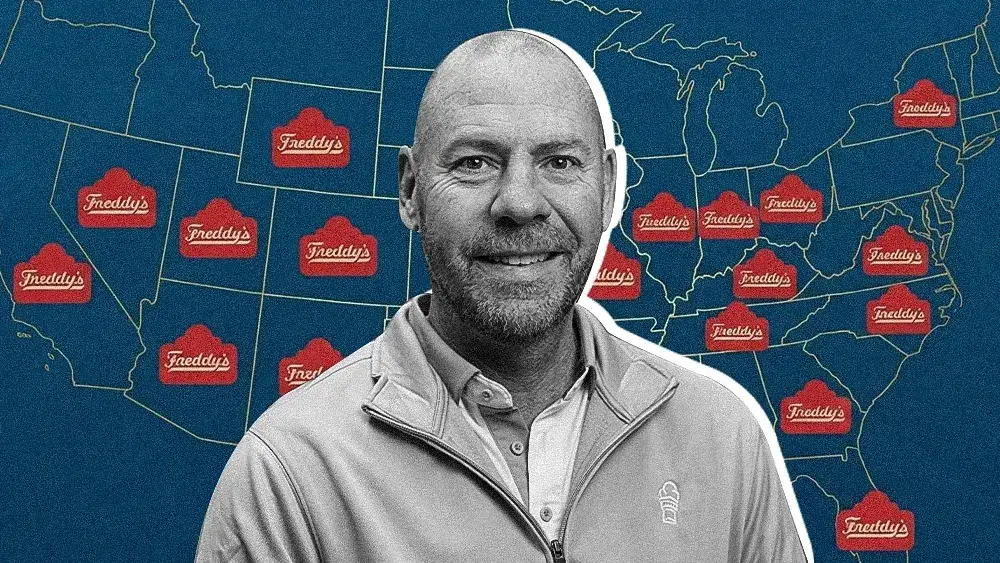
“We need to have consistent technology platforms. We need the quality, we need the security, we have to have efficiency across the systems. But franchisees, they are independent operators, and they need solutions that make sense for them and their businesses."
As AI sweeps across corporate operations, CIOs face the challenge of maintaining control, while still giving employees the freedom to experiment. But franchise businesses like Freddy's Frozen Custard & Steakburgers have long had to strike the balance between standardization and flexibility.
Of the over 580 Freddy’s stores across the U.S., the company owns 38, with the rest operating under the franchise model. And with this number poised to grow amid a massive, private equity-backed expansion, along with rapid adoption of new digital technologies, Freddy’s needed to inject new operational rigor into IT operations.
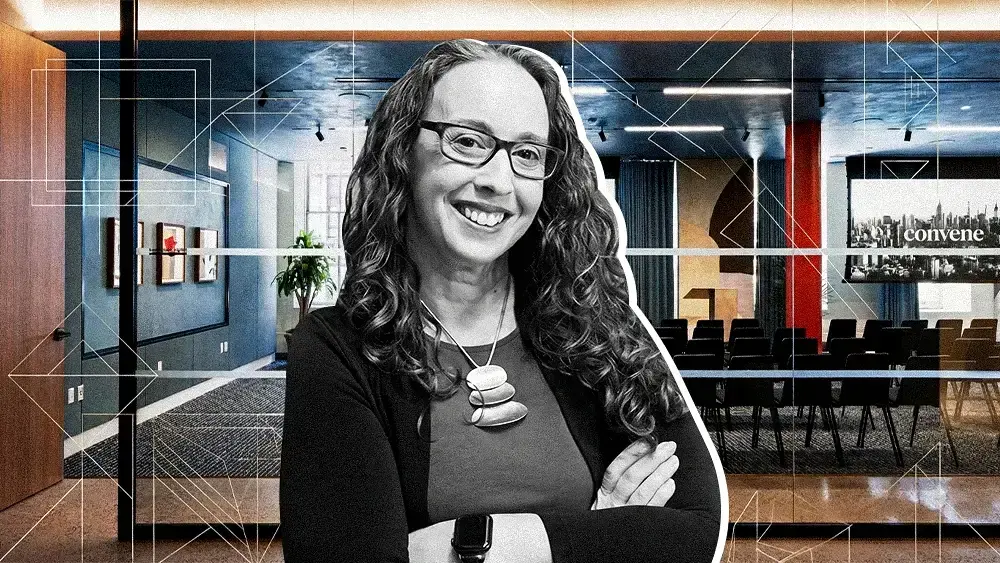
In February, the company appointed Todd Paladini as its first CIO. And his focus is on creating a common IT foundation across all the company’s locations, while still giving individual leaders the ability to invest in the solutions that make the most sense for their specific location.
“Technology needs to be more closely aligned with the company strategy, particularly as the brand expands into new markets and really continues scaling our franchise footprint,” Todd told CIO News in a recent interview. “We have to make sure that technology is supporting our ability to open restaurants efficiently, maintain consistent operations, and ultimately consistent guest experiences across all the locations.”
While he had dreams of becoming a pilot as a child, technology quickly took over Todd’s life. After graduating at the peak of the dot-com boom, he moved to Texas where he helped build Fandango, the popular online movie ticketing system. A fluent Spanish speaker, Todd then went to work for Nokia in Latin America, where he got the attention of Cinemark, an international movie theater chain. There, he worked to help expand operations in South America, before jumping to Cafe Rio, a popular chain of fast casual Mexican restaurants based in Utah.
Now, at Freddy’s, he oversees the technology inside all its restaurants, like point-of-sale, in-store ordering, and payment systems, as well as online ordering, loyalty program, and the many other areas IT now touches.
Establishing the CIO role “ensures technology decisions are made with that strategic lens as opposed to more of a tactical lens which is not uncommon. The blocking and tackling is absolutely necessary, but so is the strategic vision and technology needs to follow suit,” he said.
We talked to Todd about the company’s upcoming investments, the role of AI in the restaurant industry, as well as the importance of getting out of the “IT box” and into the field.
‘It will give us insights we’re starving for’
With a major expansion underway, creating a common knowledge hub for all operators was a top priority. Now, Freddy’s is preparing to launch a new Customer Data Platform, or CDP, that will consolidate key information and enable faster access to intelligence. This will help
provide guest intelligence and store-specific insights to deliver personalized experiences, along with other marketing optimization.
“It’s going to give us insights we’ve been starving for,” Todd said. “It’s connecting all the dots.”
The CDP will be able to deliver both high-level corporate, as well as store-specific insights, he added. It’s just one example of how Todd’s team meets the dual mandates of standardization and operator flexibility.
“We need to have consistent technology platforms. We need the quality, we need the security, we have to have efficiency across the systems. But franchisees, they are independent operators, and they need solutions that make sense for them and their businesses,” he said.

If this caught your attention, that’s not accidental.

The best editorial systems don’t happen by accident. Outlever builds them.