Structural Clarity And Long-Term Infrastructure Investment Define Enduring CIO Leadership
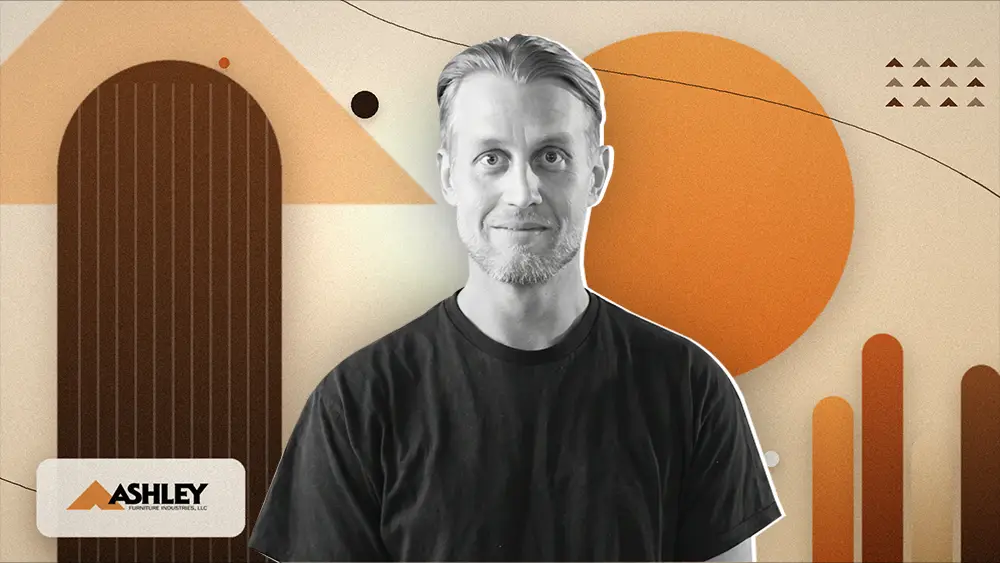
Andrea Bergamini, VP and CIO at global materials and infrastructure giant Orbia, on the evolving role of the CIO in making foundational investments that outlast any single leader.


CIO legacies are built in the org chart, not the press release. The transitions that endure are shaped by early structural calls on roles, decision rights, and foundational investments that quietly determine how the business runs long after the headlines fade. Day one is less about quick wins and more about designing the conditions that make future wins possible.
We spoke with Andrea Bergamini, the Vice President & Chief Information Officer at multinational materials and infrastructure leader Orbia, whose philosophy embodies this approach. A technology and cybersecurity executive with over 20 years of experience leading global teams through transformations at firms like ING and Cargill, Bergamini stepped into his current role with the "privilege," as he put it, of having five years of prior context within the company. From this vantage point, he believes the ultimate goal is to position the business for the future by making the operator side of IT disappear into the background.
"Legacy isn't about the visible transformation. It's about making the operator side of IT so reliable, so embedded, that it becomes invisible. When technology works reliably like electricity, that's when you've truly positioned the business for the future," said Bergamini. That conviction drove how he approached his first year in the role. Rather than chasing early headlines, he focused on cleaning up the organizational architecture he inherited.
Clearing muddled roles: One of the first things Bergamini addresses in any transition is structural ambiguity. "If you have people in multi-headed roles, those roles may have made sense at the time, but they are not future-fit," he said. "Clarifying decision rights, clearing up the roles for clear accountability and ownership, can give room for the next wave of leaders to succeed and shine." He starts this work immediately, treating it as a prerequisite for everything else.
Brilliant basics: Beneath the organizational cleanup sits a deeper challenge: technology debt. Bergamini took a dual-track approach at Orbia, protecting what he called the "brilliant basics": long-term foundational investments in core infrastructure, while simultaneously pursuing business-facing work tied to ROI. "You cannot quick-win your way through a technology debt situation," he said. "But those are investments for your future that you absolutely need to protect as a corporation." The key is to be patient and persistent at the same time, accepting that foundational work takes years while keeping it fully funded.

If this caught your attention, that’s not accidental.

The best editorial systems don’t happen by accident. Outlever builds them.