Key Points

  • Many enterprise acquisitions stall after the deal closes because teams never align on the purpose of the acquisition, leaving products bolted on and talent disengaged.

  • Joel Hron, CTO at Thomson Reuters, explained an M&A approach that treats early-stage AI deals as a way to reshape culture and operating models, not just add capability.

  • The strategy centers on aligning on the core thesis before the deal, trusting acquired teams after it closes, and enforcing firm guardrails on governance, security, and risk.

As M&A activity accelerates, acquisitions are increasingly being used to reshape how organizations think and operate. At Thomson Reuters, early-stage AI deals are a way to bring adaptability, judgment, and modern ways of working into the enterprise, with clear guardrails around governance, security, and risk. It's a means to achieve evolution at scale, without compromising the systems that keep the business standing.

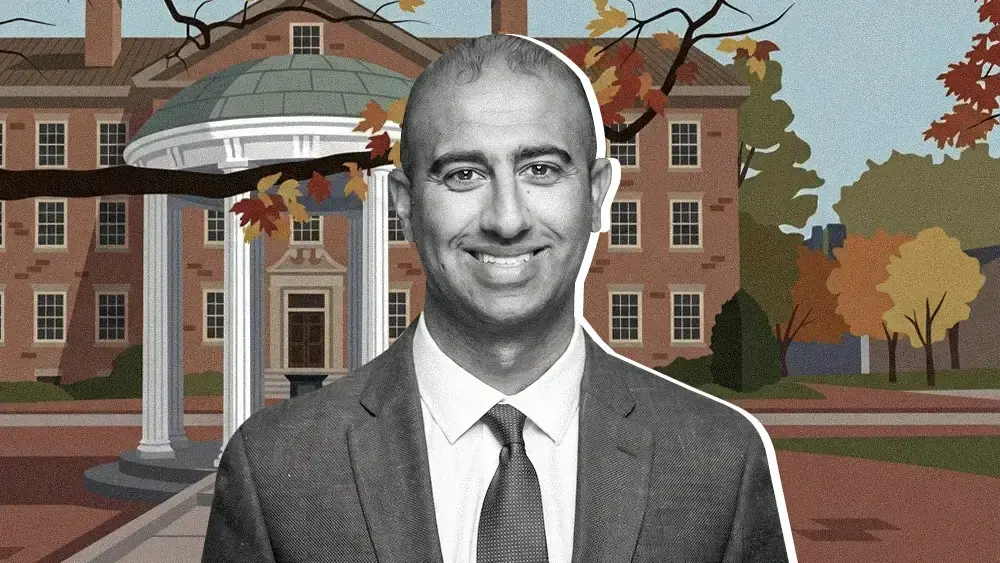
Joel Hron, Chief Technology Officer at Thomson Reuters, has led AI and technology teams through periods of significant growth, including roles as the company’s Head of Artificial Intelligence and as CTO of ThoughtTrace. For Hron, the true value of an acquisition lies in how the acquired team influences the direction and operating model of the broader organization.

"We don’t just take a smaller company and force all of our ways of working onto them. As much as we put our fingerprints on them, they need to put their fingerprints on us," said Hron. That mindset carries through every stage of the deal, from how alignment is established up front to how much autonomy is preserved once the ink is dry.

  • Recipe for failure: The first step is achieving pre-deal alignment. "The single biggest recipe for failure is not being aligned on the core thesis from the start. Is this a bolt-on capability for a legacy product, or is it a centerpiece of our future growth? If you are not aligned, two months later the acquiring company is saying one thing and the acquired company is thinking another, and you will never get back on the same page," said Hron.

  • Trust the talent: The second, and equally important step, is what happens post-acquisition: trusting the acquired talent to use their judgment and adapt. "You bought this company, you acquired this talent, and one of the greatest skills they bring is their ability to use strong judgment and be adaptable," he explained. "You need to let them continue to do that and adapt to what the market is telling them and what the customers are responding to."

"We don’t just take a smaller company and force all of our ways of working onto them. As much as we put our fingerprints on them, they need to put their fingerprints on us."

Joel Hron

CTO
Thomson Reuters

The 'fingerprint' philosophy is backed by substantial financial capacity. With strong financial discipline, Thomson Reuters has pursued over two and a half billion dollars of acquisitions in recent years, including specialized AI firms, which allowed for an operational model that balances firm guardrails with intentional flexibility in areas like recruiting, technology choices, and agile workflows.

  • Clear expectations: "We are candid from the start that security, compliance, and governance are non-negotiables, and we set a reasonable timeframe for meeting those expectations early in the integration process," Hron said. Within those guardrails, high-performing teams are treated as examples, not exceptions. "If a team delivers consistently, with high quality, and at speed, we try to model what they do back into the broader organization rather than layering our own processes on top of them."

  • Startup vs. scale: That flexibility can expose "uncomfortable truths" about how large enterprises actually operate. "Given that compliance requirements are unchangeable, the question becomes how to create an environment that preserves the speed and agility a startup had while staying true to the controls already in place," Hron said. He added that the answer is rarely all-or-nothing. "We try to manage these processes in a more balanced way so we can move efficiently when it makes sense, while still maintaining controls where they matter."

Ultimately, this strategy reflects the modern CTO's expanded role. For many, historical duties like shipping software and controlling costs are now complemented by what Hron calls an "intuition around AI and an intuition around product." He said, "The lines between those two organizations have continued to blur. It certainly has created friction, but I think it leads to better outcomes." The role of the tech leader is expanding, with many becoming orchestrators of talent and culture. It’s an approach that requires what Hron admitted is a 'nerve-wracking' decision: to bet not just on a product, but on the people who built it.

"When you acquire an early-stage company, you really need to not just make bets on the product that this team has built, but on the people who have built it," he concluded. "You need to make a bet on them. It's a bet that they can adapt that product to the future needs of the market and do that collectively with the rest of your organization."