“It’s unbelievable scale, when you think about hundreds of thousands of productions in progress at any given time."

As AI makes it easier than ever to build new applications, leaders are grappling with a key challenge: How do we create a strong engineering culture, and extend it beyond the IT department?
Netflix provides a blueprint. Inside the media giant, engineering teams support all facets of operations with custom-built IT solutions, from the initial engagement with creators, to promoting and airing the final product — or what Chief Technology Officer Elizabeth Stone refers to as a “pitch to play” model.
“It’s very much part of our superpower that we’ve been able to bring technology to entertainment,” she said on a recent episode of “The Pragmatic Engineer” podcast. “We have more than a trillion events that we’re capturing every day between consumer interactions, things that are happening across products and services that support decision making.”
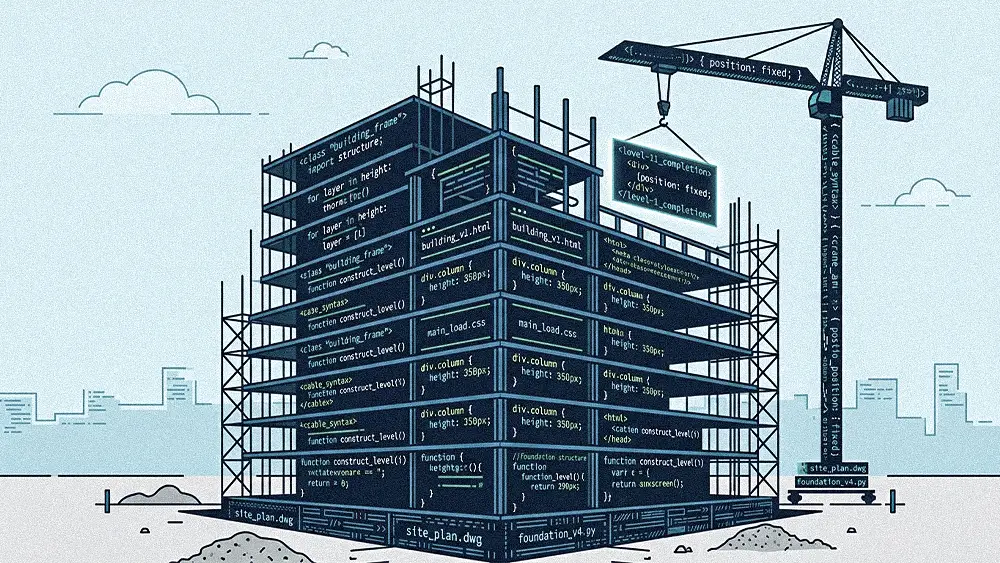
In many ways, Netflix’s decision to build much of its core technology — and make many systems available through the open-source community — has been key to its success in expanding to new markets, like live streaming. For example, Netflix built its own content delivery system, known as Open Connect, as well as a proprietary media production suite. The company also pioneered “chaos engineering,” a development discipline now widely-adopted by other IT teams. And its Visual Effects Studio produces cutting-edge research that has transformed production.
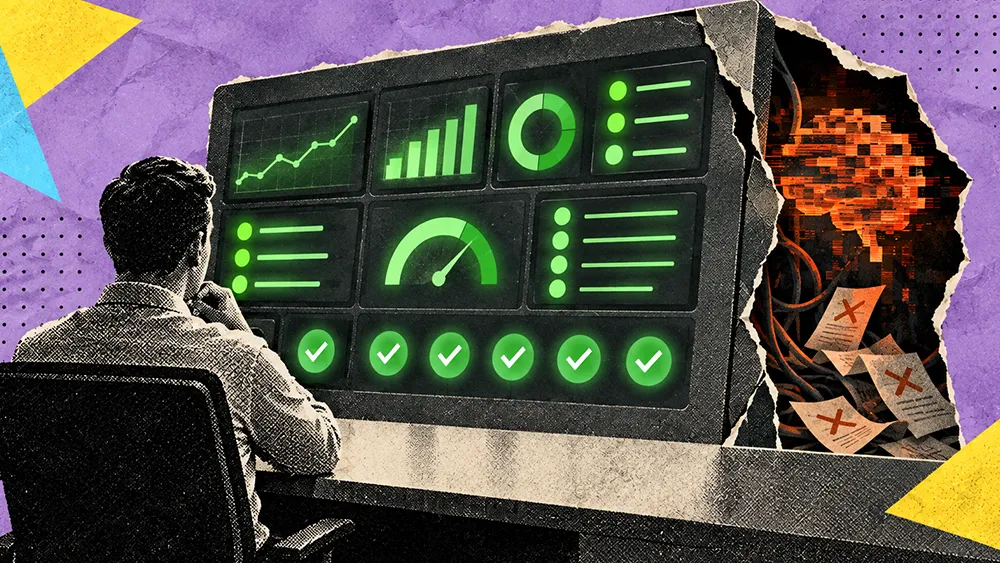
Now, with AI streamlining the work of creating applications, more companies are exploring a strategy of “build” vs. “buy,” igniting fears in the economic markets over the future of vertical software companies. But this transition comes with its own challenges, many that Netflix has solved in its own operations. And a key reason for the company’s success, according to Elizabeth, is a hand-offs management style:
“The way Netflix has been built has been very driven by engineers within the teams rather than some top-down” mandate, she said. “It slows down too many teams to be able to make their own improvements and innovations.”
During the podcast, Elizabeth shared more about the technology challenges Netflix faces as it expands to other market segments, and the keys to building a strong engineering culture.
Owning the stack
Elizabeth’s team has a wide purview, supporting everything from studio productions, to pricing and payments with proprietary IT tools.
For example, built in-house, the company’s media production suite makes it easier and faster to transfer media assets — typically large, complex files — around the globe. Using the product, footage can be routed quickly to the right reviewers, so notes are available the next day of shoots.
Making this seamless, however, requires appropriately managing the storage, compute, and travel of the data, Elizabeth said, a difficult task given the enormity of Netflix’s global operations: “It’s unbelievable scale, when you think about hundreds of thousands of productions in progress at any given time,” she added.

If this caught your attention, that’s not accidental.

The best editorial systems don’t happen by accident. Outlever builds them.