How A Global Energy CIO Pushes Scenario Planning Beyond Theory
Motor Oil Group CIO Nick Giannakakis outlined why scenario planning only works when it reshapes operations, culture, and decision-making, not just strategy decks or models.
Scenario-driven planning is breaking down at the point where strategy is supposed to turn into action. Organizations invest heavily in foresight, models, and scenarios, yet daily operations often continue unchanged. As volatility accelerates and AI reshapes execution itself, the gap between planning and action keeps widening. Siloed structures persist, strategy becomes a performance exercise, and planning drifts without ever being tied to concrete outcomes.
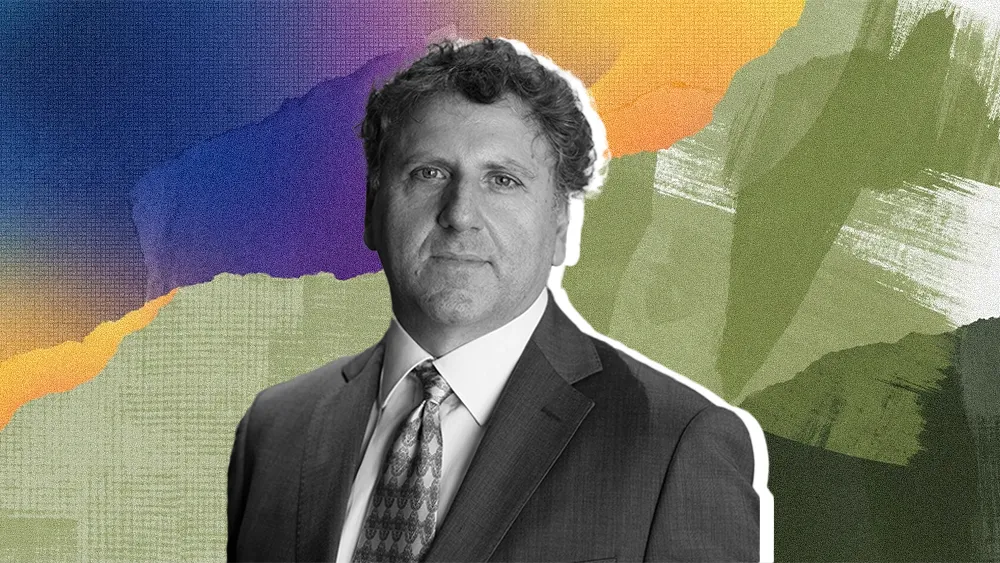
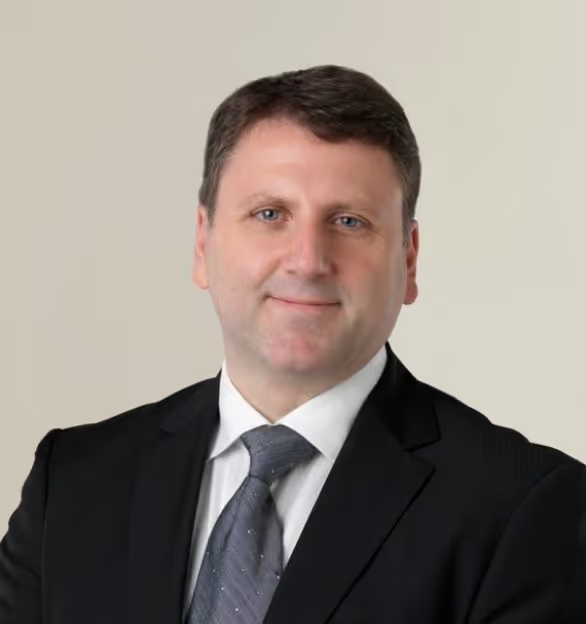
Nick Giannakakis brings a global operator’s perspective to the problem. The Group CIO at Motor Oil, he has held senior technology leadership roles at British American Tobacco, Richemont, and Coca-Cola HBC, leading large-scale digital transformation and IT strategy across complex enterprises. A recognized Top 100 CIO and an alumnus of executive programs at IMD, MIT Sloan, and London Business School, Giannakakis has spent his career working at the intersection of strategy, execution, and risk, Giannakakis noted that scenario-driven planning only works when it reshapes how organizations actually operate.
"A lot of organizations say they are scenario-driven, but until those scenarios show up in how they operate, how they document risk, and how decisions are made, it’s just conversation," said Giannakakis. The issue runs deeper than execution gaps alone. The conditions that once made scenario planning workable are themselves changing.
Defining normal: While the world is moving faster, a core challenge for modern leaders is the erosion of the stable "baseline." Increased market volatility is undermining it, making many traditional planning models less effective. "A scenario-driven world means I can anticipate something and have a baseline to play around with. But the main question now is, can I even have this baseline anymore?" questioned Giannakakis. "I think this is the fundamental question we have to answer."
Not so agile after all: When the strategic baseline disappears, the operational methodologies built upon it must also change. The methods used to execute plans have to adapt, because the old rituals weren't designed for the new reality of collaborative, AI-driven work. "We in IT share responsibility for this," he continued. "For years, organizations have talked about agile as the answer, but that model no longer fits the reality we’re operating in. Especially with AI, work has become far more collaborative and adaptive. Agile, as it was practiced, reflects an earlier way of working, and the operating model has to evolve with it."
Walk the walk: Real change shows up in the paperwork, not the rhetoric. Giannakakis said that when scenario planning moves beyond discussion and into documented reality, it becomes impossible to miss. "I started seeing those scenarios built directly into our business continuity plans and formally recorded in the risk registry," he said. "They were quantified in a tangible way, and they began to shape how we actually operated. At that point, it stopped being talk and started becoming part of the system."

If this caught your attention, that’s not accidental.

The best editorial systems don’t happen by accident. Outlever builds them.