Business Strategy Leads Digital Transformation As CIOs Align Systems With Outcomes
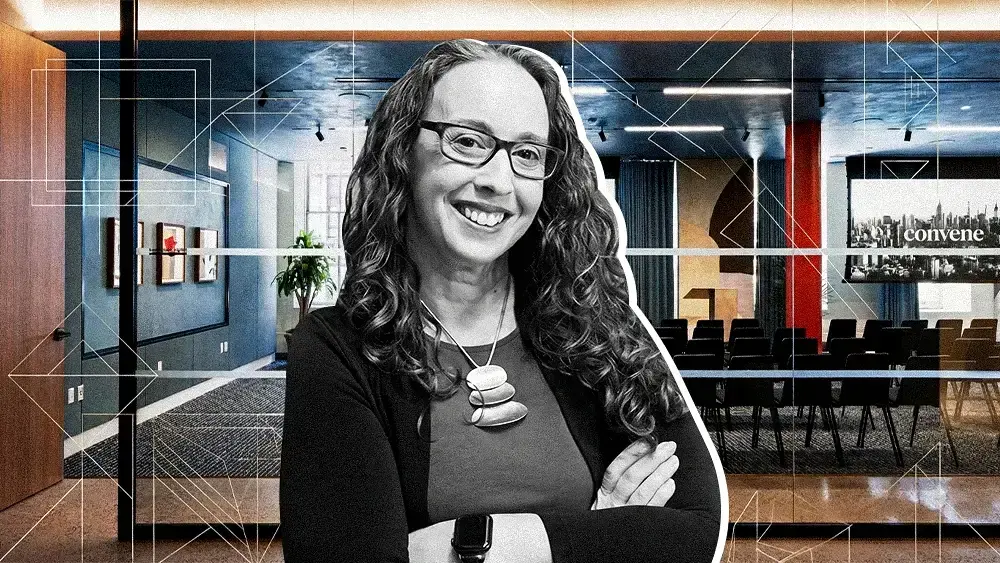
Matteo Ganzaroli, former VP of IT at Comet, on why digital transformation succeeds only when business objectives lead and IT works to enable them.


Every strategic business decision eventually carries an IT consequence, yet many organizations only recognize that connection after problems emerge. The principle itself is not new, even as the technologies involved continue to evolve at a rapid pace. The transformations that succeed tend to follow the same pattern: business objectives set the direction, and technology follows as the mechanism that enables them.
Matteo Ganzaroli is an IT executive with deep international experience leading complex technology transformations. He formerly served as Vice President of IT Business Applications at Comet, a global leader in the semiconductor industry, where he led large-scale digital transformations. With prior roles at Archroma, where he drove M&A integrations in the specialty chemicals sector, and at Maersk Oil, his perspective is shaped by decades of navigating the intersection of business strategy and systems execution. He believes transformation succeeds only when business objectives come first and IT works to enable them.
"Digital transformation starts with the business targets. The business defines what it wants to achieve, and then IT works alongside it to enable those objectives through the right systems and capabilities," said Ganzaroli. For him, this principle predates the current AI moment. The joint ownership of transformation between the business and IT has always been the reality. Modern tooling has simply made it more visible.
Ganzaroli's philosophy starts with redefining the term "operating model." He said leaders should focus first on redesigning the core business processes that support their goals. Once those processes are defined, the technological response follows naturally. That sequencing is the foundation of effective business process optimization.
Model behavior: For Ganzaroli, the confusion starts with the term itself. "An operating model is not an IT operating model. It's about redesigning the business processes needed to achieve the company's strategic objectives," he said.
Keeping the lights on: But this strategic partnership doesn't mean IT's foundational duties disappear. The department retains full ownership of keeping the digital infrastructure stable, secure, and free of technical debt. "IT has its own targets to keep technology up to date and manage technical debt. Those are IT-centric tasks. But for anything that supports the business, the business needs to be in the driver's seat, or at least share the effort," he added.
This business-first approach is gaining traction because today, nearly every major business decision has a direct IT impact. Overlook that connection and the consequences are predictable: costly delays and failed initiatives, a risk that is especially evident during mergers and acquisitions. This reality highlights the need for a cohesive strategy that scales across the enterprise and addresses the modern realities of digital transformation.
The price of poor integration: When IT is excluded from the earliest stages of an acquisition, the cost compounds quickly. "If IT isn't involved in the initial due diligence, the integration can last for years. During that time, the business can't get the full benefits of the acquisition and often lacks clear visibility into critical metrics like profit margins, which makes the new organization incredibly difficult to manage," said Ganzaroli.
The data foundation: Ganzaroli pointed to the widespread push to become 'data-driven' and the immense hype around AI as a catalyst for this change. It has accelerated IT's journey from its historical position as a 'cost center' under finance to a strategic voice in the boardroom, as changing digital transformation priorities require IT leaders who can keep pace with the top technology trends. If you want to be data-driven, you need clean data, and clean data starts with the process, not the system. Processes are owned by the business and data quality is a direct reflection of how well those processes are defined and followed. IT can build the analytics and provide the tools, but the foundation has to come from the business side," he noted.
Hype gets a seat: The boardroom shift is already underway: "The hype that is there is helping or pushing IT to have a seat on the board," he added.
Gaining a seat at the boardroom table comes with new expectations. The shifting requirements for those in IT leadership call for a new skillset, where business acumen and communication are key. This evolution suggests that the future of IT leadership depends less on pure technical knowledge and more on the ability to focus on business strategy. "CIOs are no longer just there to maintain systems and ensure they are stable and secure. They need to understand the business and speak the business language. They can't just be a purely technical person who only talks about servers in terms nobody else in the room can understand," he concluded.

If this caught your attention, that’s not accidental.

The best editorial systems don’t happen by accident. Outlever builds them.