



Security, Governance, Risk
AI Governance, Cybersecurity & Enterprise Risk for CIOs
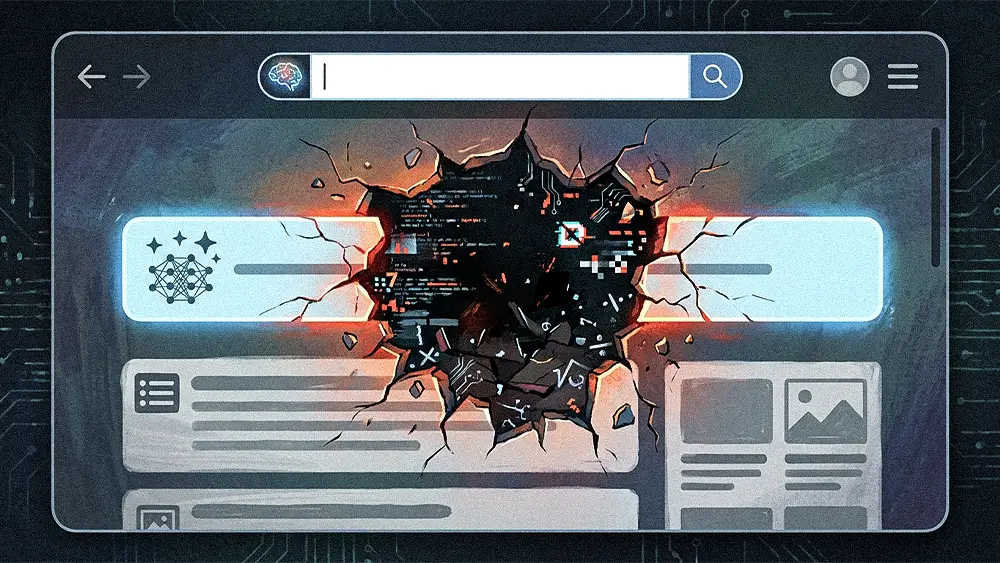
A provider can stay up and still break you. Denis Kondratev, CTO of HR Tech Stream at MTS Group, on building AI failover around answer quality instead of uptime.

Masato Yamanishi, Owner of Liaison Works and former global CISO at Olympus, on why business impact should decide the order of the risk register before cost enters.

Mark Alvarado, Executive Director of IT Security & Compliance at Academy Sports + Outdoors, on governing AI as a hybrid workforce that needs both people and system controls.

Sandy Jacolow, SVP and CTO at Empire State Realty Trust, on why prompt logs can expose sensitive disclosures and how shared oversight keeps them with the right reviewers.

Arvinda Rao, Director of Compliance at Veeam, on the case for governing agent delegation through intent, human checkpoints, and continuous monitoring instead of static access rules.

Tom Armstrong, CIO at Southern Connecticut State University, spoke to CIO News about his new blueprint for strong governance and IT agility in higher education.

Lester Godsey, CISO at Arizona State University, on how security became a strategic accelerator for one of higher education's most ambitious AI deployments.

Ricardo Bastos, Cybersecurity Engineering Manager at TELUS, on how AI exposes weak governance and called for measurable impact rooted in business context.

Anmol Agarwal, Senior Security Researcher at Nokia, on prioritizing value-first AI grounded in real-world security operations.

Wells Fargo’s Siva Paramasamy on why AI governance now succeeds or fails at the pipeline level, not in policy, as models and agents move into production.

Robin Patra, Head of Data, Analytics & AI at Keeley Companies, on a three-pillar playbook for enterprise AI success rooted in governance excellence.

A report from Palo Alto Networks warned that the popular open-source AI assistant Moltbot is inherently insecure for enterprises.

Glyn Bowden, Senior Distinguished Technologist at HPE, outlined how enterprises can move agentic AI from personal wins to scalable systems through business-first governance and experimentation.
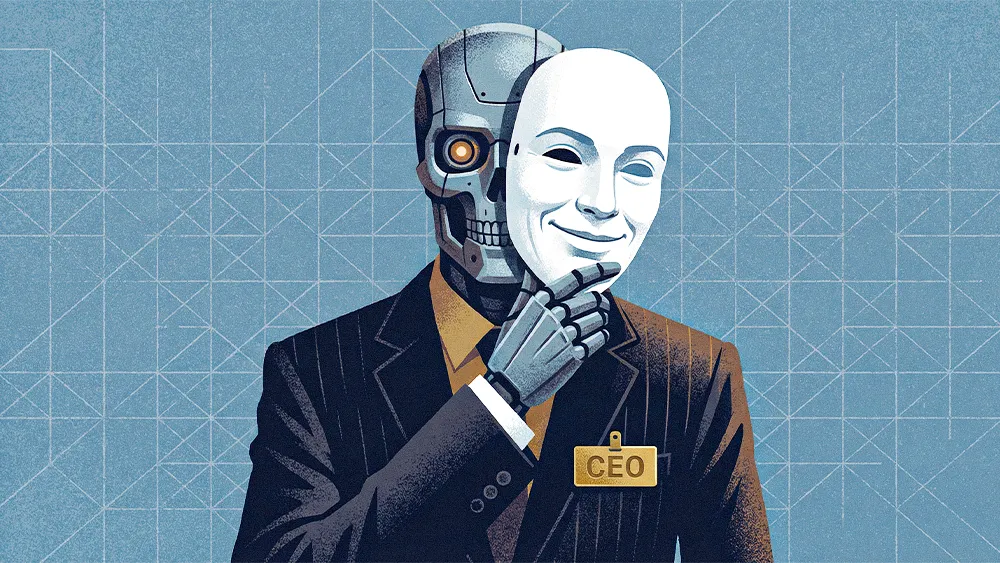
Amit Basu, VP, CIO & CISO at International Seaways, on how AI-driven fraud targets human behavior and why identity, verification, and leadership now define cyber resilience.

Ann Dunkin, Distinguished Professor at Georgia Institute of Technology, framed energy reliability as a CIO-owned strategic risk as AI demand collides with grid instability.

Bill Willis, CTO and Head of Advisory at IDMWORKS, on how healthcare IAM breaks when single identities meet multi-persona reality and why orchestration restores access, security, and care.

Ed Gaudet, CEO and Founder of Censinet, discusses how always-on vendor AI is expanding healthcare risk after deployment.