



Security, Governance, Risk
AI Governance, Cybersecurity & Enterprise Risk for CIOs

Jyoti Ponnapalli, VP of Applied AI at Frontier Communications, on why swarms of AI agents that can answer differently every time force the guardrails into the orchestration layer.

Roderick D. Harris, Principal at RDH Strategic Advisors, said controlled pilots should be the front door for new AI.

Lead Enterprise Architect Philip Flint on why CIOs must govern delegated authority, not just access, as AI agents inherit the power to act at scale.

Global Technology Executive Eswaren Allaghery on why enterprises keep stacking AI governance onto compliance regimes that already overlap.

Platform Architect Harshavardhan Peddireddy on why generated outputs still carry customer data, and how a tracking key that travels through every pipeline makes a consent withdrawal actually land.

Boston Public Health Commission CIO, Puneet Sharma, on why public-sector AI fails on data, budget, and team readiness, and how CIOs build the foundation first.

Aaron Weller, Leader of Privacy Innovation & Assurance at HP, on why the AI failures that matter most surface after launch, in how users react.
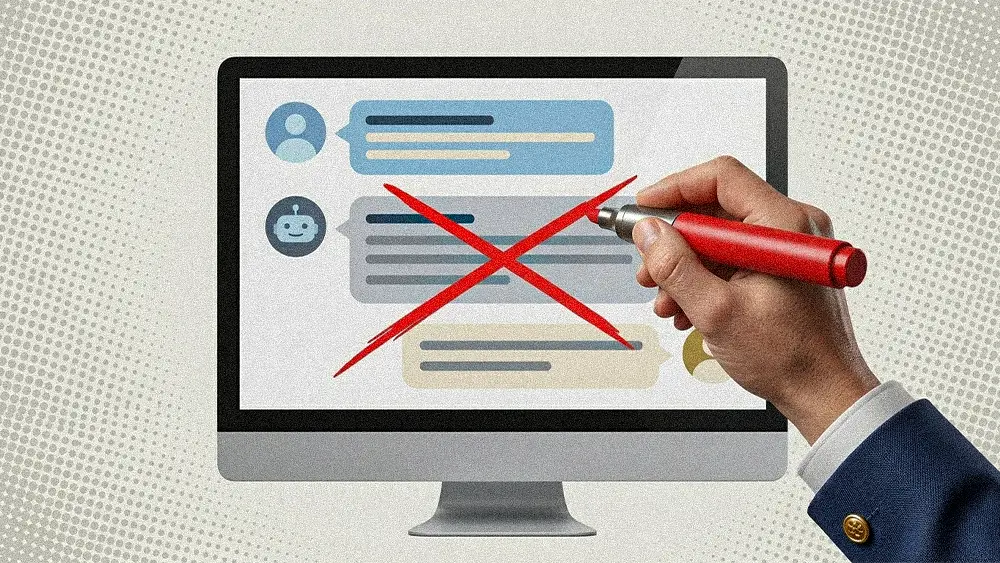
Dell Joshi, CIO of Envu, on why a confident AI answer no one verifies is the business risk enterprises miss, and how the right guardrails catch it first.

Philip Neufeld, Executive Officer of IT at Fresno Unified School District, on why school networks underpin access, security, and workforce readiness.

Aaron Weller, Privacy Innovation and Assurance Leader at HP, argued that financial discipline is becoming the most effective AI governance control as enterprises confront token spend, unproven ROI, and accountability gaps created by fast adoption.

Pamela Austin, a healthcare IT executive and advisor, on why digital transformations stall on leadership alignment and who has to own the outcome.
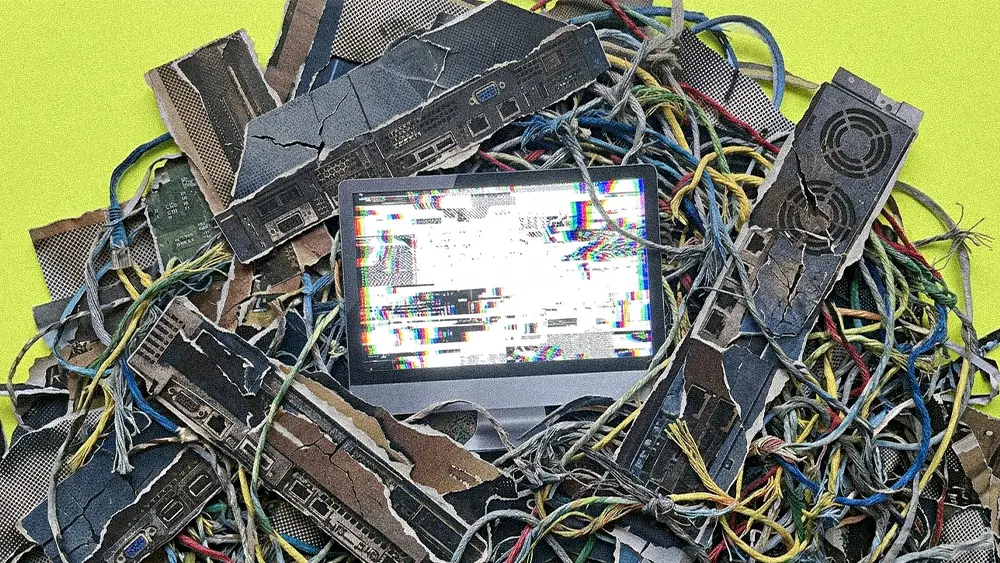
Claudionor Coelho, Senior Fellow for AI at Majestic Labs, on the renewal rate companies won't admit and why the data and connections a demo skips decide whether agents survive.
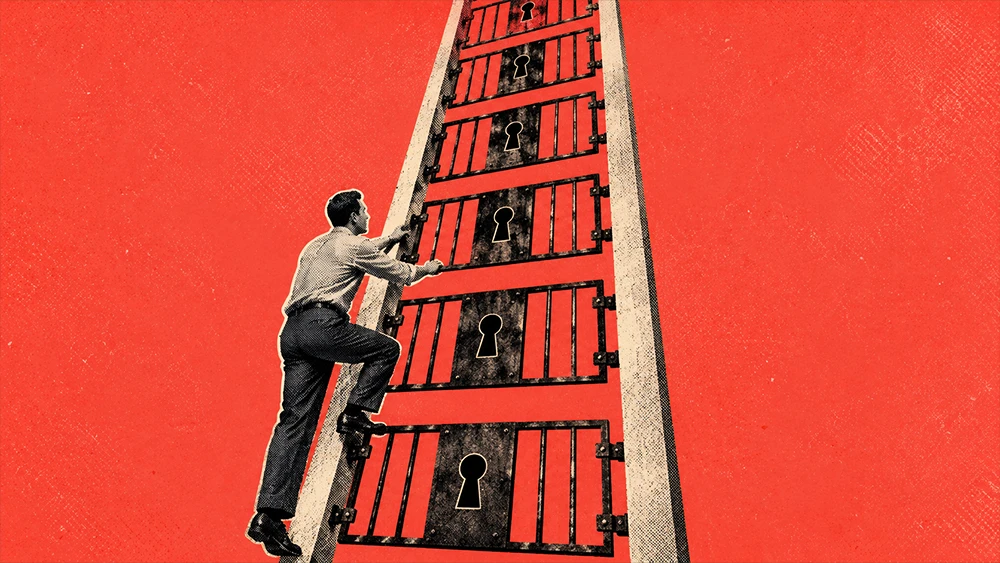
Gregory Baran, Deputy CIO at Tenable, reflected on a year of building and managing 36 personal AI agents to argue that enterprise trust in agentic AI must be enforced through architectural controls and identity layers, not written governance policy.

A rising trend says companies should record every meeting, call, and interaction. The legal, security, and compliance risks are real.

Ajay Paul, Chief Sales Officer at IT consultancy SIMARN Solutions, on the risks of deploying agentic systems before establishing the governance, data architecture, and accountability structures.
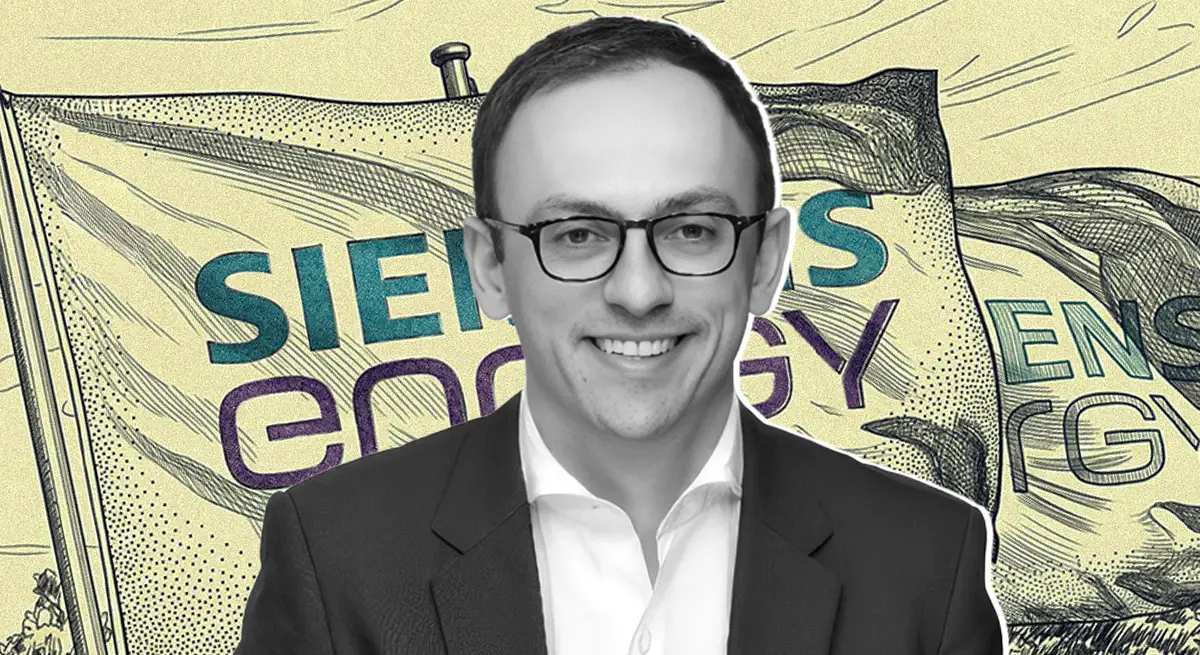
Leo Simonovich, VP of Industrial Cyber at Siemens Energy, on securing data center environments where the threat surface extends from the rack to the turbine.

Sandeep Shilawat, Hybrid Cloud CTO Lead, & AI/Automation Leader at IBM, on how agentic attacks are already operational and enterprises need to step up their continuous architectural enforcement.