



Enterprise AI
Agentic AI, AI Agents & Strategy for CIOs and Technology Leaders

Vinod Kartha, Chief Operating Officer at CyberProof, on how policy-bound agents empty the queues that slow enterprise IT without widening the risk surface.

Oren Hizkiya, Co-Founder and Chief Technology Officer of Four, on why one shared repository of institutional and process knowledge, not more tools, is what lets AI run autonomous work and keeps headcount flat.

Scott Schemmel, Strategic Advisor at OAKS Advisory Group and former CIO at Construction Resources, on how AI returns show up when companies rebuild work from end-to-end, cut the handoffs, and govern the data their agents act on.
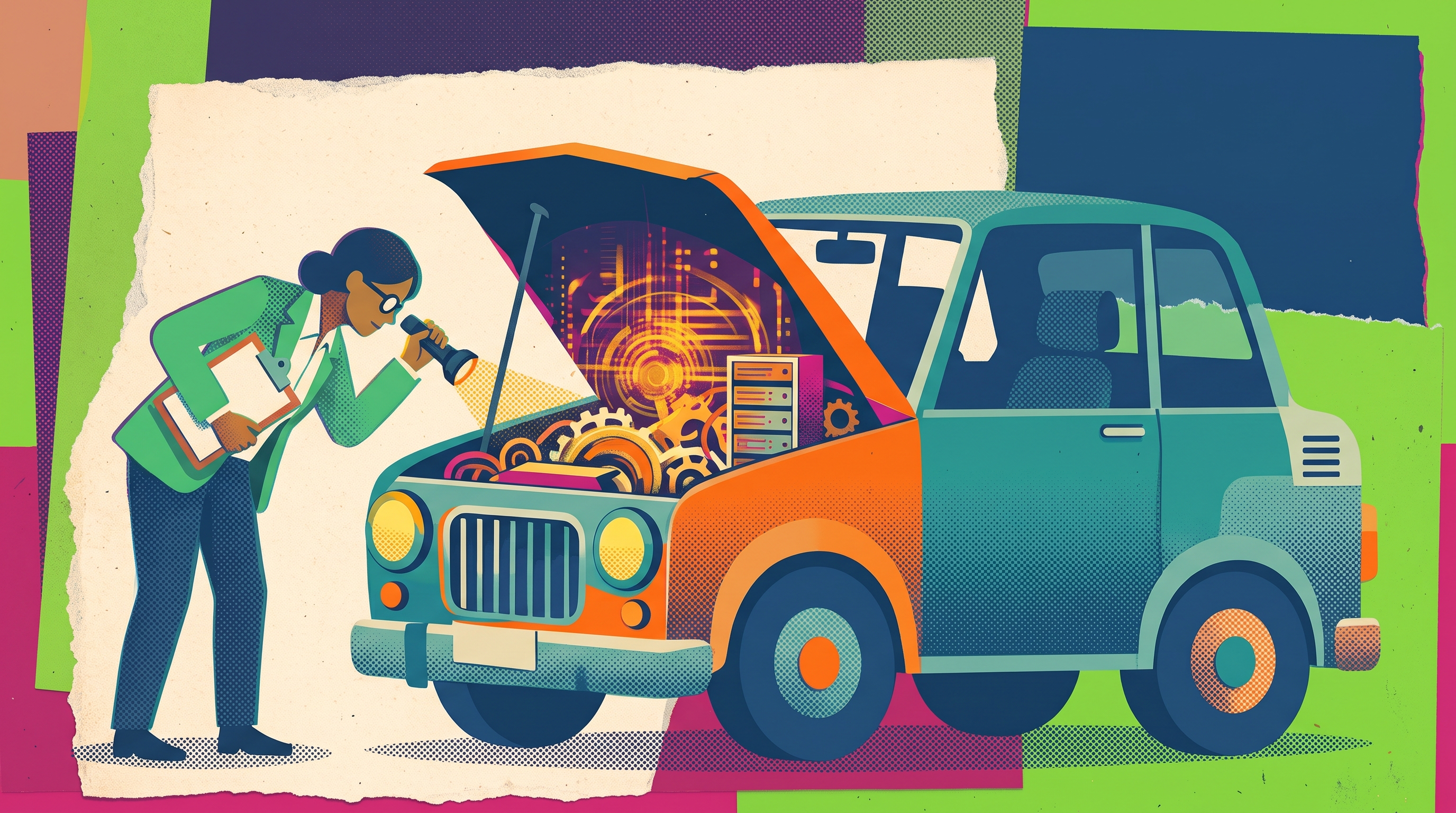
AI has shifted from a post-deal integration chore to a make-or-break factor in M&A. CIO Jason James shares how deal teams can spot AI-washing in target companies, use AI to speed up due diligence and post-close integration, and keep human judgment at


With a career spanning oil and gas, retail, IT infrastructure, and consumer packaged goods, CIO News spoke with Scott about what it takes to morph a heritage retailer into a technology company.

Kris Hagel, CIO at Peninsula School District, on how coding agents made it possible to build an AI platform aligned to his district's own instructional frameworks.

Sam Ferrise, CTO at Trinetix, explained why AI productivity gains stall at the organizational level and what leaders must measure, redesign, and instrument to make them stick.
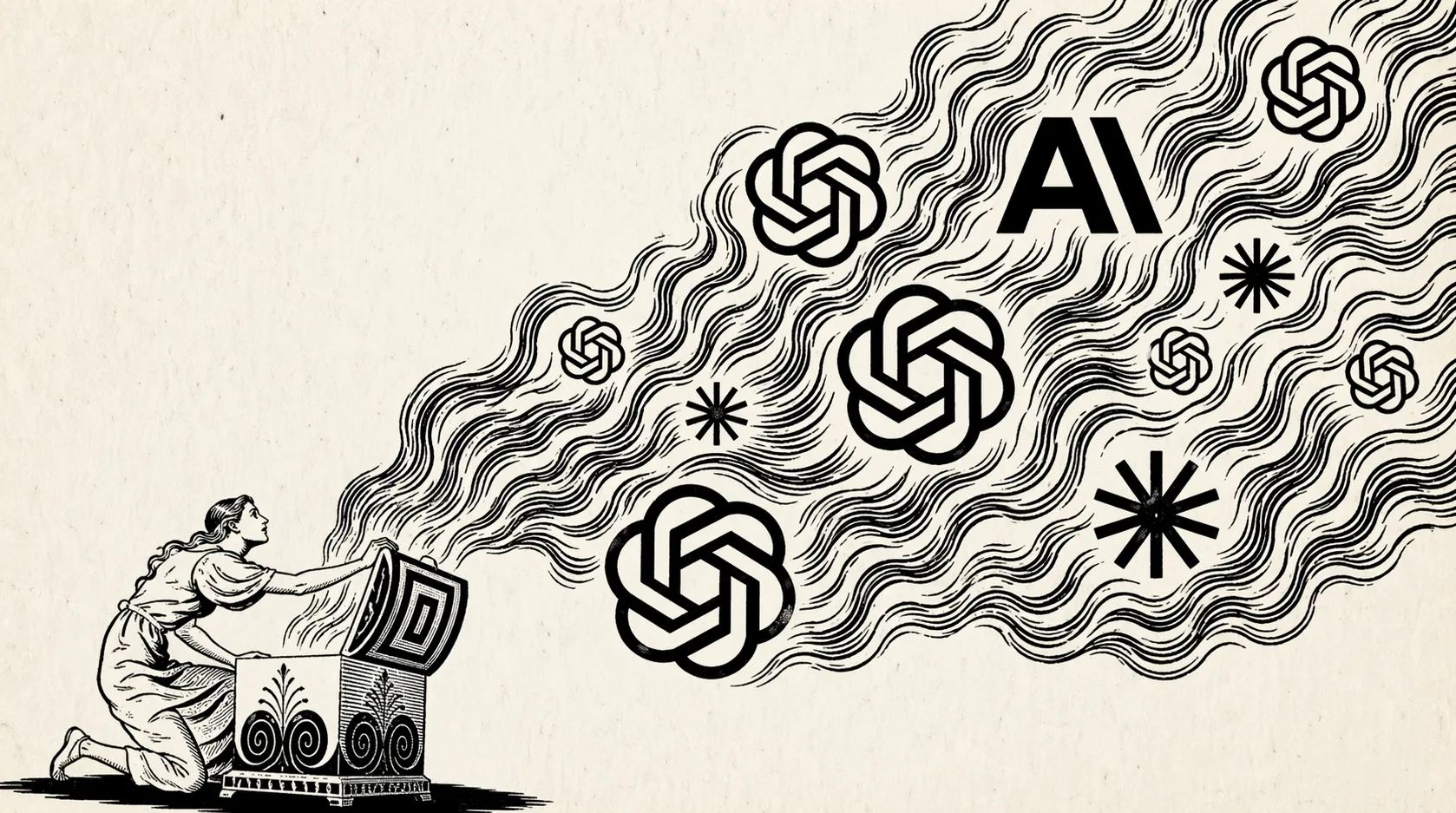
Claude Mythos is a forcing function for enterprise adaptation. Stuart Evans, Ph.D., on why the CIO, the only executive who sees across systems, data, and people, is now the architect of adaptability.

Citi VP Hardik Sanchawat on how centralizing AI governance while giving business units freedom to execute locally closes the trust gap between pilots and production.

Bijit Ghosh, Managing Director of AI/ML Architecture at Wells Fargo, on separating AI's governance layer from its execution layer to keep enterprise workflows auditable and scalable.

Ramachandran S, fractional CTO and Gridzy AI board member, explained why skipping the readiness audit is what most enterprise AI failures have in common.

Vijay Morampudi, SVP and AI CoE Leader at Marsh, explained how codifying tacit knowledge and applying the 'irreversibility rule' transformed his team's approach to scaling enterprise AI agents.
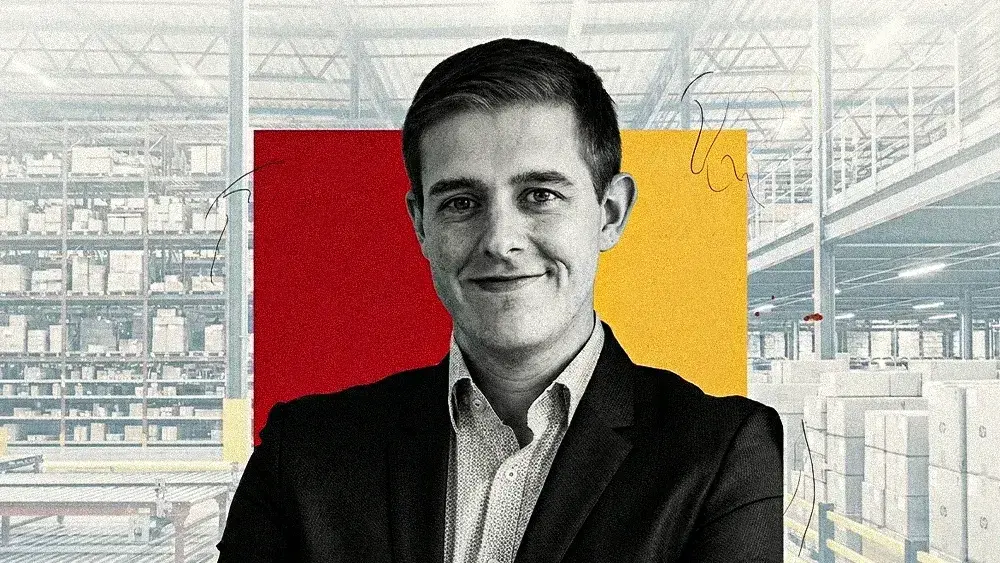
Christophe Theys, Global Head of AI, Data and Analytics, discussed the importance of building a centralized data and AI team, AI’s biggest risks, and getting buy-in from the workforce.
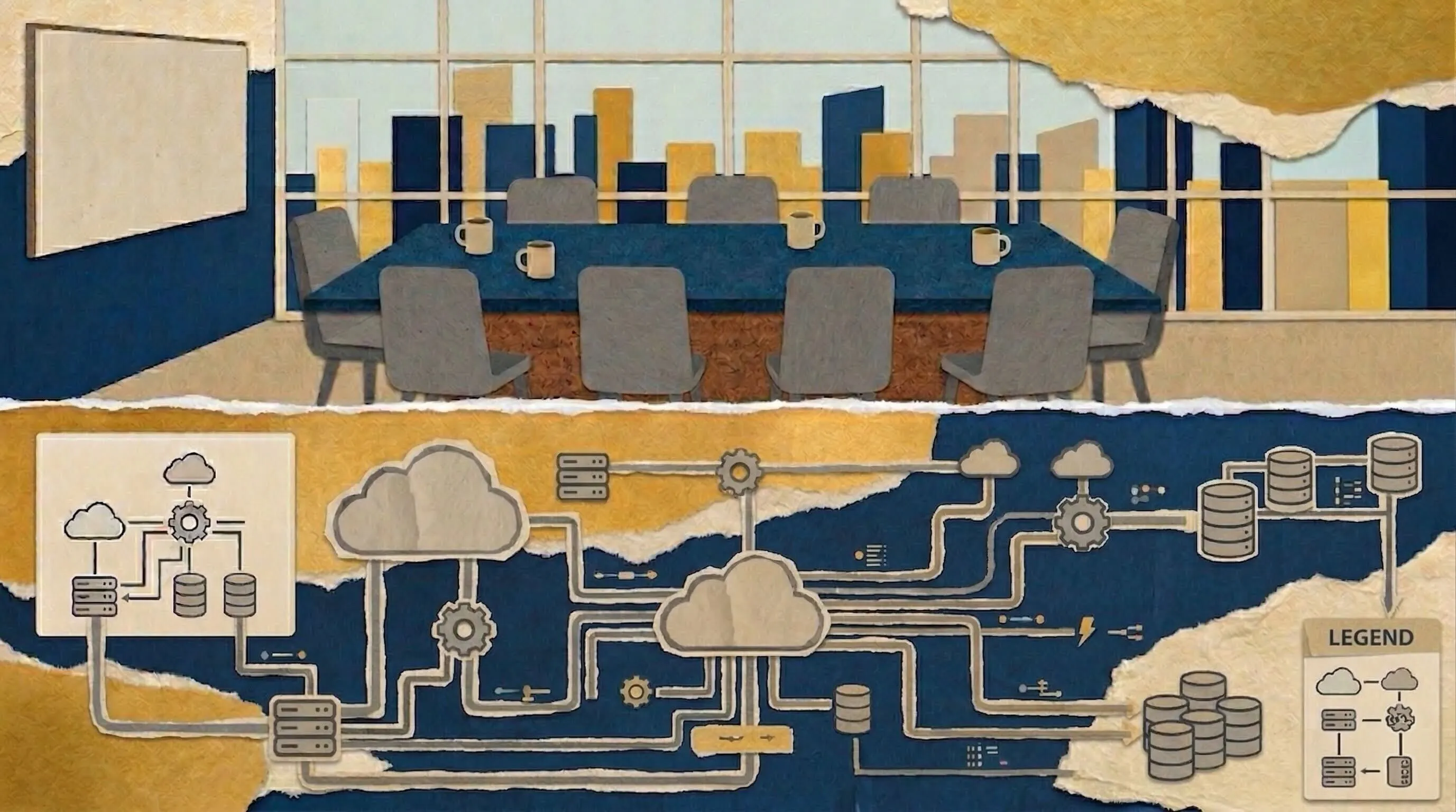
CIOs and CAIOs don't need to compete. A two-zone architecture lets AI teams move fast while keeping enterprise systems governed and secure.

Shawn Harrs, Ph.D., CIO at GuidePoint Security, outlined why AI literacy and database-level governance through MCP are prerequisites for scaling enterprise AI agents.

Gary Meyer, Strategic Markets Executive at Cognizant's TriZetto Healthcare Products, on why durable AI advantage depends on moving intelligence upstream.