



Enterprise AI
Agentic AI, AI Agents & Strategy for CIOs and Technology Leaders

With hundreds of AI agents in production, Richard Teachout, Chief Technology Officer at Ashley Furniture, is replacing the central knowledge base with a self-correcting layer that flags when reality drifts from documented process.

Jason Jodoin, President of 23 Advisory Group, on why an agent headcount tells CIOs nothing about the risk underneath it, and how product discipline turns a sprawling estate into a governed one.
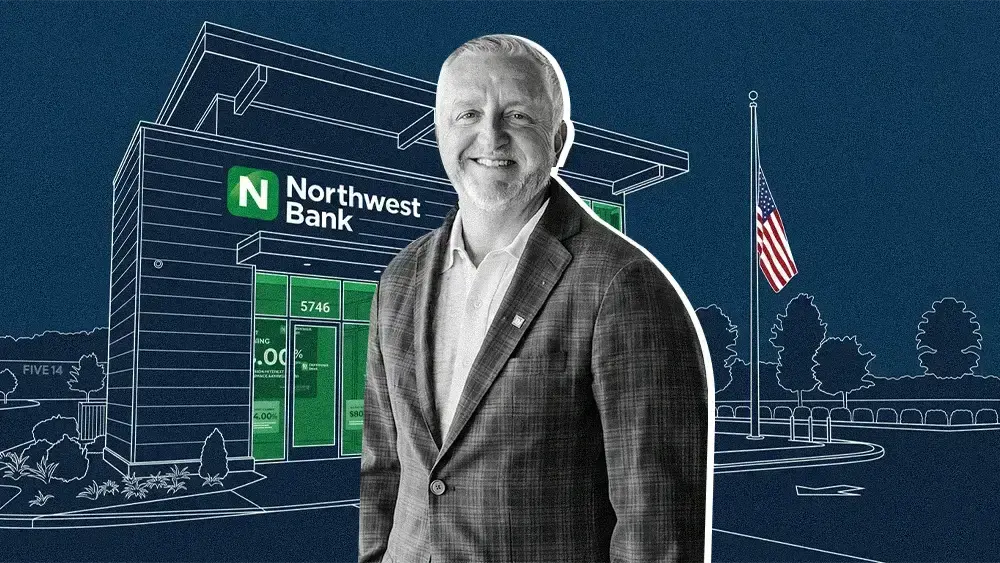

As health systems head toward thousands of AI capabilities, Craig Richardville, Chief Digital and Information Officer at UF Health, on the discipline that matters most is knowing when to decommission a model, not just how to deploy one.


Citi VP Hardik Sanchawat on how centralizing AI governance while giving business units freedom to execute locally closes the trust gap between pilots and production.

Bijit Ghosh, Managing Director of AI/ML Architecture at Wells Fargo, on separating AI's governance layer from its execution layer to keep enterprise workflows auditable and scalable.

Ramachandran S, fractional CTO and Gridzy AI board member, explained why skipping the readiness audit is what most enterprise AI failures have in common.

Vijay Morampudi, SVP and AI CoE Leader at Marsh, explained how codifying tacit knowledge and applying the 'irreversibility rule' transformed his team's approach to scaling enterprise AI agents.
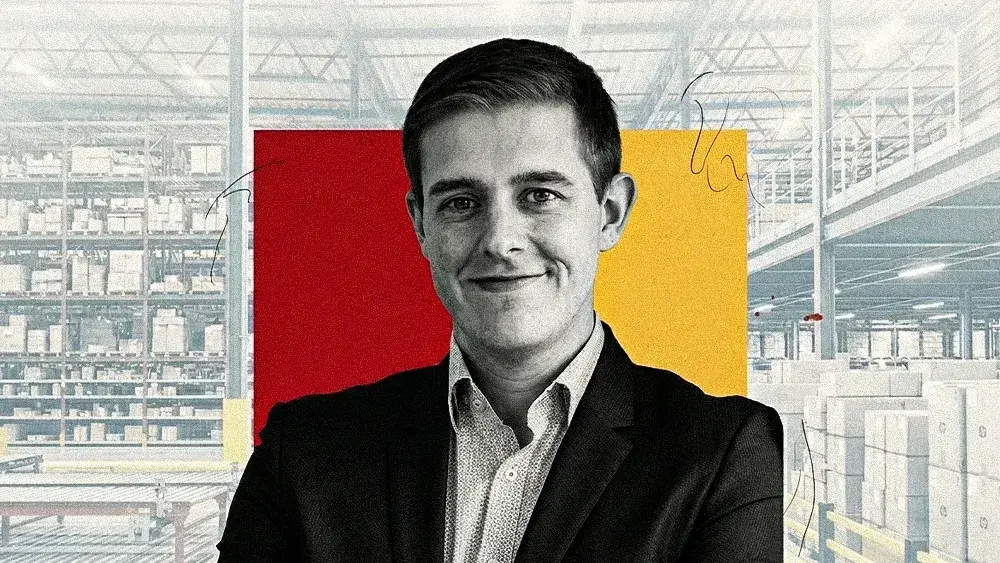
Christophe Theys, Global Head of AI, Data and Analytics, discussed the importance of building a centralized data and AI team, AI’s biggest risks, and getting buy-in from the workforce.
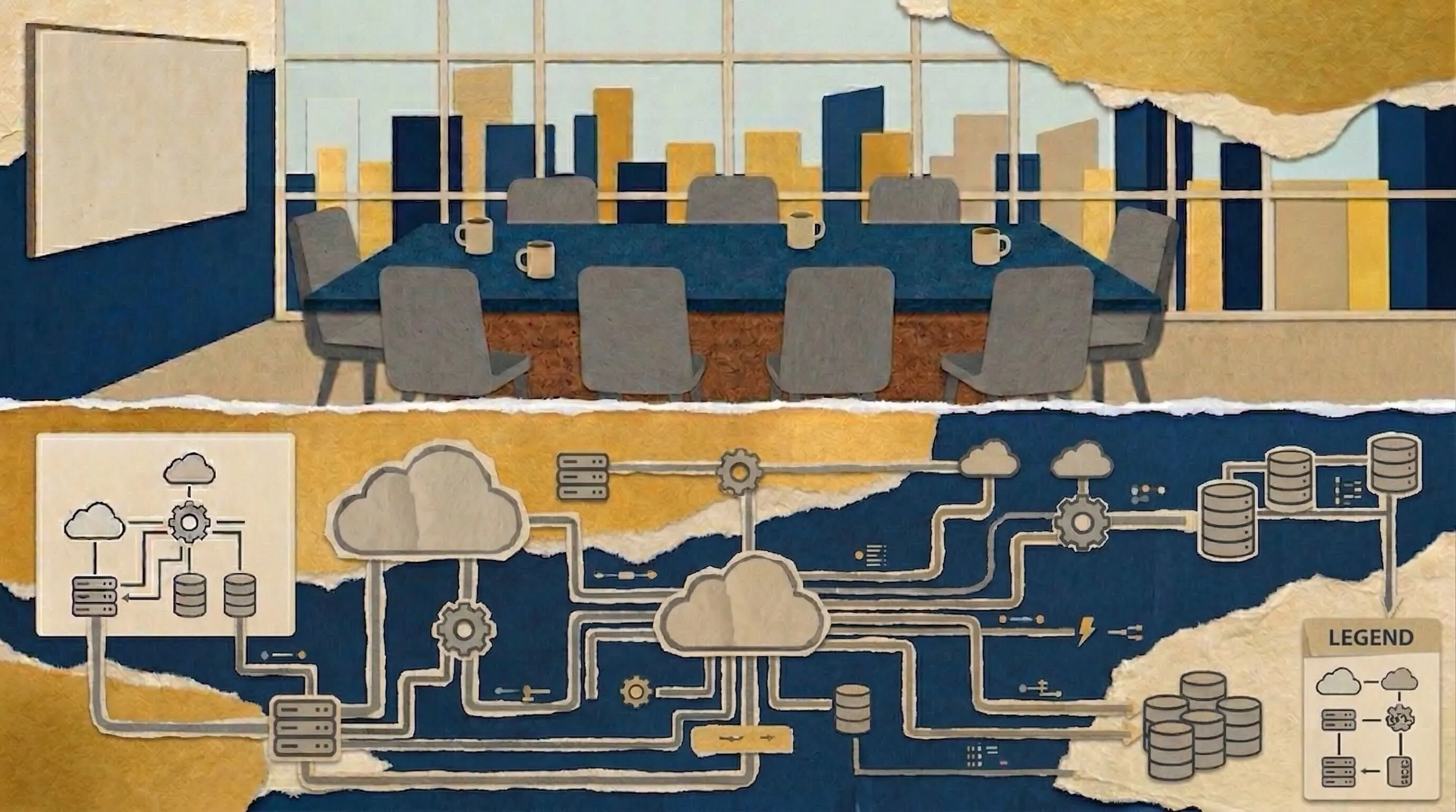
CIOs and CAIOs don't need to compete. A two-zone architecture lets AI teams move fast while keeping enterprise systems governed and secure.

Shawn Harrs, Ph.D., CIO at GuidePoint Security, outlined why AI literacy and database-level governance through MCP are prerequisites for scaling enterprise AI agents.

Gary Meyer, Strategic Markets Executive at Cognizant's TriZetto Healthcare Products, on why durable AI advantage depends on moving intelligence upstream.

George Korizis, Partner at PwC, on why scaling AI is an organizational discipline problem and what leaders must do to move from pilot purgatory to production.
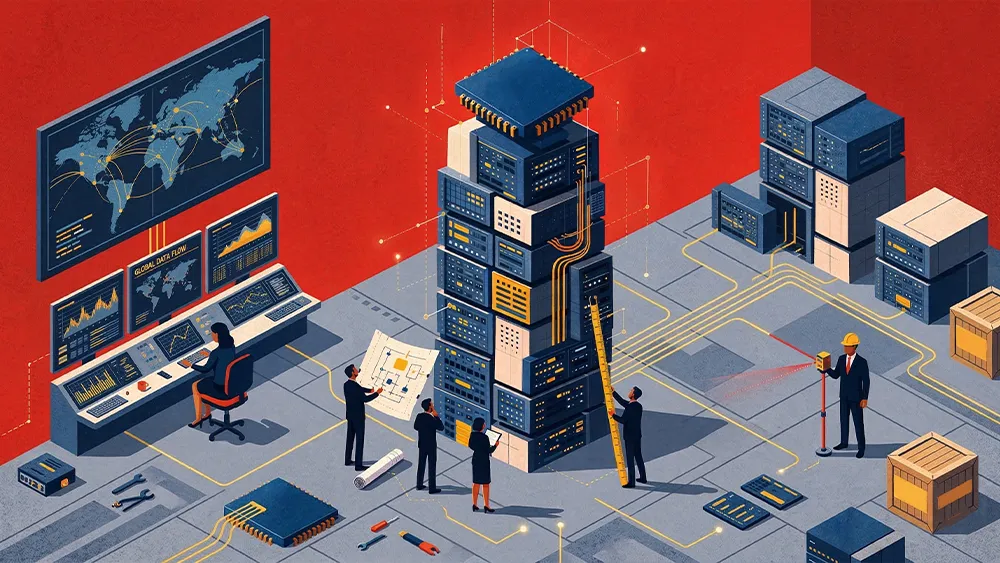
Wells Fargo's Bijit Ghosh on why the architecture decisions CIOs make now will determine which AI programs hold up at scale

Deven Verma, Director of Technology Strategy at Deloitte, on how governance, defensibility, and measurable ROI define the new CIO accountability mandate in the age of operational AI.

Johnny Franco-Arboine, a Senior Agile Project Manager at Amtrak, on the intricacies of scaling through automation, and how IT leaders can leverage disciplined systems to unlock next-gen AIOps.