



Enterprise AI
Agentic AI, AI Agents & Strategy for CIOs and Technology Leaders

With hundreds of AI agents in production, Richard Teachout, Chief Technology Officer at Ashley Furniture, is replacing the central knowledge base with a self-correcting layer that flags when reality drifts from documented process.

Jason Jodoin, President of 23 Advisory Group, on why an agent headcount tells CIOs nothing about the risk underneath it, and how product discipline turns a sprawling estate into a governed one.
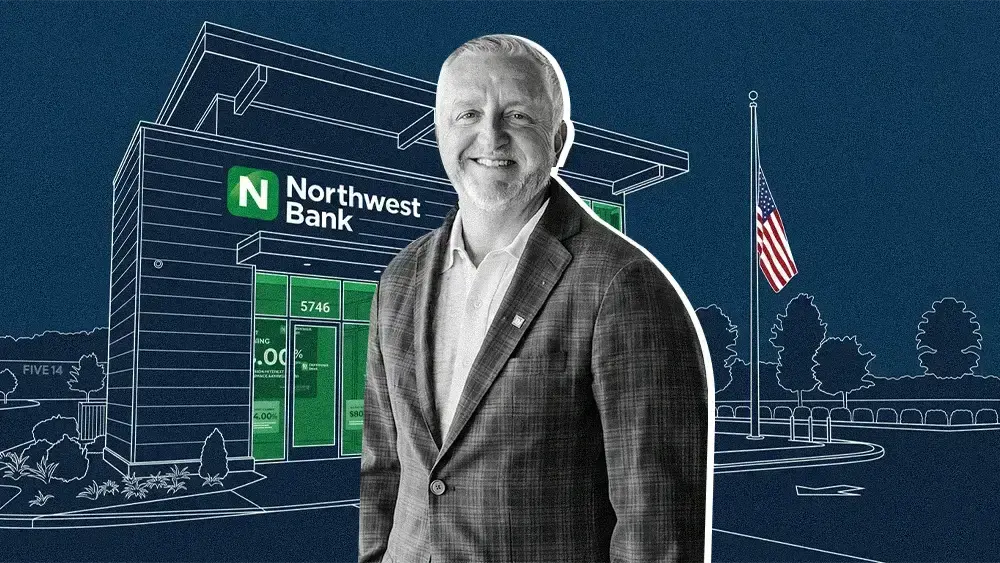

As health systems head toward thousands of AI capabilities, Craig Richardville, Chief Digital and Information Officer at UF Health, on the discipline that matters most is knowing when to decommission a model, not just how to deploy one.


Pawanjit Singh, CIO of Centria Autism, on why AI use cases reach production only when they answer to a business value driver, and why every new agent starts its career as a closely supervised intern.

Khwaja Shaik, CTO, Industry Market at IBM, and Board Director at MOSH, on why a risk-based intake framework, cross-functional governance committee, and board-level oversight give enterprises the structure to scale AI without slowing down.

Krishnamurthy Rajesh, CIO of Digital Transformation and AI Strategy at Vinmegham, on why "on the loop" supervision gives enterprises both the efficiency gains and the accountability structure that "in the loop" oversight can't deliver simultaneously.

Laszlo Nagy, Founder and CEO of DuoClarity, on why AI direction set below the top leaves companies with separate builds that never connect.

The Jensen Huang letter reignited debate over open vs. closed AI models. For CIOs, the sharper question is accountability: who approved the agent, and who owns what it does.

Armel Roméo Kouassi, SVP and Global Head of Asset Liability Management at Northern Trust, on keeping accountability workable as AI output grows.

Eli Potter argues RevOps AI agents get worse with more CRM data unless paired with a 'context graph'—a narrow set of live deal facts assembled at decision time, distinct from the stable knowledge graph most teams mistake for the full solution.

Divya Rathanlal, CIO of Austin Water, on reframing digital transformation from an IT project into a service design challenge built on trust.
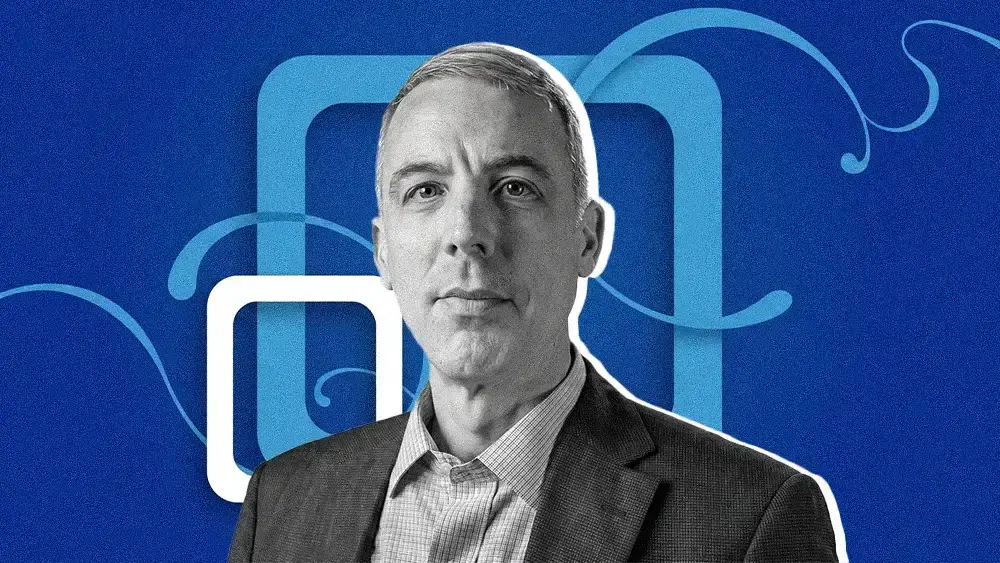
After spending the past decade eliminating legacy systems and rebuilding the technology stack, New York Life Group Benefit Solutions (GBS) CIO Matt Marze and team were prepared when the AI mandate came.

Sai Krishna Cheemakurthi, VP and Lead Infrastructure Architect for Enterprise Observability at U.S. Bank, on why the next architectural layer enterprises need is an AI control plane that turns observability into governed action.

Todd Pugh, fractional CIO and former CIO of CSAA Insurance Group, on why enterprise AI failures usually expose broken business logic rather than broken technology.

Massimo Pezzini breaks down the three pillars of AI agent orchestration and why skipping a strategy leads to costly "spaghetti" sprawl.