



Enterprise AI
Agentic AI, AI Agents & Strategy for CIOs and Technology Leaders

With hundreds of AI agents in production, Richard Teachout, Chief Technology Officer at Ashley Furniture, is replacing the central knowledge base with a self-correcting layer that flags when reality drifts from documented process.

Jason Jodoin, President of 23 Advisory Group, on why an agent headcount tells CIOs nothing about the risk underneath it, and how product discipline turns a sprawling estate into a governed one.
As health systems head toward thousands of AI capabilities, Craig Richardville, Chief Digital and Information Officer at UF Health, on the discipline that matters most is knowing when to decommission a model, not just how to deploy one.


Edward Cheng, Senior Advisor for Safe AI Agents at Stanford’s Deliberative Democracy Lab, on how shared rules and decision records let companies judge when an agent can act alone.
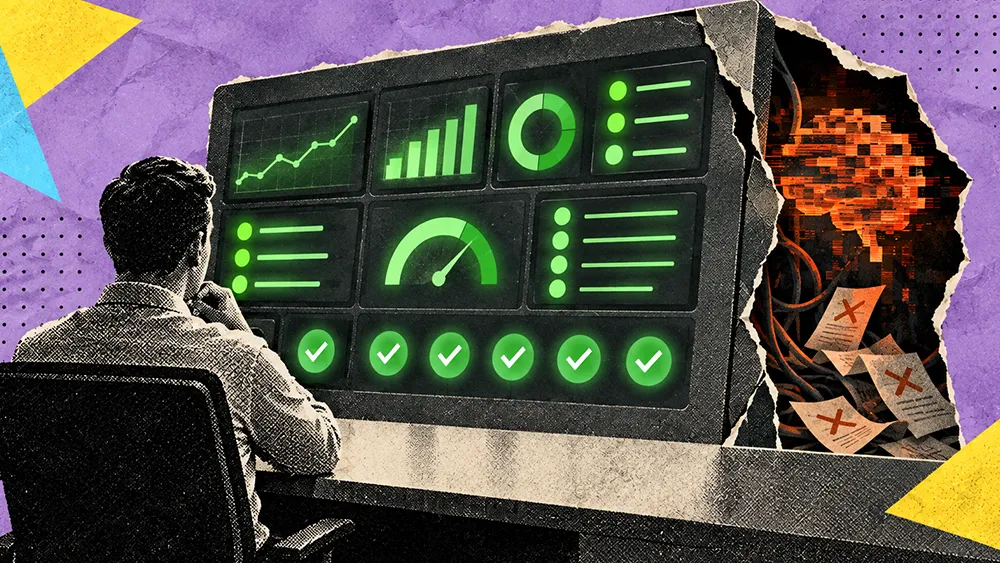
Srinath Gopinath, a reliability and observability leader at a major U.S. financial institution, on judging agent decisions and building systems to catch fall-through.

Caio Fernandes, VP of Technology at Checkers & Rally's, on why the voice model is the smallest piece of a drive-thru AI rollout, and why the baseline and the trusted data around it decide whether it pays.
As AI accelerates market change, CIOs must shift from one-time procurement choices to a continuous discipline of managing optionality. Which layer of your stack do you own to stay competitive?

Neeraj Mathur, Chief Information Officer at SickKids Foundation, explains why domain experts belong at the start of an AI project and what changes once building stops being the constraint.

Aroon Grover, GM of AI, Analytics, and Strategy at 7-Eleven, measures AI by the return it creates and knows when data isn’t the answer.
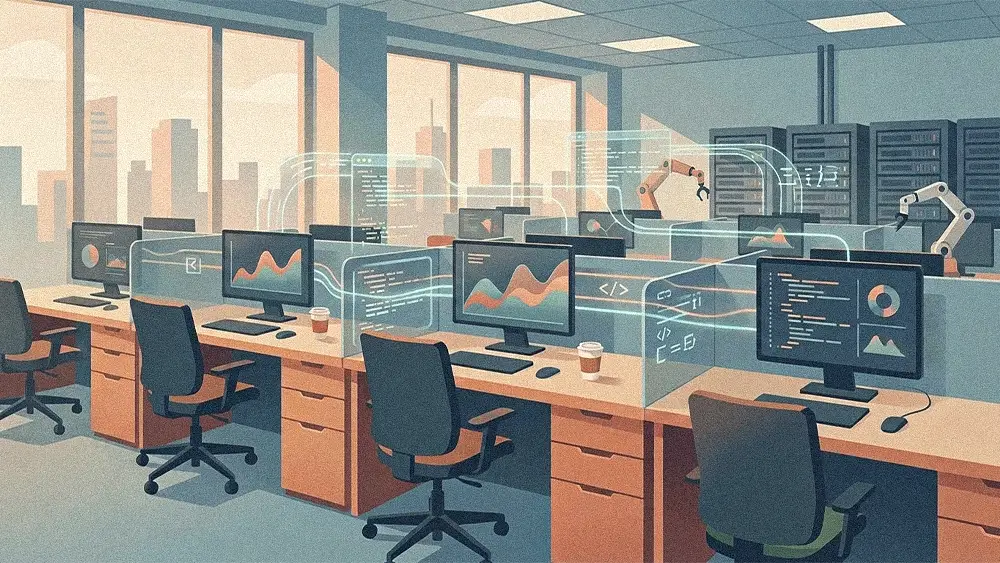
Laszlo Nagy, Founder and CEO of DuoClarity, on why an approved AI system drifts after launch and what it takes in people and budget to keep it working.

Mueed Mohammed, Founder and CTO of WindyCity Trader who led enterprise architecture at 7-Eleven, State Farm, and ExxonMobil, on why the durable edge in AI comes from engineering the memory a stateless model can't keep.
CIOnews spoke with Rory Meleniclis, CIO of Global Specialty Lines at Intact Insurance, about how IT organizations can move beyond responsive ticket takers and become strategic partners capable of translating business needs into technology solutions.

Chris Tidrick, Chief Information Officer at Gies College of Business, on what modern employers want from graduates and why AI dependence often undercuts it.

Aaron Rallo, Co-Founder and CEO of Trovia, on why the last stretch of an AI project is the hardest and what it takes to clear security review.
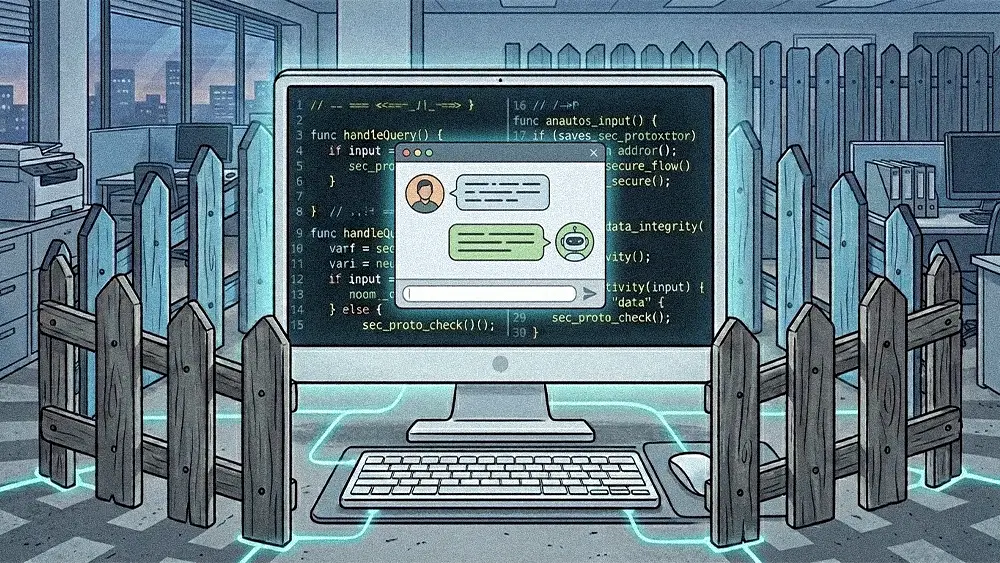
Former JSX CIO, Craig Airitam, on why durable enterprise AI value lives in the guardrails, observability, and contracts around the model rather than in the model itself.