



Enterprise AI
Agentic AI, AI Agents & Strategy for CIOs and Technology Leaders

With hundreds of AI agents in production, Richard Teachout, Chief Technology Officer at Ashley Furniture, is replacing the central knowledge base with a self-correcting layer that flags when reality drifts from documented process.

Jason Jodoin, President of 23 Advisory Group, on why an agent headcount tells CIOs nothing about the risk underneath it, and how product discipline turns a sprawling estate into a governed one.
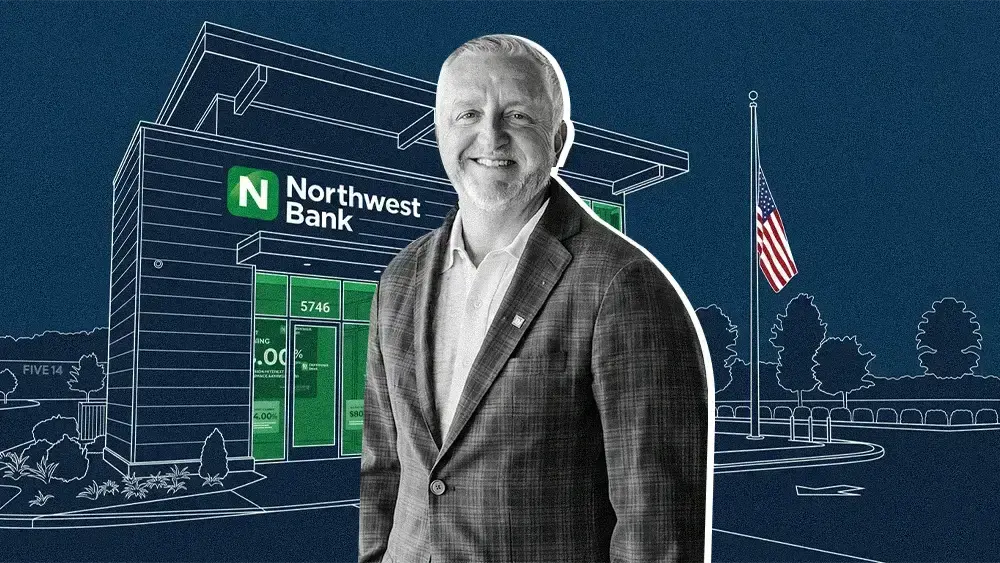

As health systems head toward thousands of AI capabilities, Craig Richardville, Chief Digital and Information Officer at UF Health, on the discipline that matters most is knowing when to decommission a model, not just how to deploy one.


Wendy Turner-Williams, Chief Data and AI Officer at SymphraAI, on were enterprise AI transformations are stalling on ROI as leaders measure technology deployment instead of the decision quality.

Andy Armstrong, Head of Business and Market Strategy for Credit Analytics at S&P Global, on why risk data must reach the analyst, not just the system, to accelerate credit and supplier decisions.

Tom M. Gomez, Managing Partner at Luminity Digital, on how LLM providers are systematically collapsing the middleware stack, structurally displacing cognitive-era data platforms.
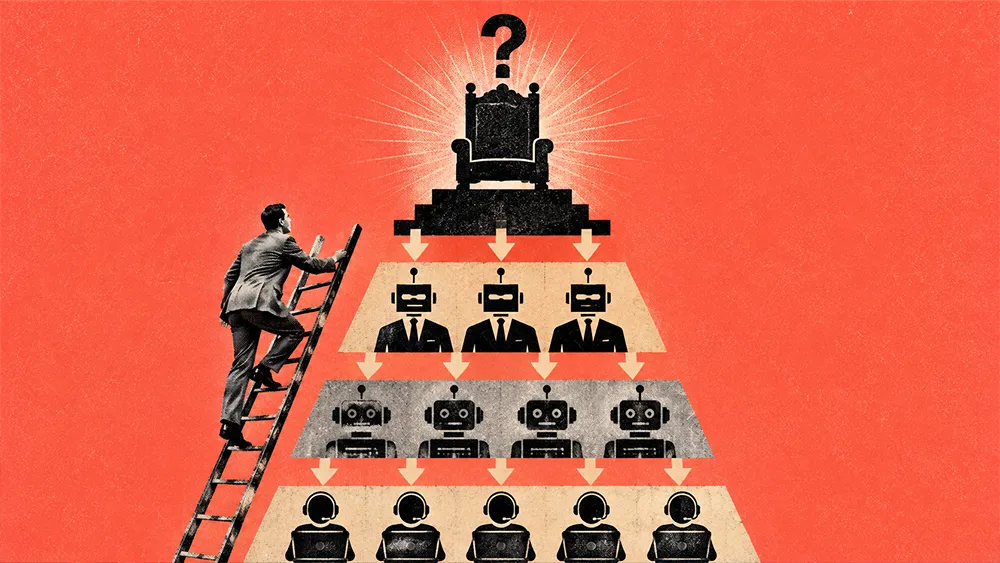
Vikas Krishan, Chief Digital Business Officer at Altimetrik, on why AI governance becomes the velocity layer when banks move past experimentation and confront years of deferred architecture.

A new tier of AI capability arrived this week. So did a new set of questions about who controls what.

CIOnews talked to UF Health's Craig Richardville about the importance of a digital foundation in healthcare, deciding when to build and when to buy, and the new mandate for technology leaders.

Anthony Moisant, Indeed's CIO and CSO, on building AI governance around friction points instead of token dashboards.

Michael Nieves, EVP and Head of Cloud at Capgemini, on why multi-cloud has evolved from accidental sprawl into a deliberate capability strategy driven by AI and business ambition.
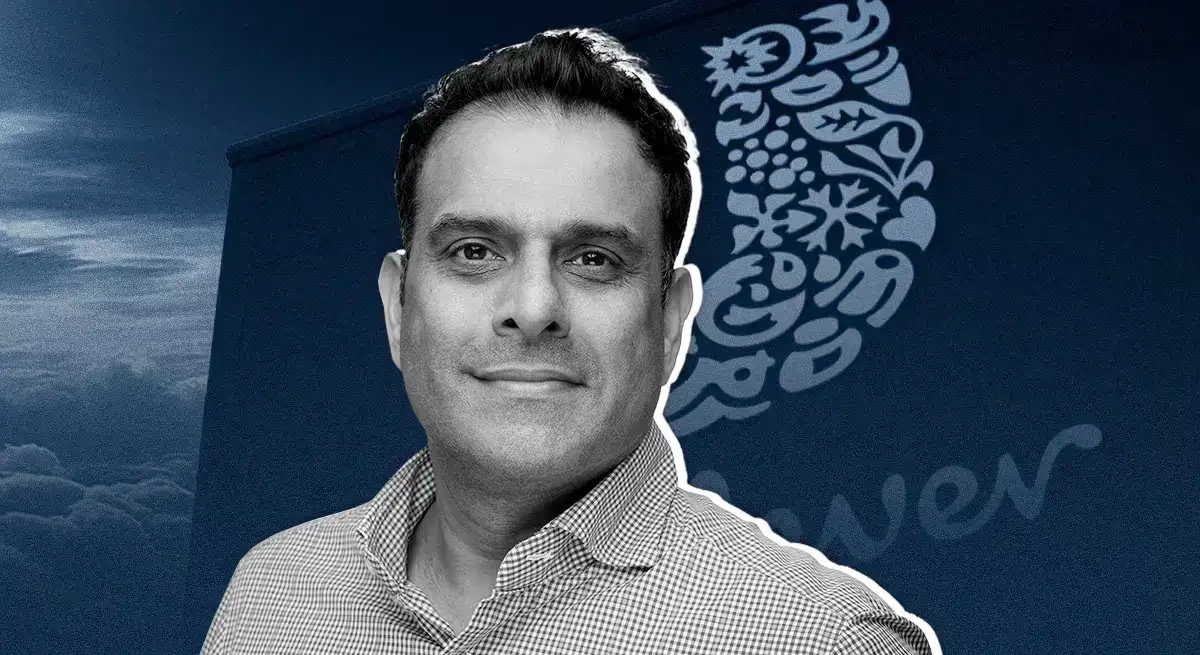
As AI reshapes commerce, Unilever's Prashaant Huria talked to CIOnews about building an AI-centric shopping experience, the importance of APIs, and the CPG giant's data transformation.

Daniel Murphy, Head of SRE at PwC UK, on how AI adoption in regulated enterprises is not held back by budget, but by the operational gap between governance policy and engineering teams.

Aman Sharma, Principal Enterprise Architect AI/ML, on why production AI systems require AI gateways, orchestration middleware, and layer-by-layer observability rather than better prompts.

TCS Generative AI Developer Sai Santhosh Goud Bandari says AI adoption remains slow over security fears, urging risk-based governance rooted in DevSecOps and Zero-Trust.