In The Public Sector, Successful Digital Transformation Makes The Technology Disappear
Divya Rathanlal, CIO of Austin Water, on reframing digital transformation from an IT project into a service design challenge built on trust.

The prevailing narrative about public-sector digital transformation is a technology story: modernize the legacy systems, deploy the AI, move to the cloud, and better government follows. But that framing gets the causality backward. Citizens don't trust a public service because it runs on advanced technology. They trust it because it works, reliably and simply, every time they use it. The most successful transformation efforts are the ones where the technology becomes invisible, receding into the background while the experience it enables feels effortless. This perspective reframes digital transformation from an IT project into a service design challenge, where technology is the enabler and trusted public service is the outcome.
Divya Rathanlal is the CIO and Assistant Director of Technology and Data at Austin Water, the public water utility serving the city of Austin, Texas. From that seat, she leads technology strategy, digital water transformation, cyber-physical security and resilience, data, and digital service delivery for one of the largest municipal utilities in the country. Her work centers on the intersection of technology capability and customer experience, and on the organizational conditions that determine whether transformation initiatives actually improve the services people rely on.
"Technology doesn't create trust. It enables trustworthy experiences. Trust is earned through every interaction citizens have with public services," Divya said. The distinction between technology as a trust-builder versus an experience-enabler runs through everything Divya argues about how transformation should be approached.
Earning trust in the interaction: Divya points out that a resident paying a water bill, starting service at a new address, or responding to a boil-water notice doesn't evaluate the utility's technology stack. "Residents don't care what database you're running or what cloud platform you migrated to. They care whether they could pay their bill or start service in a few minutes without calling anyone or standing in a line. That's the whole measure for them," she said. It's why Divya insists that the measure of a transformation is the experience it produces, not the technology it deploys.
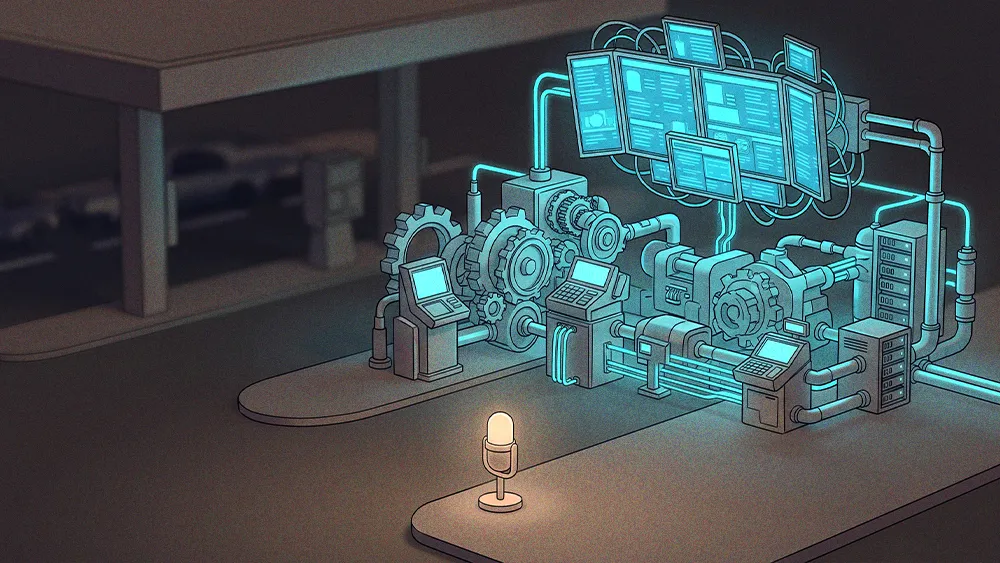
The best technology disappears: In Divya's experience, the more visible the technology is, the more friction it usually introduces. High visibility often means the user has to learn a new system, navigate a new interface, or understand something about how the service works. "The best digital service is one where the customer doesn't even notice the technology. They just accomplish what they came to do and move on with their day. If they’re thinking about the technology instead of the service they’re trying to accomplish, we’ve probably missed an opportunity to simplify the experience," she noted. Divya's view is that sophistication in service of invisibility is valuable, while sophistication that calls attention to itself is often a sign the service was designed around the technology rather than the citizen.
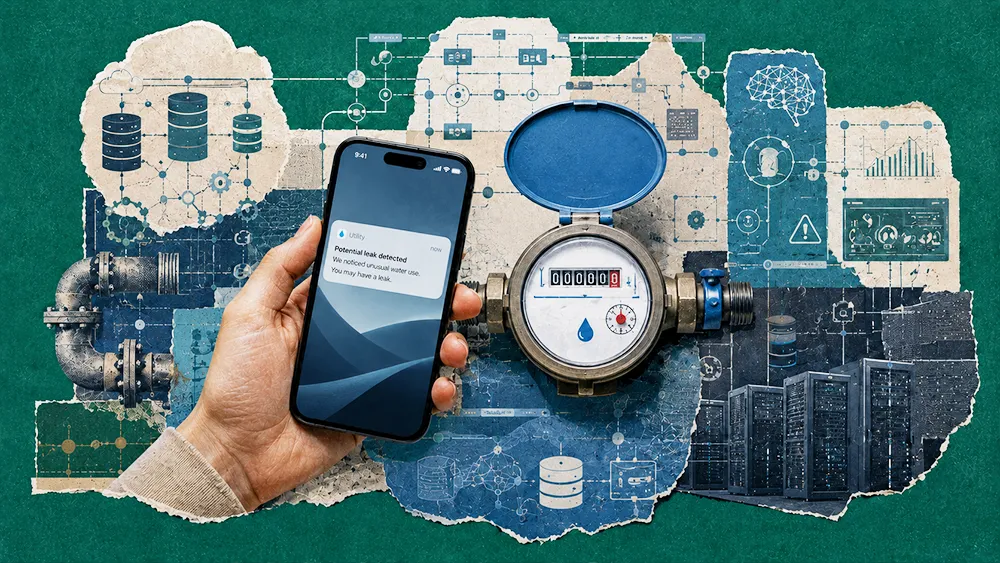
Beyond reliability and simplicity, Divya points to proactivity as the mark of a mature public service. The traditional model is reactive: the resident initiates every interaction, navigating to the right agency and requesting the right thing. A more advanced model anticipates needs and reaches out before the resident has to. "The next level is when we can tell you, 'Your usage spiked overnight and you may have a leak, here's what to check.' The customer didn't have to notice the problem or wait for a high bill to find out. The service came to them. That’s where trust begins to shift from confidence in a transaction to confidence in the institution itself." Proactive service depends on the underlying data and systems being integrated well enough to anticipate a need and act on it, but Divya is careful to frame that integration as the enabler rather than the point. The value the citizen experiences is not the data integration or the metering infrastructure, but the alert that arrived in time to fix a leak before it became an expensive problem.
This is where the invisible-technology principle and the trust principle converge. Proactive service is only possible with strong technology underneath, and it's precisely the kind of experience that builds cumulative trust because it demonstrates that the utility is working on the customer's behalf.
Transformation is an organizational design challenge: Because trust lives in the interaction, Divya believes transformation should be led as a service design effort rather than a technology deployment. The questions that matter most are about the customer's experience, and the technology decisions follow from those answers. "You start with the customer's journey, not the technology roadmap. What are they trying to do, where does it break down, where do they get frustrated or give up? Then you figure out what technology solves that," she explained. "Invisible technology doesn’t happen accidentally. It is intentionally designed through architecture, governance, and collaboration so citizens experience simplicity while the complexity remains behind the scenes."
The right order of operations: The sequencing matters because it determines what the project optimizes for. A technology-first initiative optimizes for the capabilities of the system. A service-design-first initiative optimizes for the resident's experience, and uses technology as the means to improve it. "Too many projects start with the technology and try to fit the customer into it instead," she said. The reordering also changes how success is measured. Instead of measuring whether the new system was deployed on time and on budget, the relevant measure becomes whether the service is faster, simpler, and more reliable than what it replaced.
Divya is clear that delivering seamless customer experiences is as much an organizational challenge as a technical one. The silos that separate government departments are often the source of the friction citizens experience, because a task that feels like one thing to a resident may cross several organizational boundaries behind the scenes. "The resident sees one government. They don't see the org chart. But when the departments don't talk to each other, the citizen feels it, because they're the one who has to carry information from one office to the next." Delivering the seamless experience therefore requires the organization to coordinate across those boundaries, so that the complexity stays behind the scenes rather than being passed to the citizen
The consistent thread Divya comes back to is that technology is necessary but never sufficient. Technology enables. Service delivers. Trust endures. The systems, AI, cloud platforms, and data are essential enablers but citizens remember the experience, not the architecture behind it.

If this caught your attention, that’s not accidental.

The best editorial systems don’t happen by accident. Outlever builds them.