.svg)

Inside WIN Brands CIO’s ‘Disagreement By Design’ Framework For Cross-Org Stakeholder Parity
Dr. Ken Knapton, CIO at WIN Brands, on how structured friction, tech debt triage, and a 22-minute neuroscience rule shape his approach to conflict management.
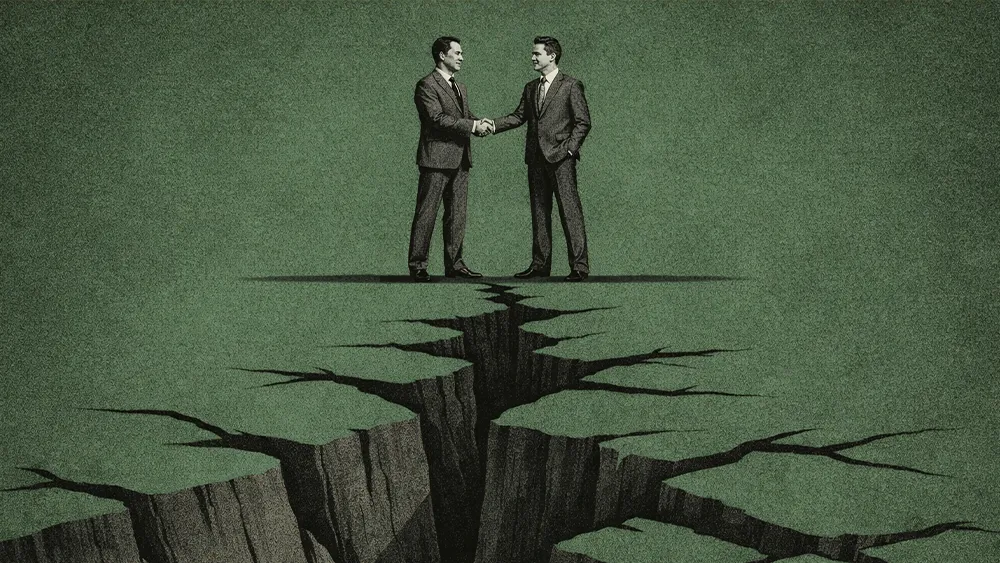
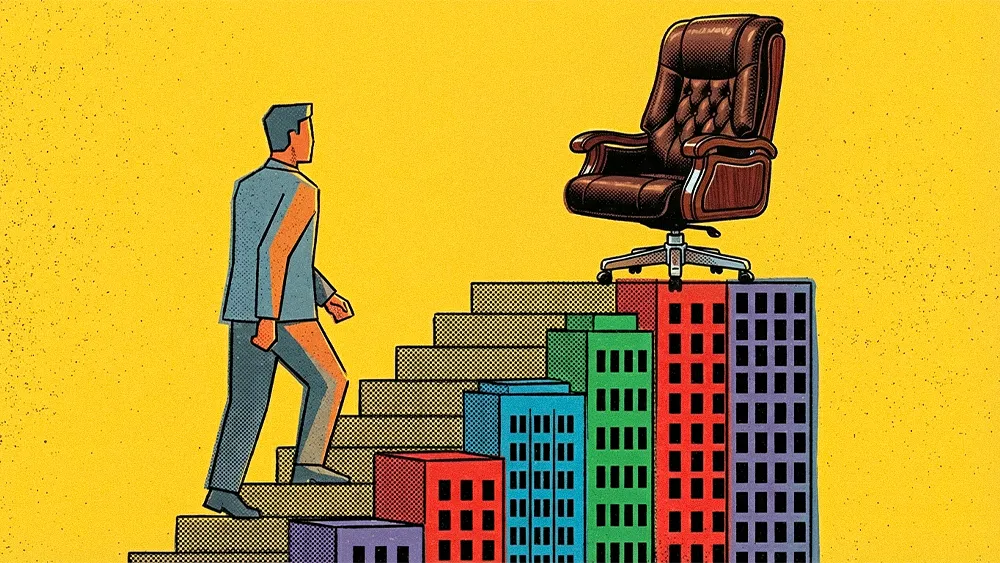
Conflict avoidance in engineering teams stifles independent thinking and allows flawed architecture decisions to pass unchallenged, quietly compounding into technical debt.
Dr. Ken Knapton, CIO at WIN Brands, outlined a leadership framework for turning routine disagreement into a structured tool that prevents bad technical decisions from taking root.
He pointed to the biological reality of fight-or-flight responses in heated debates, calling for pauses that let teams return to logical, depersonalized decision-making.


Constant agreement inside technology teams is rarely a sign of alignment. More often, it signals that no one feels comfortable pushing back. The compliant culture frequently mistaken for politeness actually limits independent thought and prevents teams from reaching the best technical solution. For CIOs navigating high-stakes architecture decisions and competing technical opinions, conflict intelligence and the ability to cultivate healthy, depersonalized friction is becoming a leadership requirement, not a cultural nice-to-have.
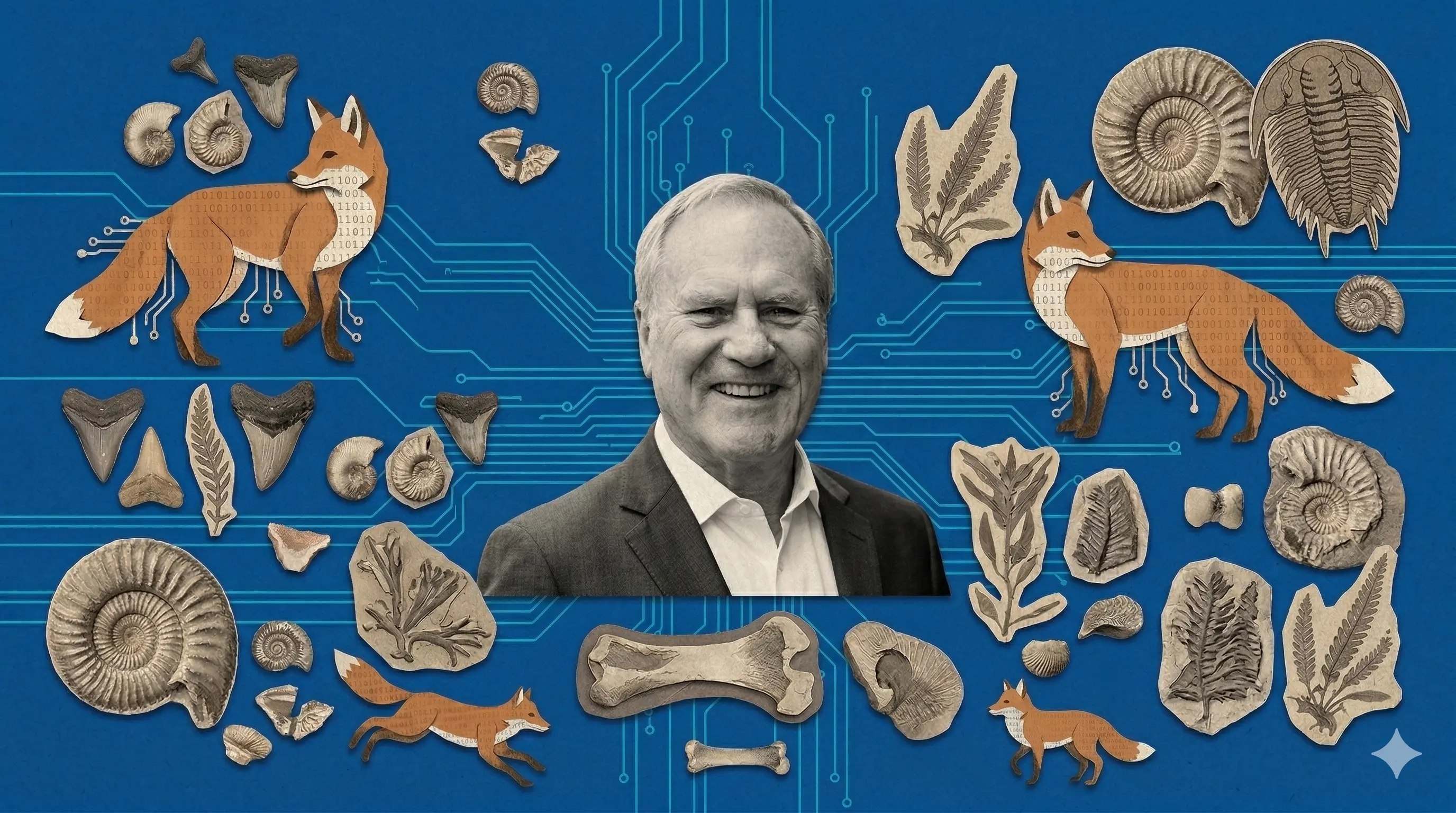
Dr. Ken Knapton has spent nearly three decades building and running enterprise technology organizations, and currently serves as CIO at WIN Brands, the parent company behind Costa Vida and FatCats. He has held CIO roles in banking and healthcare, and as a software engineering manager and lead architect at Intel, built the LANDesk VirusProtect product line, which Symantec later acquired and marketed as Norton Anti-Virus Corporate Edition. For Knapton, the value of managed disagreement is practical: it keeps bad technical decisions from quietly turning into expensive tech debt.
"The real problem in organizations today isn't conflict, it's the avoidance of conflict," Knapton said. The instinct to avoid friction, he explained, runs deeper than office politics. It limits the free flow of ideas teams need to reach the strongest technical solution, and it turns routine differences of opinion into moments people would rather sidestep than work through.
The avoidance problem is especially acute with junior talent. When younger developers don't feel comfortable challenging architecture decisions, flawed ideas pass unchallenged and high-stakes initiatives that demand objective scrutiny get waved through on passive compliance instead.
The echo chamber tax: "Especially the young generation coming into the workforce, they don't want to disagree with their boss," Knapton noted. "They want to just go along to get along. And that's not in the best interest of the company." The pattern is self-reinforcing: the longer junior team members stay silent, the more normalized compliance becomes and the harder it is for anyone to surface a dissenting view.
Agreeing to fail: "If two people always agree, then only one of them is doing the thinking. You have to express your opinion, and there has to be a safe environment to disagree," Knapton explained. "Disagreement doesn't have to turn into negative conflict. You're expressing a differing opinion, and that's how you get to the right answer." Creating that environment, though, requires leaders to recognize when professional disagreement starts tipping into something personal.
That personal dimension is most visible in technology debates where engineers have spent years building expertise in a particular stack. The challenge for CIOs is intervening before identity overtakes analysis, applying intelligent choice architecture to structure dissent or building guardrails to keep the debate focused on risk and outcomes. At scale, that same instinct drives the shift toward enterprise-wide orchestration that replaces individual technology preferences with governed, standardized decision frameworks. But public meetings can become counterproductive venues when egos are already engaged, forcing leaders to find a different path to resolution.
Maslow's IT hammer: "Often, people get their personal value tied up with whatever their favorite technology is," Knapton observed, pointing to historical debates like Java versus .NET or modern clashes over cloud versus on-premise. "When that happens, then you turn into the hammer where everything looks like a nail." The instinct to defend a familiar platform is natural, but it narrows the field of options at exactly the moment a team needs the widest view.
Ctrl-alt-defuse: "Sometimes it's just important to say, look, we're going to table this in this meeting. We'll come back to it next week," Knapton explained. "Then sit down with those individuals one-on-one. Help them understand that this is not a personal assessment. It's not a personal attack. It's just: here's how I'd like you to think about the problem when we come back and talk about it again." Moving the conversation to a private setting lets leaders hit the reset button, stripping away the performative pressure of a group audience and lets leaders establish repeatable decision criteria without anyone losing face.
But not every disagreement warrants that level of intervention. Taking an empathetic approach can introduce a natural speed limit, and a CIO who paused every heated meeting for a psychological check-in would quickly stall execution. To balance speed against certainty, experienced leaders learn to read the weight of a decision, gauging whether the long-term consequences justify deeper debate or whether the business is better served by making a call and moving forward. That triage instinct becomes even more critical as organizations layer AI governance frameworks on top of existing decision structures, where the cost of unchallenged assumptions compounds faster than it does in traditional architecture debates. Knowing exactly when to walk away from a failing initiative and when to silence the noise is the difference between productive friction and wasted time.
Paying the polite tax: "What we don't want to do is make a decision that's going to turn into tech debt that will hold us back because we made a bad decision," Knapton pointed out. "So we have to recognize those things, and sometimes we have to debate that a little bit more to say, look, what are the long-term consequences of this particular decision?" Technical debt is the gauge: if the consequences compound over time, the debate has earned its airtime.
Speed over purity: "There are other times when we'd say, look, consequences here really aren't that big. And so we don't have to take the time to debate it," he added. "We have two good solutions, and we can pick one. And not allow the conversation to get to the point where we're in that deep negative conflict." Knowing when to make that call is less about a formula and more about a leader's read on what is actually at stake," Knapton suggested,
There is also a biological reason to hit pause. Knapton pointed to research from performance psychology expert Craig Manning on the physiological flooding that occurs during intense arguments. When someone who has spent twenty years with a particular technology feels that expertise challenged, he noted, the stress response mirrors a physical threat and objective reasoning shuts down. In that reactive state, the debate is no longer about the best solution. It is about self-defense, and continuing to argue changes nothing, which is why Knapton prefers to pause and revisit the discussion later.
"Once our mind gets into that fight or flight, science has proven that it takes twenty-two minutes to actually come back out of that and get back to a place where we can think logically," Knapton described. "We need to pause and come back after lunch or the next day. Because they literally require that twenty-two minutes to get back down out of that fight-or-flight and get to where they can actually think about something logically again."