Federal E-Rate Debate Raises The Stakes For School Security And America’s Future Workforce
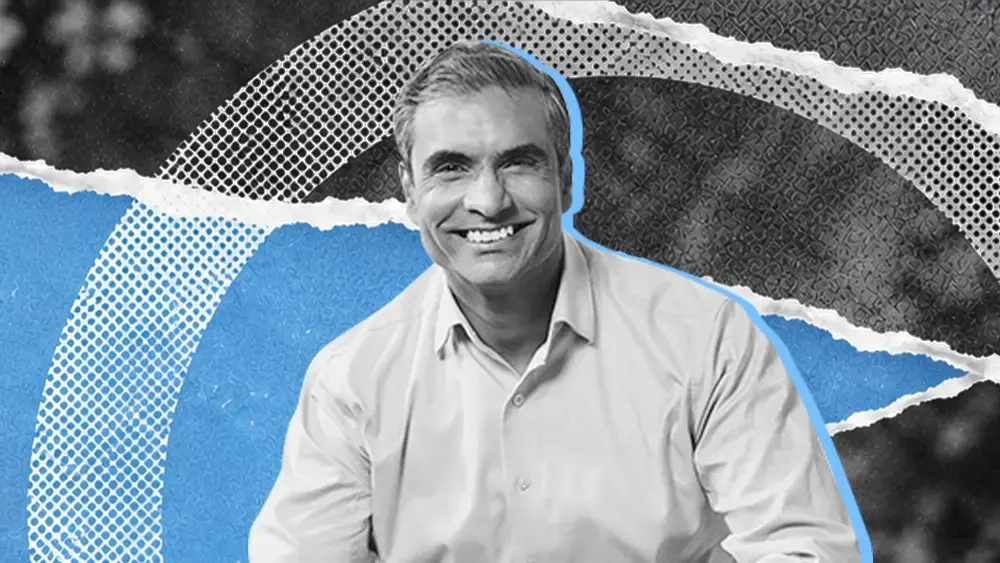
Philip Neufeld, Executive Officer of IT at Fresno Unified School District, on why school networks underpin access, security, and workforce readiness.
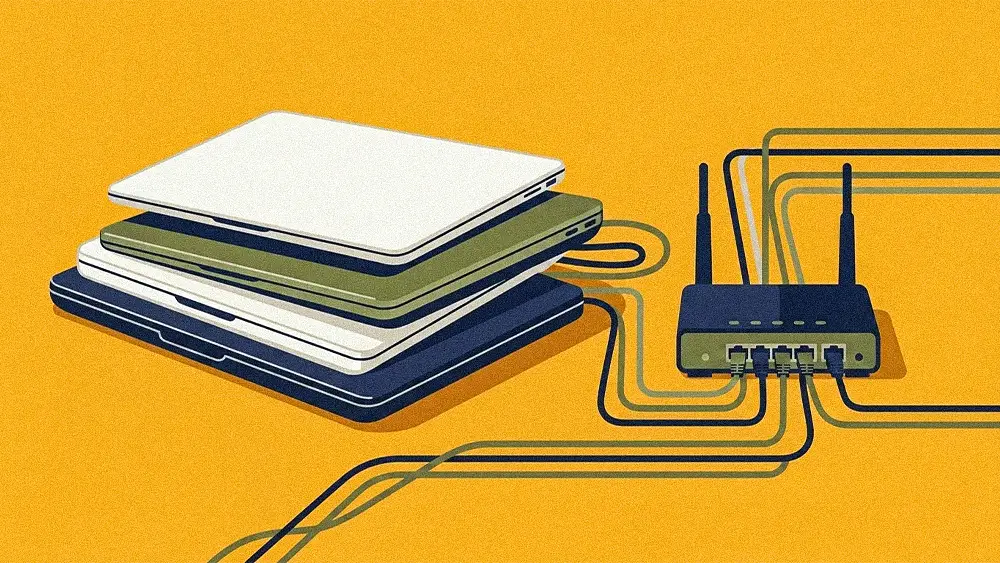

The best public technology is invisible right up until the invoice gets questioned. School and library networks now carry instruction, building systems, physical security, and AI tools, and they run so reliably the people funding them stopped noticing. Now the invoice is in question: the FCC is weighing whether to reform, restrict, or end the roughly $3 billion E-rate program.
Philip Neufeld is the Executive Officer of Information Technology at Fresno Unified School District, where he has run IT since 2014 across one of California's largest districts: more than 110 campuses, 72,000 students, and tens of thousands of managed devices. He holds a doctorate in educational leadership, was CTO of an agricultural data company earlier in his career, and sits on a financial institution's board. He sees the E-rate debate through all three lenses: student opportunity, infrastructure resilience, and economic risk.
"How are kids going to experience AI, master it, and use it effectively if they don't get to use it in their regular learning? Without good connectivity in schools and libraries, millions of students don't have an alternative," said Neufeld. The problem is that reliable infrastructure becomes easiest to overlook once people can depend on it.
Thankless until it breaks: “I used to tell my network team, ‘When we’ve done our work well, no one’s going to say thank you anymore,’” Neufeld says. A principal later confirmed his point: nobody thanks the network team when the network always works. But Neufeld has seen the alternative. When he arrived at Fresno Unified, failed line cards had already been pulled from the district’s core routers. “If one of them failed, you might take multiple schools down at once, and those schools would be down for days.” The disruption would extend well beyond instruction. Environmental management and security systems travel across the same network, reflecting the operational dependency every connected organization now carries.
The homework gap comes home: Millions of students in low-income and rural communities leave school for homes without reliable internet, the American face of the digital divide in education. Their filtered, managed school devices got swept into the national fight over classroom technology, and the FCC already rescinded the rules funding take-home hotspots. Neufeld found the child-safety logic backward. "We either relegate the most vulnerable students to not being prepared for the 21st century, and by the way, we're in 2026, or we send them off to an unfiltered, unsafe environment. What CIO in the workplace today would say, 'let's just let everyone run wild'?"
His seat on a financial institution’s board gives Neufeld a different view of his district’s infrastructure: not only as an educational necessity, but as part of a much larger cybersecurity perimeter.
The weak link has 80,000 laptops: "The greatest risk is no longer China and Russia. Once you put in a next-generation firewall, that's mostly done. It's the school down the street that you trust. It's the library down the street that you trust," Neufeld said. "We've got 80,000 laptops and two 100-gig connections out. Those are huge pipes. If I'm a bank, I'm nervous about cybersecurity from our schools." The FCC runs a cybersecurity pilot for schools and libraries, but a public sector security mindset starts with current, funded gear.
Refresh or rot: Leased fiber gave Fresno Unified 20 to 100 times its 2019 speeds on resilient rings, saving taxpayers an estimated $41 million over 20 years by his math, and the service still bills annually. Access points age out, densities rise, and infrastructure risk lands on technology leaders whether they budgeted for it or not. "If you have routers and switches that are really old, at some point they don't get patches anymore," he said. "When they don't get patches, it's a national cybersecurity risk," the drift federal security thinking no longer tolerates.
What the network carries next raises the stakes. "Machine learning and adaptive learning have been driven by AI for a long time. Large language models bring even more zest to that," Neufeld said. "If K12 isn't using those tools effectively, our kids aren't going to show up ready for college or career." Education CIOs already treat AI as a force multiplier, and connected classrooms show why. "That multidimensional immersive experience makes you learn faster, you're more engaged, and you'll show up to school because it's more enriching. And all of that can be personalized to every kid. A beautiful thing."
The advocacy can't stay inside education, he argued. Executives keep telling him they can't find enough trained talent domestically, and that pipeline starts in classrooms that either have modern infrastructure or don't. "This should be a completely bipartisan, red, white and blue true north," Neufeld said. "This infrastructure leads to better prepared students for all the different roles they'll have in society. That's what every executive should care about. It's going to create the consumers and producers that keep our economy going."

If this caught your attention, that’s not accidental.

The best editorial systems don’t happen by accident. Outlever builds them.