Healthcare IT Moves Beyond Interoperability Toward A Human-Centered 'Harmony' Model
Valleywise Health CIO Stephanie Hines reframed healthcare IT as a human system, pushing past interoperability to reduce friction, burnout, and restore clinician–patient connection.

Healthcare IT spent years chasing interoperability, and in many ways, it won. Standards like TEFCA made it possible for systems to talk to each other at scale. But once the pipes were connected, a harder truth emerged: data flow alone doesn't ease clinician burnout or improve the lived experience of care. Now, progress hinges less on whether systems can exchange information and more on whether that connection actually helps the people using it.
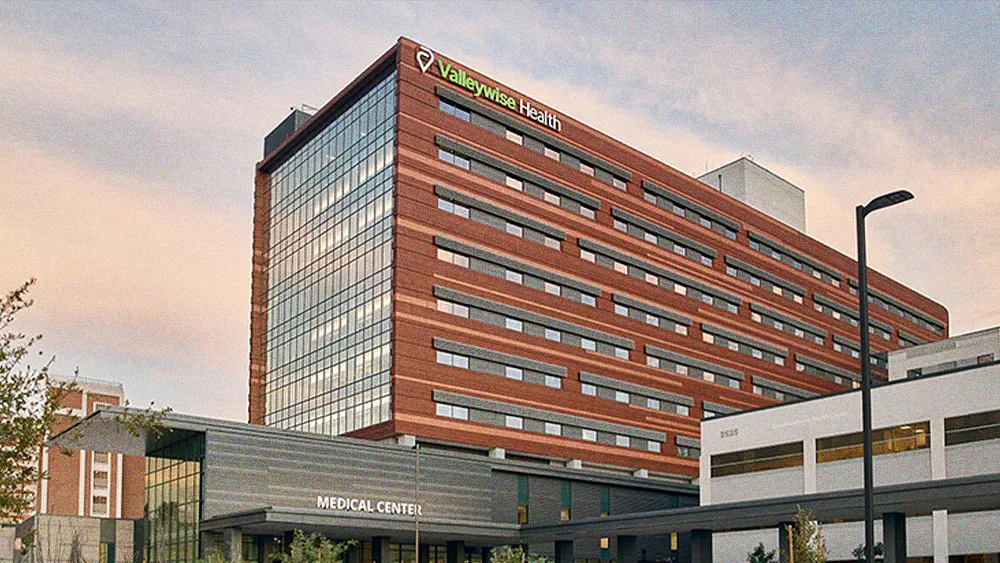
Enter Stephanie Hines, the Senior Vice President and Chief Information Officer at Valleywise Health. A seasoned executive with leadership experience at major health systems like Intermountain Health and Atrium Health, Hines is also a Registered Nurse and a Certified Healthcare CIO. But Hines isn't your typical CIO. She didn't start as a nurse who learned IT; she was a programmer and architect who made a mid-career pivot to become a nurse. Her unusual journey gives her a rare bilingual command of both worlds, bridging the credibility gap that often separates clinical and technical teams. She’s championing a move beyond interoperability to something she calls "harmony."
"Interoperability is about connecting systems. Harmony is about the collective experience of the people using them, and whether that experience is actually meaningful," said Hines. That distinction reframes the entire goal of healthcare technology. When systems create friction, clinicians become so "cognitively burdened with complex systems that don't work well together" that they can’t focus on their patients. This friction gets in the way of the clinician-patient relationship because people are no longer connecting to the purpose that brought them into healthcare in the first place. The future, she believes, lies in designing a collective experience where technology actively supports the people who use it.
The engagement dividend: But a human-centric focus challenges traditional productivity metrics. Hines advised leaders to adopt a more holistic, long-term view of ROI that accounts for the real, often unmeasured, costs of burnout such as lost productivity from open positions and the expense of recruiting providers. The business case for harmony, she said, is found in the upside of engagement. "When systems stop getting in the way and everything clicks, people work differently. They’re more focused, more confident in what they’re contributing, and better positioned to succeed. That energy translates directly into better care and more sustainable performance."
Leadership on foot: To achieve this, Hines pointed to a leadership strategy that uses proximity to build a foundation of trust. She is formalizing this with quarterly strategy sessions to discuss pain points and goals, but insisted that the true work of change management happens through "old-fashioned relationships." It’s this trust, built on an understanding of clinical reality, that forges deeper alignment and buy-in. "You can't sit in an office. You have to be out and about. You have to be on the units," she insisted. "You have to hear the voice of the customer that you are serving, understand it, and be able to share that back."

If this caught your attention, that’s not accidental.

The best editorial systems don’t happen by accident. Outlever builds them.