Key Points

  • Many CIOs still treat transformation as a technology problem, despite projects failing most often when leaders misjudge business realities and the human limits of change.

  • Paulo Sa, former CIO Iberia at DB Schenker, explained how his career across operations, business development, and product management shaped a business-first, people-aware approach to technology leadership.

  • He showed that lasting impact comes from pairing commercial understanding with servant leadership, staying a half-step ahead on innovation, and letting transformation move at the speed of people.

For today’s Chief Information Officers, the job isn’t about being the most technical person in the room. It’s about understanding the business well enough to make clear, grounded decisions about where technology truly adds value. The CIO role now sits at the board level, shaped by judgment, context, and a close grasp of commercial reality.

Paulo Sa's career offers a case in point. Over 18 years at global logistics leader DB Schenker, he moved deliberately through operations, business development, and product management before stepping into the CIO role for Iberia. That progression shaped Sa as a leader who approaches technology not as an end in itself, but as a practical tool grounded in how the business actually runs, competes, and delivers value.

"The modern CIO is, first and foremost, a business leader. Technology is the lever, of course, but a deep understanding of the business is what truly defines your impact," said Sa. But for him, that business-first philosophy is matched by a commitment to the human side of leadership. As a servant leader, his main function, he said, is to enable his people.

  • People power: He explained that digital transformations often fail when they ignore the human capacity for change. Leaders must provide the psychological security for teams to admit their needs and limitations. Ignore that, and you'll find people hiding problems and creating "parallel tasks" to survive, making failure all but inevitable. "Digital transformation occurs at the speed of your people," Sa explained.

  • PowerPoint vs. reality: That human-first view carries directly into how Sa thinks about execution. Without a clear understanding of how the business actually operates, even the most polished strategies break down the moment they move off the slide deck and into the real world. "Understanding how you make money, what your pain points are, and how you differentiate is what makes the difference when you actually implement technology," he noted. "Many things look nice in PowerPoints, but when you want to implement them, they don’t work if you don’t understand the business."

"The modern CIO is, first and foremost, a business leader. Technology is the lever, of course, but a deep understanding of the business is what truly defines your impact."

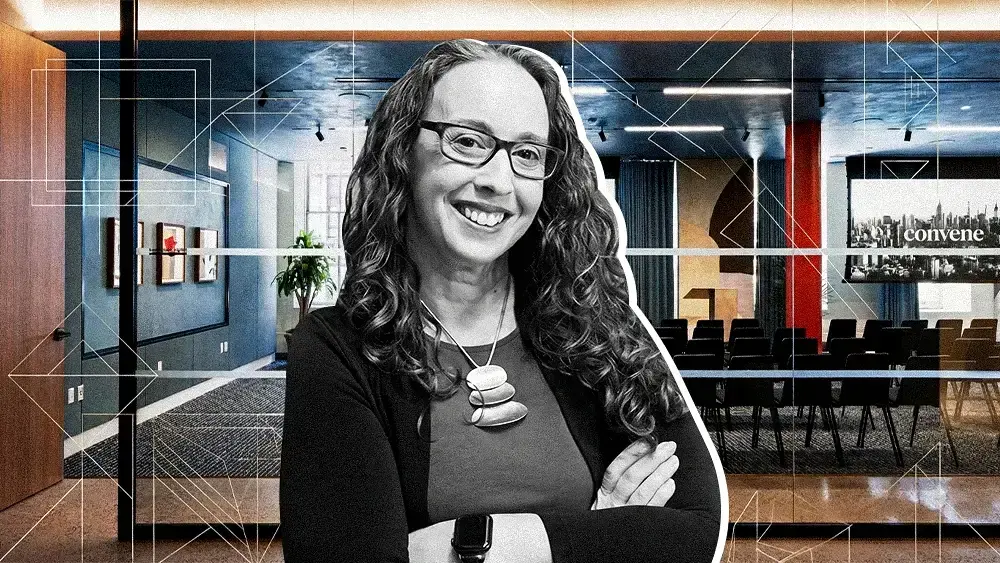
Paulo Sa

CIO Iberia
ex-DB Schenker

To ground innovation in returns, Sa adheres to a rule he learned from a mentor: stay just a half-step ahead of competition. It’s a perspective that fuels a disciplined approach to new trends, defined by a healthy skepticism of buzzwords and a focus on tangible returns. That view provides a powerful lens for today’s biggest movements, including AI, which he compared to previous hype cycles.

  • Pragmatic progress: "We must be just a half-step ahead of the competition to deliver new solutions that can return the investment to the company. We are not in the business of R&D; we don’t need to be too far ahead of reality." For Sa, that mindset also keeps new technologies in historical context rather than treating each wave as unprecedented. "AI is a very important transformational technology, but it’s nothing different from what we had to do during the last twenty years. We remember the dot-com boom, and so on. If you understand your business, you will make better decisions about what you should implement."

  • Under pressure: A major test of this business-first pragmatism came in 2021, when Sa’s team was asked to launch a large-scale e-commerce operation for a major sports brand under extreme time pressure. The scope was significant, spanning API integrations, more than 200 autonomous guided vehicles, a new warehouse, and an entirely new team, a project that would normally take at least a year and a half. "All the guidelines said this type of operation needed far more time," Sa said. "The customer’s condition was simple: it had to go live in nine months." It was the project he called "the impossible that we made possible," a testament to a leader who created the conditions for his team to deliver against commercial constraints.

After nearly two decades, Sa’s decision to look for a new professional challenge reveals his identity as a leader driven by a deep curiosity for business itself. As new waves of technology like the agentic transformation continue to emerge, his experience shows that understanding the people who use technology is a more durable strategy than mastering any single platform.

For many modern leaders, the focus on developing equal fluency in people, behavior, and business reality is a key to building lasting impact. "Keep your passion for technology, but earn a passion for people," Sa concludes. "A successful CIO must understand that while it's fundamental to know the latest technologies, it is far more important to love understanding the behavior of teams and how they evolve over time."