Key Points

  • Many organizations struggle because top-down leadership misses the honest feedback and learning needed to guide real change.
  • Ariel Spak, VP and International CIO at Aramark, joined CIO News for an interview to explain why bottom-up feedback, psychological safety, and visible vulnerability are essential to effective leadership.
  • He defined the path forward as acting on criticism, modeling continuous learning, and building a culture where employees develop a corporate entrepreneurship mindset.

In most organizations, leadership is a one-way street, with directives moving from the executive floor to everyone else. A different leadership model flips that script, built on the belief that the most valuable feedback comes directly from the people closest to the work. But the bottom-up model requires more than a simple open-door policy. It depends on a culture of psychological safety, where leaders build intentional systems to surface honest feedback from the front lines.

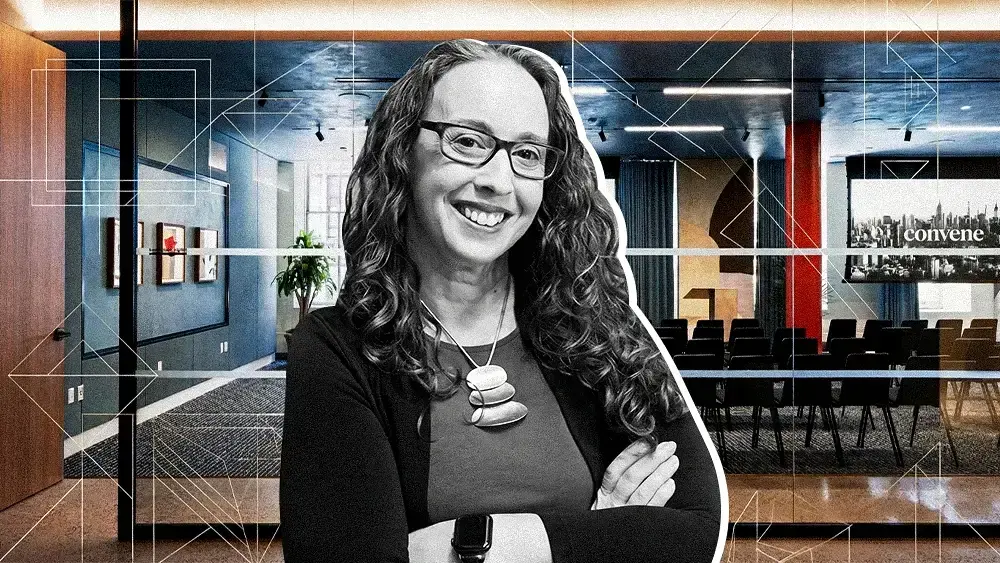
Ariel Spak is the Vice President and International CIO at Aramark, where he oversees technology strategy for a $5B business across thirteen countries. With more than two decades of experience in finance and digital transformation, including senior leadership at Microsoft, he has come to believe that the modern CIO’s role extends beyond implementing systems to cultivating a culture where honest, unfiltered feedback becomes a core asset for growth.

"The best feedback I ever received came from my team, not from my managers. When you create a safe space for people to speak openly, that is when you get the most honest feedback," said Spak. But creating that safety requires more than just listening. Leaders have to prove they’ll act.

  • To be honest: "You cannot ask for honesty and ignore what comes back. When you open that door, you need to be prepared to change course," Spak noted. Acting on feedback becomes a way to build trust by turning input into tangible improvements. That might mean redesigning a weekly meeting the team considers a waste of time or apologizing when someone failed to receive the support they needed. The key, he said, is that the leader sets the tone.

  • Under the rug: The foundation for that honesty is vulnerability. "If you want that behavior to happen and you want your team to provide you feedback, you probably need to start by proactively providing feedback about yourself in front of them," Spak advised. Not only does it build rapport, but it also acts as a practical way to manage risk. As Spak pointed out, "The worst you can have is a culture where people try to hide mistakes, because that usually leads to compliance issues and underperformance."

"The worst you can have is a culture where people try to hide mistakes, because that usually leads to compliance issues and underperformance."

Ariel Spak

Vice President and International CIO
Aramark

That culture of vulnerability also creates the ideal conditions for continuous learning. A leader who openly admits they don’t have all the answers is then positioned to model the behavior of actively seeking them. Spak shows his team that learning is a perpetual activity, integrated into daily work. He shared his own journey, from taking an advanced management program to getting his hands dirty with the same tools his teams are using.

  • CIO in the code: "I'm learning how to use Copilot in Excel and how to do Python coding. People might question why a senior leader is focused on this, but the only way to understand these tools is to use them," Spak stated. "Today, learning means trying things, getting them wrong, and improving through practice. It's important that you have a lifelong learner mentality."

The lifelong learner mentality is quickly becoming an essential business skill. As AI adoption accelerates, the industry is shifting from experimentation to real implementation, introducing a new challenge for leaders. They must not only prepare their teams to use these tools but also create enough structure to ensure the adoption actually happens.

  • Get the ball rolling: Spak compared this moment to early corporate diversity efforts, where an initial push was sometimes necessary to create long-term cultural change. "Maybe with these new technologies, we need to push more to the point that if you do not use them and show that they help you be more productive, it will affect your performance," he suggested.

  • 2026 ROAI: "I think 2026 will be the year where it is less about running more pilots and more about real, cross-company solutions that show measurable value from these AI technologies. Very few have moved from pilot to a proven solution with a clear return on investment." For Spak, that shift only works when organizations start with real business problems rather than tools. AI becomes part of the solution once the need is defined, not the other way around.

Ultimately, these ideas—bottom-up feedback, vulnerability, and continuous learning—all point to a single concept Spak believes will define the most valuable employees of the future. He suggested an employee's relevance will come down to a specific mindset that builds upon their technical skills.

"If you're someone that is simply trying to achieve the goals that were set for you, in the next few years, those roles will no longer exist. The roles that will continue to be relevant are the ones that innovate, that create, that are entrepreneurs within the company and use all these technologies as a tool." That spirit, he insisted, is a skill that can be developed. "It's a mindset. The entrepreneurial spirit can be taught, and you can improve in that regard," Spak concluded.