How Transformational Tech Debt Is Silently Undermining Your ERP Modernization Initiative
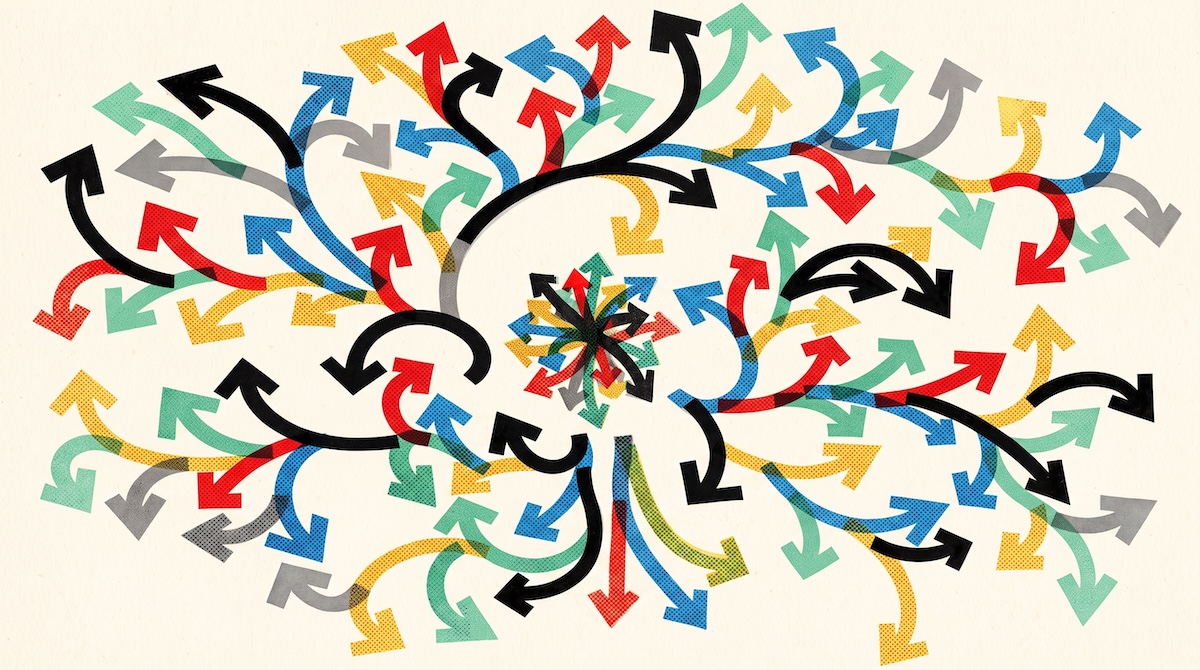
Nicholas Jackson, Vice President of ERP and Supply Chain Systems at Novolex, described how transformational debt accumulates when new technology lands on processes that were never redesigned.


Billions are spent on ERP modernization every year, yet successful implementations that fail to deliver business value remain a persistent feature of enterprise technology. Tool selection drives most modernization programs before anyone has defined the desired business outcomes. The result is modern technology layered on top of legacy processes, data structures, and operating models that were never redesigned.
Nicholas Jackson, Vice President of ERP and Supply Chain Systems at Novolex, has spent more than two decades leading enterprise technology strategy and large-scale digital transformation programs across global manufacturing, chemical, and CPG organizations. He has held senior IT leadership roles at companies including H.B. Fuller and Delta Faucet Company, where he directed complex ERP and cloud modernization programs at enterprise scale. Drawing on years of front-line experience with this disconnect, he points to a pattern that most organizations don't recognize until it's already costing them.
"We've talked for years about technical debt. We've not really talked about transformational debt, which is when the tools are there, but the business hasn't abandoned its old processes or old ways of thinking," said Jackson. That debt, he said, is the cost of transformation that happened in name only.
Transformational debt accumulates when IT-led initiatives, disconnected from business outcomes, expose deep-seated process inefficiencies and data breakdowns. The result is a modern system layered on top of a business redesign exercise that never happened. The symptoms are obvious if you know where to look, often starting with users clinging to legacy processes, but the most telling signs emerge when automation somehow leads to more work.
Truth by spreadsheet: The persistence of legacy reporting tools is one of the clearest signals that a transformation stalled before the business changed. "The classic example is deploying a new reporting package only to find that old spreadsheets still linger. Arguments erupt over trusting the new system, yet the old report from cobbled-together Excel junk is somehow treated as the source of truth," Jackson said.
Automated inefficiency: The clearest measure of transformational debt is what happens to headcount. "The debt reveals itself after a period of stabilization, when the business is still inefficient, or even worse, is adding headcount to complete the same process as before. This creates a fundamental disconnect between the transformation's promised value and the actual reality," he added.
Jackson sees the answer in "outcome-first ERP transformation." At its core, this approach is built on a fundamental change in mindset, where the focus becomes removing waste to create truly "frictionless and touchless" processes. It's a deeper goal than answering superficial questions like, "How do I sweep the floor faster?" He uses the self-checkout lane as a useful analogy for a successful transformation. The vision was a better checkout experience, the process was redesigned for self-service, and only then was the technology deployed. The same logic extends to how organizations approach their underlying architecture and integration governance.
First things first: He described the sequence as non-negotiable regardless of which technology is involved. "It must start with a vision of where you want to go. From there, you define the future-state business processes needed to make it happen. The technology is the final piece," he said. "It doesn't matter if it's AI, cloud, or anything else; that stack must serve the process, which in turn must serve the vision. That is the connection."
Problem, relocated: Jackson applied this same logic to modern enterprise architecture, questioning the popular trend of "headless ERP," where some companies attempt to modernize around an old, inconsistent core. He said this approach ignores the foundational importance of a consistent data model, rendering even the most advanced AI and agentic workflows ineffective. Attempts to build for long-term agility while ignoring the core are counterproductive. "Ultimately, a single, consistent data model in a modern repository will always win over an old system where you haven't solved problems, you've just moved the failure points to the interfaces," he said.
Clean your room: In a sprawling modern enterprise running dozens of SaaS platforms, Jackson said the answer is simple hygiene, not heavy governance. "Good API management and basic architectural health and hygiene are the true tenets of a good enterprise architecture program. Instead of implementing a heavy governance structure, it's about simple housekeeping in your tech stack to avoid accruing more technical debt," he said.
For Jackson, the architectural discipline he described is ultimately about readiness for what comes next. He said the cloud has become the "fundamental backbone of enterprise architecture," providing the flexibility needed to absorb the data growth that modern systems generate. "As these systems grow, they generate more data and require more analysis. Because of this, scalability is more critical than ever and must be a fundamental component of the enterprise architecture," Jackson said.

If this caught your attention, that’s not accidental.

The best editorial systems don’t happen by accident. Outlever builds them.