CIOs Shift From Gatekeeping To Guardrails As They Assess Their Company's Threshold For 'Safe Velocity'
Carol Hall, Founder of Hall CIO Consulting, on why the modern CIO must shift from a gatekeeper role to one of architecting safe velocity that matches their company's appetite for risk-reward balance.


AI tools are entering the enterprise with the swipe of a credit card. In minutes, a team leader can adopt a new platform without IT's knowledge, let alone its review. Traditional governance pipelines are not designed for this velocity. But when oversight cannot match the pace of adoption, business units move forward without it. Modern CIOs are responding by building flexible guardrails that protect security and data privacy without throttling the pace of business.
Carol Hall is the Founder and Principal of Hall CIO Consulting, which provides fractional CIO services for law firms and growing organizations navigating AI adoption and infrastructure modernization. Hall previously served as CIO at Berry Law and held technology leadership roles at Children International and Polsinelli, an AmLaw 100 firm. Her practice focuses on helping leadership teams move from reactive IT decisions to intentional, governed strategy.
"The role of the CIO has really changed, and now the primary focus must be to act as an 'architect of safe velocity,'" said Hall. "The biggest leadership challenge right now is not technology. It's the speed of technology decisions." For her, that means enabling the business to move quickly within a structured environment that manages risk, integration, and long-term complexity.
The shift redefines how technology leaders engage with the rest of the organization. Where IT once controlled access to new tools, the modern CIO builds infrastructure that lets business units move independently within defined boundaries.
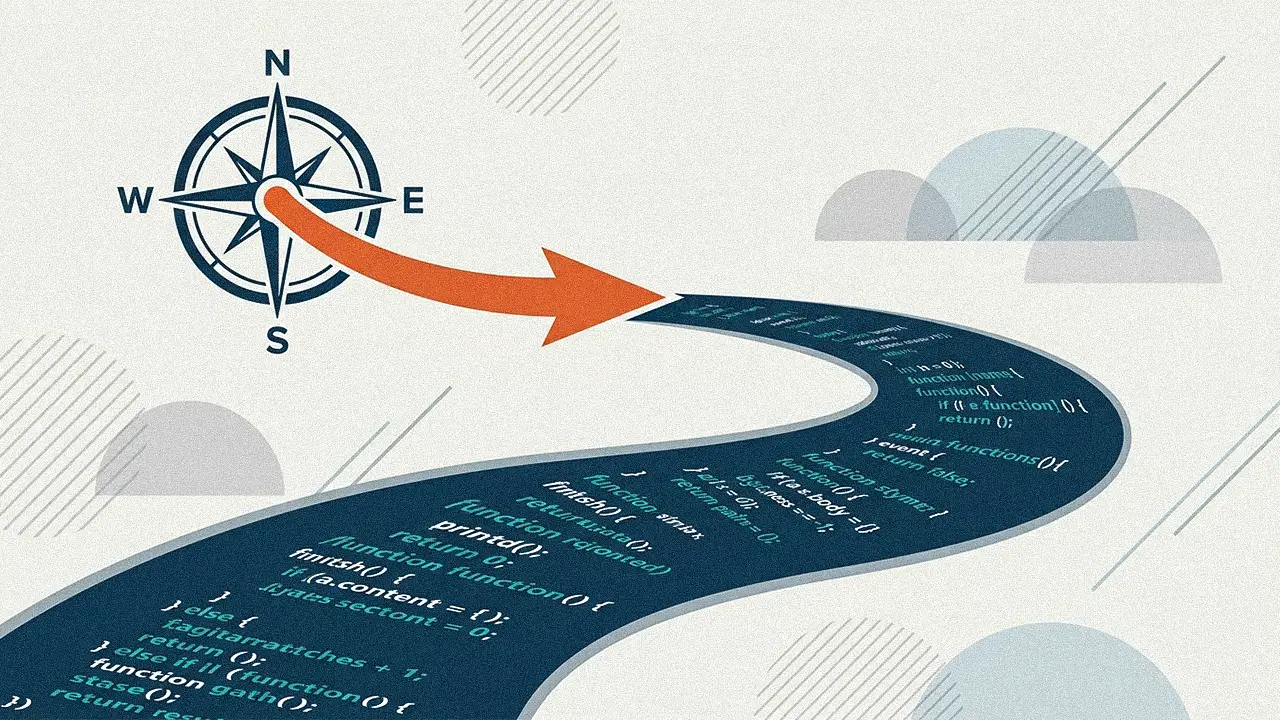
Guardrails, not gates: "In the old days, we would almost act as a gatekeeper," said Hall. "Now it happens so quickly that what you really want is to establish guardrails that provide a safe highway for the business. You let them drive their own cars, while you ensure the right safety guardrails are in place." The goal is not to block adoption but to ensure every new tool fits within a broader ecosystem the organization can sustain.
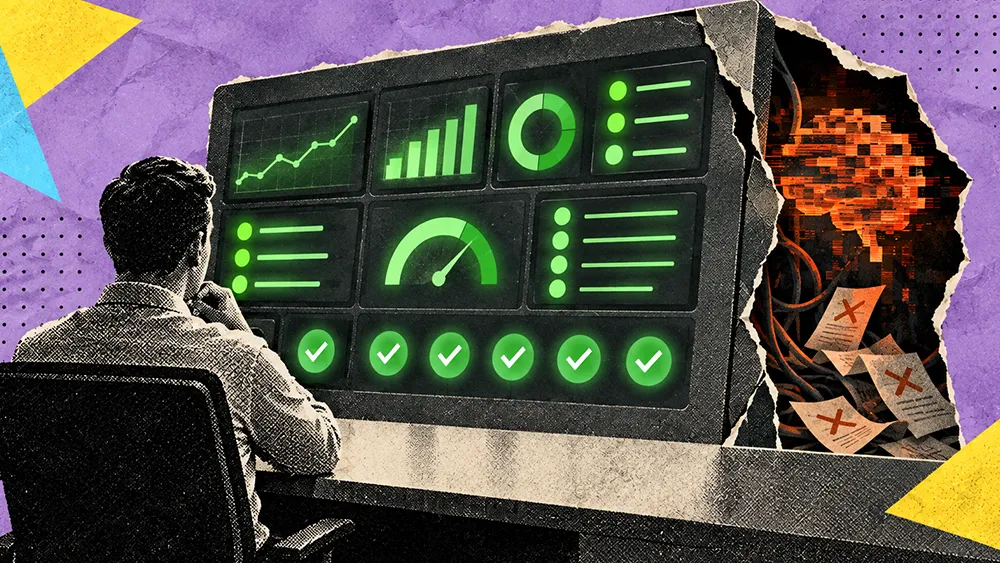
But building that ecosystem may require a credibility shift, as IT is viewed primarily as the "department of no" in many organizations. Technology teams see themselves as protectors, while business leaders see them as obstacles to competitive advantage. That tension now plays out as shadow AI. A department bypasses standard procedures and adopts a $15-a-month service to automate a workflow, and the purchase slips past risk evaluations before IT knows it exists. For CIOs, the challenge is no longer controlling access. It is defining how to measure risk and value across a technology landscape the organization does not fully control.
Outcomes over output: "You can no longer be just results-oriented. You've got to be outcome-oriented," stated Hall. "How do you do that? The challenge is no longer innovation. The challenge is governance at the speed of innovation." That reframing shifts evaluation criteria from whether a tool works to whether it contributes to a result the business can measure and sustain.
Tick-tock tech debt: "Velocity becomes dangerous when it creates complexity. The role of the CIO is to look at any investment, from a major CapEx to a $15-a-month subscription, evaluate the risk, and inform the business in language they understand," said Hall. Left unchecked, today's quick fix becomes tomorrow's integration problem, and the business loses its ability to pivot when markets shift.
Governance only works when it fits the industry. The data requirements for a tool that accelerates a law firm's billing look nothing like those for a manufacturing company. Before any adoption, CIOs must ask: where is the data going, how does it integrate, and what happens if the vendor disappears? Skip those questions and the organization ends up with its data held hostage, no exit strategy, and no leverage. The skill is translating that risk into financial terms executives can act on. That translation is what moves CIOs from advisory role to operational partner.
Show me the money: "They don't want to hear the technical terms of what can go wrong. They want to hear how a disruption impacts their business processes, or how a technical bottleneck prevents the business from getting invoices out the door and maintaining healthy cash flow," added Hall. The discipline is framing every technology decision in terms of revenue, risk, or client experience.
Off the bench: As CIOs build that communication muscle, their role evolves. Instead of standing apart as a separate function, technology leaders are now woven into day-to-day operations. Boardroom conversations land when technology is framed around business agility rather than digital transformation buzzwords. "We've moved beyond the era of IT alignment. Where IT aligned with the business, now it's embedded in the business," said Hall. "And it's not just sitting alongside. It's now part of how they operate."
For Hall, architecting safe velocity starts with asking a different question. Instead of evaluating technology on its features, she recommended starting with the business outcome: client experience, operational efficiency, or speed to revenue. That reframe is what earns credibility at the board level. The goal is not to be the smartest technical person in the room. It is to understand business strategy through the lens of technology and help leadership pivot faster with less risk. "Your role is that you want your technology to become a multiplier of the business strategy, not a distraction. But you need to be prepared to give examples of how a decision made today can be manifested into a distraction or a roadblock tomorrow," concluded Hall.

If this caught your attention, that’s not accidental.

The best editorial systems don’t happen by accident. Outlever builds them.