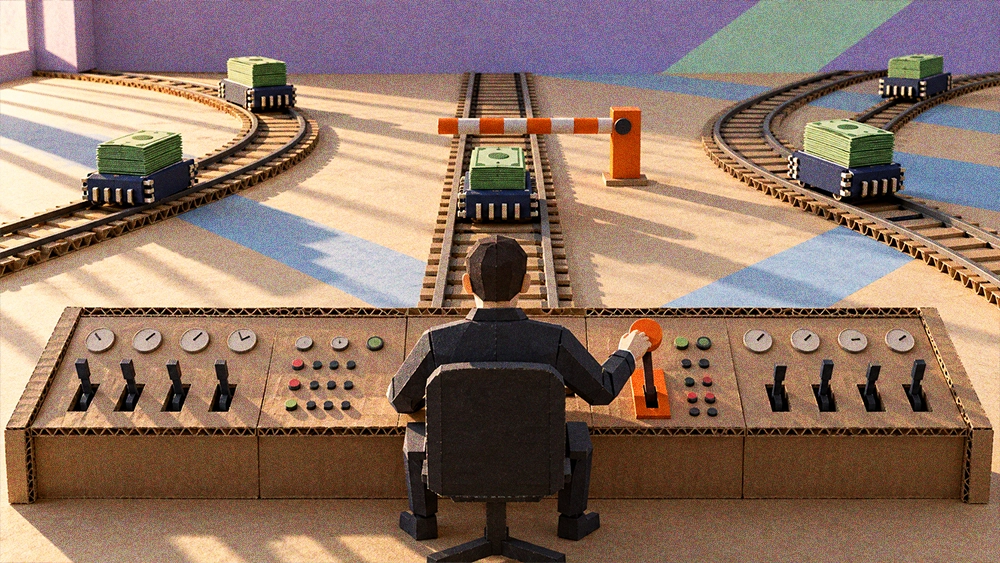
How Samsara’s CIO Avoids The ‘Death Knell’ And Keeps IT Agile With AI-Powered Orchestration
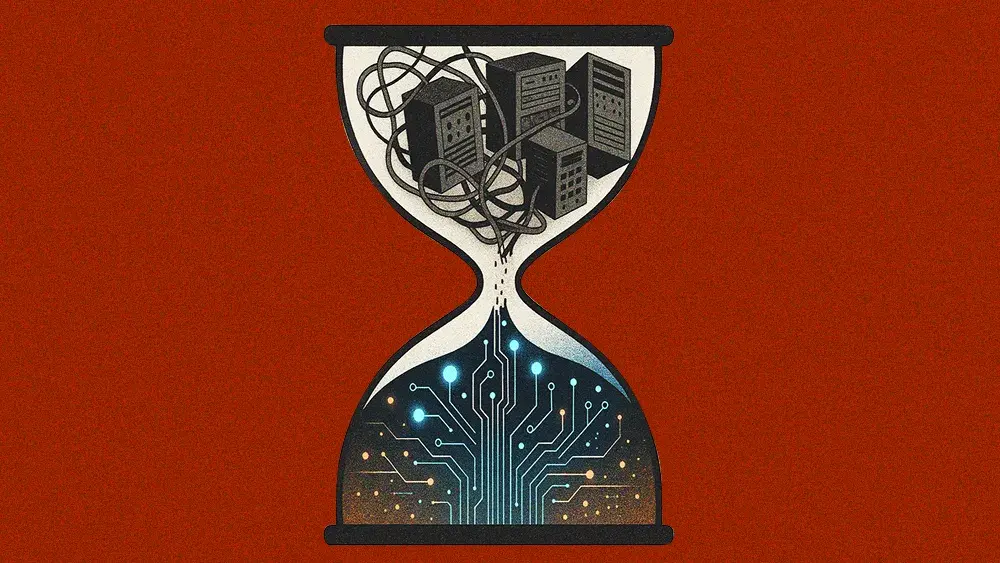
“The whole goal for a CIO is to move at the rate and pace and change with what's going on in the organization.”

While some organizations struggle to adopt AI, others are trying to meet insatiable demand for the most powerful tooling. But in many cases, legacy infrastructure is keeping Chief Information Officers from delivering a technology environment capable of moving with the same agility as the business.
That was the case at Samsara. The company’s Internet-enabled devices help enterprises with everything from keeping their field workers safe, to sustaining specific temperatures in their storage facilities. Last year, Samsara gathered 14 trillion data points across 20,000 customers – and that number is doubling every year.
- “Samsara is really a big data company,” CIO Stephen Franchetti told TheCube at World of Workato 2025.
Now, the company is aiming to use AI to help serve up insights to customers from across all their devices to help improve efficiency, sustainability and safety. And Stephen’s job is to mirror those same intelligence and automation capablities internally, using the latest in agentic AI technology.
- It’s “important to create a culture of AI within the organization,” he said. At the same time, companies can’t be “implementing IT projects for IT projects sake. They have to be tied to a business metric,” Stephen added.
- But the legacy systems Samsara was using “couldn’t move at the speed the company [was] moving at, which is the death knell for the CIO,” Stephen said. “The whole goal for a CIO is to move at the rate and pace and change with what's going on in the organization.”
Stephen went hunting for a new platform that would enable that agility. And with the leading foundational LLMs all offering roughly the same reasoning capabilities, he was focused on tackling the bigger challenge: getting AI agents to take action.

If this caught your attention, that’s not accidental.

The best editorial systems don’t happen by accident. Outlever builds them.