Cisco VP Links Process Discipline And Data Readiness To Successful Agentic AI Deployment
As agentic AI moves into execution, Cisco VP Jason Andrews outlined why process standardization has become the real infrastructure behind scalable, trustworthy automation.


Agentic AI succeeds or fails based on the quality and consistency of the processes and data beneath it. As organizations move into action-taking systems, fragmented workflows and informal knowledge stop being inefficiencies and start becoming failure points. For CIOs, data readiness is now an operational priority, because these systems don’t just analyze work. They act on it, forcing a redefinition of infrastructure around how work is structured and governed.
Jason Andrews is Vice President of Strategy and Planning for Engineering Operations at Cisco, where he leads operations for a division of more than 22,000 employees. Before Cisco, he held senior leadership roles at Oracle, where he worked on large-scale cloud operations, program management, and process transformation across global teams. He believes that agentic AI only works when organizations first confront how fragmented workflows, tooling, and data actually behave in practice.
"AI can do amazing work, but only if the underlying data is high-quality and standardized. When everyone works differently, with data siloed in PowerPoints and one-off systems, AI can summarize but it can’t reliably take action," said Andrews. And the fragmentation is widespread. According to Atlassian’s State of Teams report, 56% of workers say the only way to get the information they need is to ask someone or schedule a meeting, even as 89% of executives say their organizations need to move faster than ever.
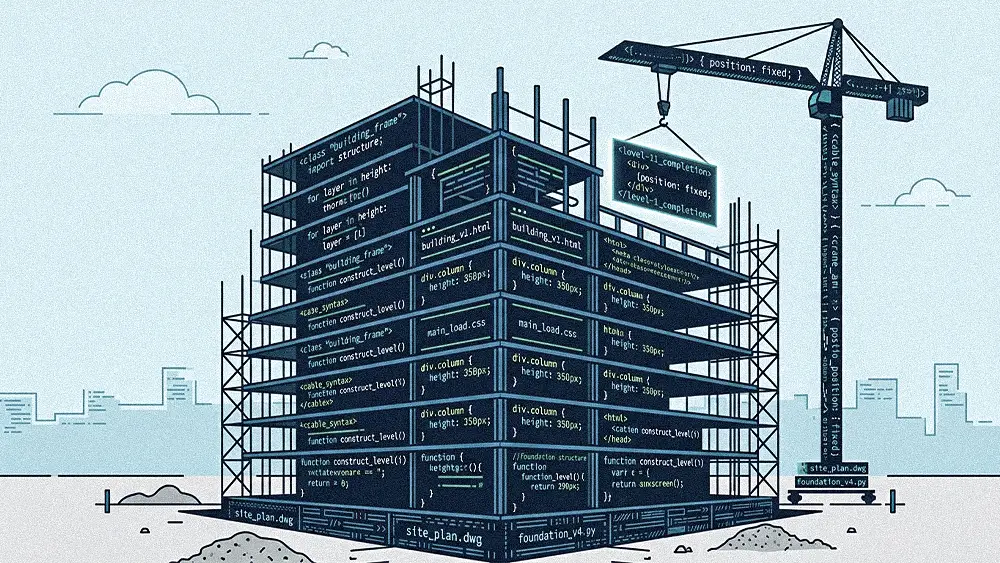
Process as plumbing: The first hurdle is the sprawl of inconsistent human work habits. For Andrews, the solution begins by redefining "infrastructure." He said that the business process itself should be treated as the foundation for AI, requiring the same focus that leaders traditionally give to physical hardware. "The infrastructure that leaders need to focus on is the business process itself. That level of standardization is what allows us to harvest mass amounts of data and effectively use AI to solve problems," he explained. He pointed to his own organization as proof, where a division of 15,000 engineers runs on just six standard workflows, creating the consistency needed to effectively leverage AI.
Building the AI-way: That view predates the current AI cycle. In earlier transformation work, Andrews framed the goal as "building the information highway to enable better data-driven decisions," starting with aligned processes and taxonomy before tools, so that AI has clean, connected information to work from.
In the clouds: Solving this process sprawl requires an architectural shift toward the cloud, said Andrews, because modern AI is built to operate inside shared, connected systems. "Modern AI solutions, including integrations from providers like OpenAI, plug directly into cloud applications. They simply do not plug into on-prem environments," he noted. "By consolidating our tools onto a single cloud platform, I can now integrate our different AI systems together because I have standard workflows that are linked. I've given them both context and allowed those AI agents to function back and forth."

If this caught your attention, that’s not accidental.

The best editorial systems don’t happen by accident. Outlever builds them.