Your Most Expensive Knowledge Gap Is Not The Board's
Scott Smeester argues the costly AI knowledge gap lives between CEO and CIO, not CEO and board, and briefings won't solve it.

"The board's gap is about information arriving late. The CEO's gap is about decisions arriving finished."
BCG published a guide this month to closing the AI knowledge gap between CEOs and their boards. The advice is sound: brief the board often, translate the technical stakes into business terms, and communicate frequently enough that AI decisions are not a big surprise at the quarterly meeting.
I read it the way most CIOs will… nodding at the diagnosis, while noticing what it leaves out. I believe there are two knowledge gaps in play at every company making real AI decisions, not just one. The gap between the CEO and the board is significant. But it is the manageable one. The gap between the CIO and the CEO is the most dangerous and costly. This is the gap we should be talking about.
Researchers are calling this an accountability gap where the CEO claims ownership of AI strategy, but the CIO ends up managing implementation. The numbers are stark: 70% of CEOs say they're the primary driver of AI strategy, while only 16% credit their CIO. But as the role of the CIO is now more important than ever, we must not just label the symptoms, we have to confront the disease. The cause of this disconnect is a decision-rights gap. Until the CEO and CIO agree upfront on which decisions require the CIO’s input before they’re final, AI transformations will stall or fail.
Where the decision-rights gap lives
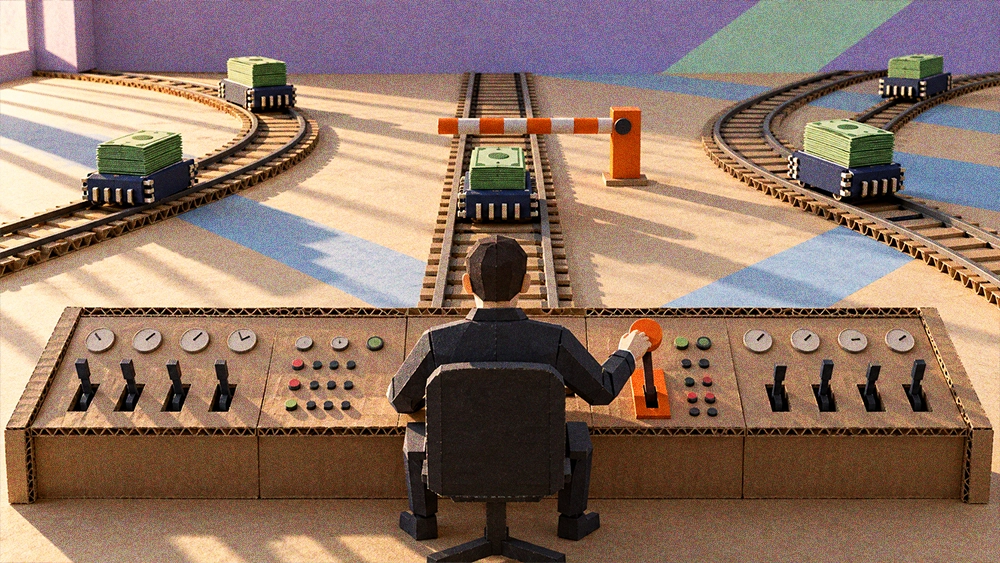
The board's gap is about information arriving late. The CEO's gap is about decisions arriving finished.
Boards ask their questions in scheduled settings. They meet quarterly, sometimes monthly. They get a deck in advance. They have time to prepare, time to ask a follow-up question, time to say, "Come back to us on that." A knowledge gap that lives within a structure like that is uncomfortable, but not dangerous. Structure is what makes a gap manageable. You can build a cadence around it, the way BCG recommends, and the gap will shrink.
The CEO’s relationship with the CIO traditionally has no such structure and is a continuous flow of decisions every day that never reach the format of a briefing at all. Perhaps a tool gets approved but the support model that has to exist underneath it never gets discussed. Or maybe a delivery timeline is set on the strength of a vendor demo, yet nobody in the room weighed it against what the build will require. These are decisions that were already made by the time the CIO found out about them, made by a CEO operating with the information available in the room at the time, which is precisely the room where the CIO's knowledge was not present.
At CIO Mastermind, we have seen this play out directly. In one case, a president effectively replaced an entire dashboard investment with Slack, moving the organization's work there because it solved the immediate need in front of him. Slack was not the wrong tool. But the decision stranded the earlier investment without anyone weighing the financial write-off, the duplicated capability, or the data now fragmented across two systems. Nobody asked what the switch would cost until after it was already in that direction.
Why a briefing does not fix it
The instinct, once you name a knowledge gap, is to solve it the way BCG solves the board's version: more information, better delivered, on a regular schedule. That works when the problem is that someone lacks context going into a decision they know is coming. It does not work when the problem is that the CIO is not in the room when the decision is actually made, and finds out about it as an outcome rather than a question.
You cannot brief your way into a room you were not in. Closing this gap is not an information project. It is a change in how the CEO and the CIO decide together… which decisions require the CIO's input before they are final, not after, and which ones are genuinely fine to make without it. That is a smaller list than most CEOs assume and a harder conversation than most CIOs are used to having, because it means specifically naming the categories of decisions where the current default (CIO informed after the fact) is producing bad outcomes.
What closes the decision-rights gap
In practice, this comes down to a short list, agreed on deliberately rather than discovered after a bad rollout. We advise CEOs and CIOs that the CIO should be at the table before any decision is final if it touches enterprise architecture, security, data, integration, technology capacity, funding, or an investment already underway. That is the whole list. Everything else is genuinely fine to decide without a CIO in the room.
Here is what that conversation actually sounds like.
CEO: "I want the organization to move this work into Slack."
CIO: "Before we finalize that, we need to evaluate what it does to the dashboard investment already made. It could duplicate capabilities, fragment data, and leave part of that investment unused."
CEO: "What are the tradeoffs?"
CIO: "I will outline the financial write-off, the integration and governance implications, and what this displaces. Then we can decide whether the business benefit justifies those costs."
The CIO's job is to make sure the decision gets made with the consequences on the table, not explained afterward. The CEO still makes the call.
BCG is right that boards need better AI literacy. But the gap that is costing us the most is between CIOs and CEOs. We need to agree upfront on which categories of decisions require the CIO’s input before they’re finalized. Without that agreement, costly decisions are at risk of becoming costly mistakes.
Scott Smeester is the founder of CIO Mastermind, which helps CIOs and senior technology leaders with executive alignment, decision-making, and turning technology investment into business value. He started his first technology company in 1995 and has spent the decades since building companies and translating between the executive suite and the IT organization.

If this caught your attention, that’s not accidental.

The best editorial systems don’t happen by accident. Outlever builds them.