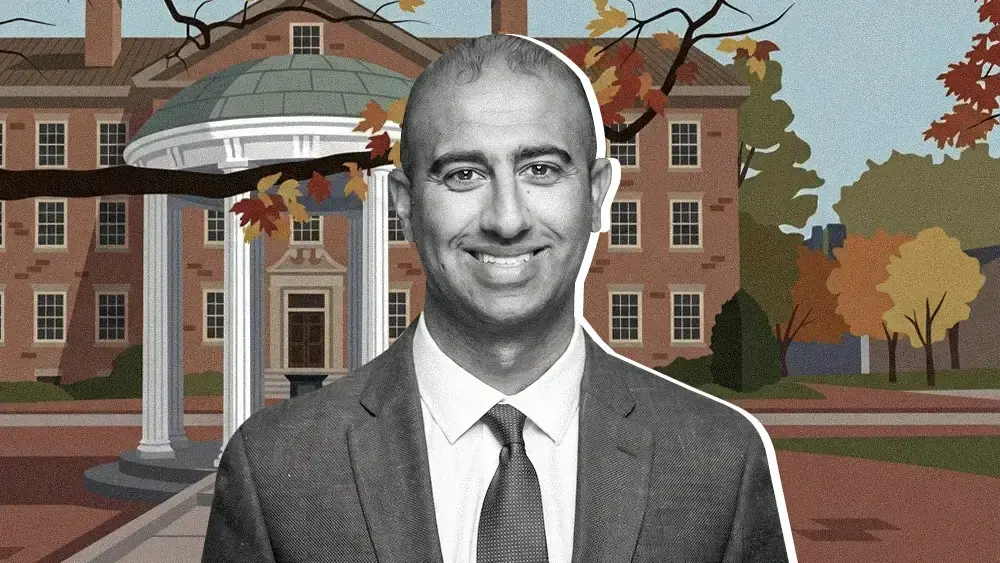
'Data Science And AI Aren’t Silver Bullets’: Kroger’s First Chief Data And AI Officer On Closing The Impact Gap
Milen Mahadevan discussed with CIO News tapping into Kroger’s data treasure trove, moving beyond AI pilots, and why people are the centerpiece to any successful AI strategy.

“It’s easy to create impressive models or experiments, but what truly matters is impact — how these capabilities are used to drive meaningful business outcomes."

Chief Data and AI Officers are emerging as central figures in the race to turn potentially decades of rich operational and customer information into business impact.
Earlier this month, Kroger named Milen Mahadevan, currently president and CEO of its 84.51° subsidiary, as also the company’s first CDAO. The move comes as Kroger shifts its strategy from standalone AI tools, to building foundational capabilities that orchestrate work, improve decision making, and create more connected experiences. Over the past year, Kroger expanded use of its AI-powered digital shopping assistant, rolled out Sage, an internal AI virtual assistant used by over 150,000 associates, and launched collaborations with leading AI labs.
As CDAO, Milen oversees all of Kroger’s data and AI teams, and works closely with business leaders from merchandising, supply chain, marketing, store, and eCommerce operations to instill more focus and accountability across the company’s AI investments.
“AI is no longer experimental, but central to how we operate, scale impact, and create value,” Milen told CIO News. It’s “an opportunity to connect Kroger’s unique data assets, our science and technology capabilities, and our operating model in a way that can reshape how we work and how we serve customers.”
A chemical engineer by training, Milen parlayed his strong background in math, physics, and problem-solving into a career in the technology industry. His journey began at dunnhumby, a customer data science and analytics provider that, at the time, was partnering closely with Kroger on a joint venture. Over a nearly 15-year career, Milen had a role in data science and engineering, application development, and client engagement. The experience ended up changing his philosophy around data and AI, and would ultimately lead him to his current role.
“It’s easy to create impressive models or experiments, but what truly matters is impact — how these capabilities are used to drive meaningful business outcomes,” Milen said.
In 2015, dunnhumby USA became 84.51°, a wholly owned subsidiary of The Kroger Co., focused on embedding data science deeply within the company's business lines. Milen rose through the ranks, eventually becoming president and CEO. Now, with CDAO added to his title, Milen is helping Kroger fortify itself amid the ongoing AI revolution.
“Data science and AI aren’t silver bullets; they have to get under the skin of the real problem trying to be solved,” Milen said. “I've seen the power of Kroger's data from every angle: how it fuels insights for our collaborators, personalizes the customer experience, and is already driving results that allow us to be more competitive, improve shrink, deliver faster fulfillment and amplify the talents of our associates.”
We connected with Milen to discuss tapping into Kroger’s data treasure trove, moving beyond AI pilots, and why people are the centerpiece to any successful AI strategy.
The data advantage
With a long history in data science and analytics, Kroger isn’t starting the AI race from behind.
As third-party signals became less reliable over the last few years, 84.51° turned its attention to transforming Kroger’s proprietary, first-party data into actionable intelligence and growth — work that now serves as the foundation for its AI efforts. And with online sales a $16 billion business and growing quarter-over-quarter, it’s more data, more impressions, and ultimately more value for Milen and his team to deliver to Kroger and its partners.

If this caught your attention, that’s not accidental.

The best editorial systems don’t happen by accident. Outlever builds them.